Weaving in Myanmar: A Tradition in Every Thread
A woven cloth catches the eye through its colours, but a closer look reveals the work behind them — threads crossing in careful rows, forming patterns through small, repeated movements.
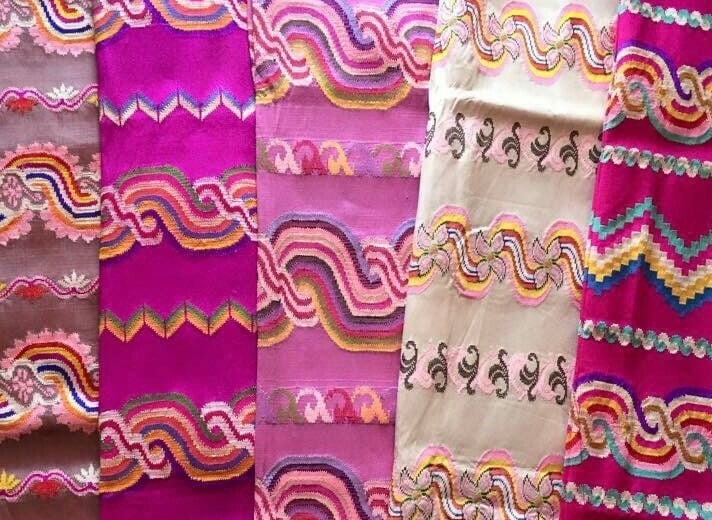
A woven cloth catches the eye through its colours, but a closer look reveals the work behind them. Threads cross in careful rows, forming curves and patterns through small, repeated movements. In Myanmar, weaving brings together skill, beauty and the traditions of the people who make and wear the cloth.
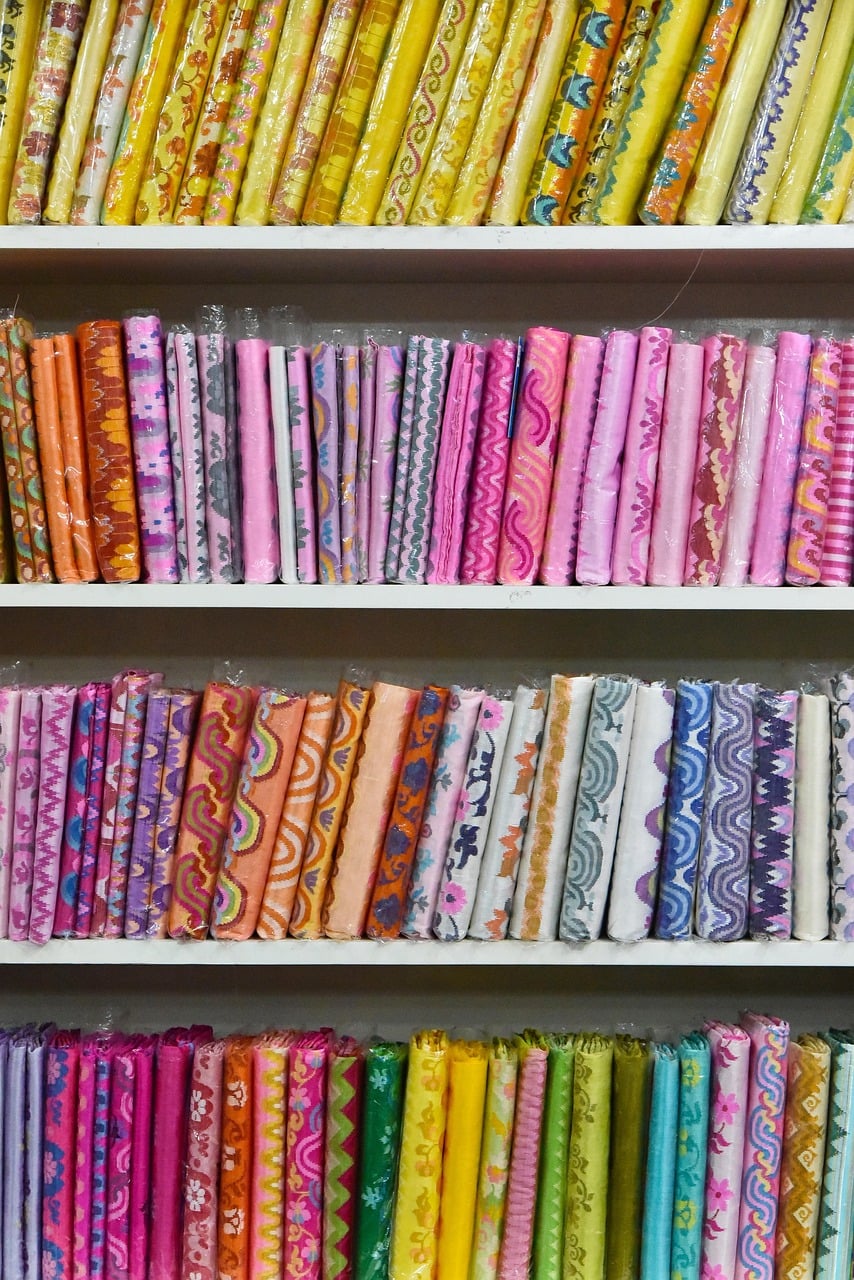
The flowing patterns of acheik
Among Myanmar’s distinctive textiles is acheik (အချိတ်), recognised by its intricate waves running across the fabric. Closely associated with Amarapura, near Mandalay, acheik became prominent during the Konbaung dynasty, when its use was regulated by royal dress rules.
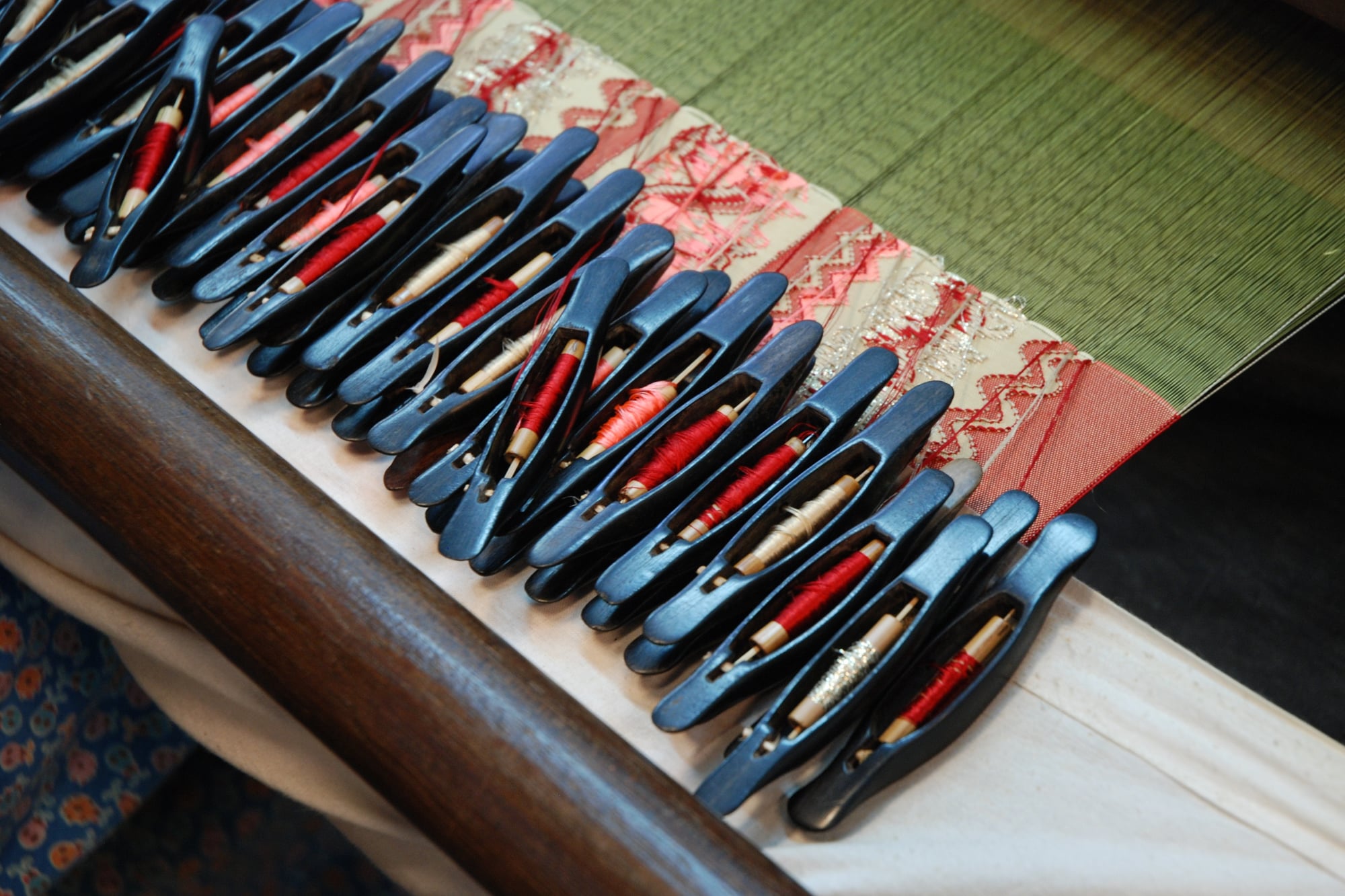
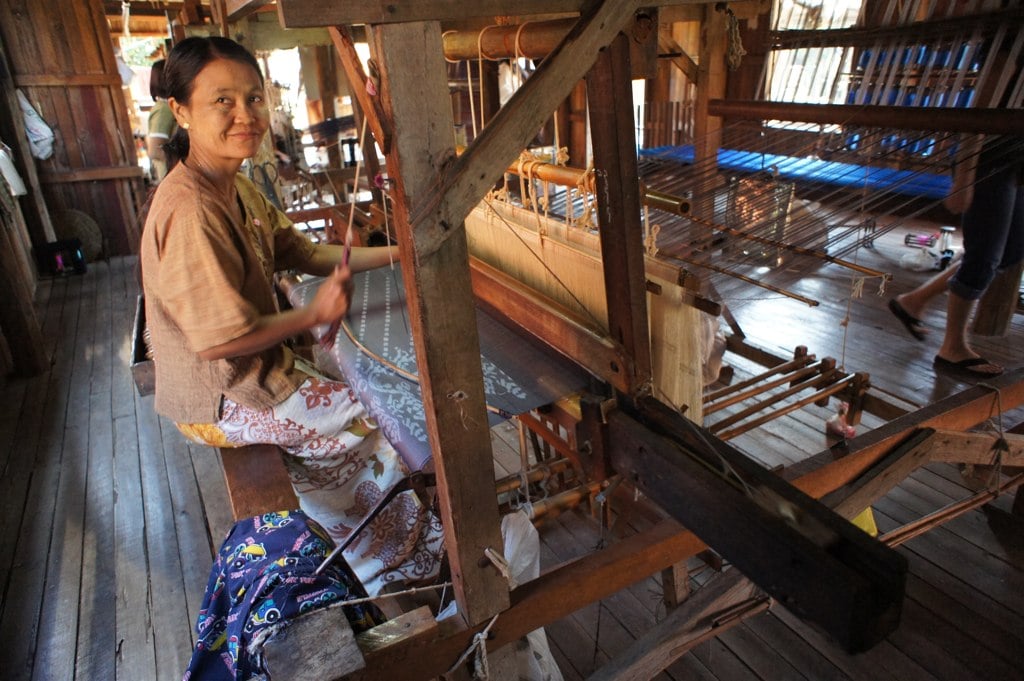
Traditional luntaya acheik weaving is especially demanding. Luntaya means “a hundred shuttles”, referring to the many small shuttles used to weave different colours into the design. Complex pieces can require between 50 and 200 shuttles, with weavers working together to form the detailed patterns. The waves that seem to flow so naturally across the finished cloth are carefully built, thread by thread.
Lotus threads from Inle Lake
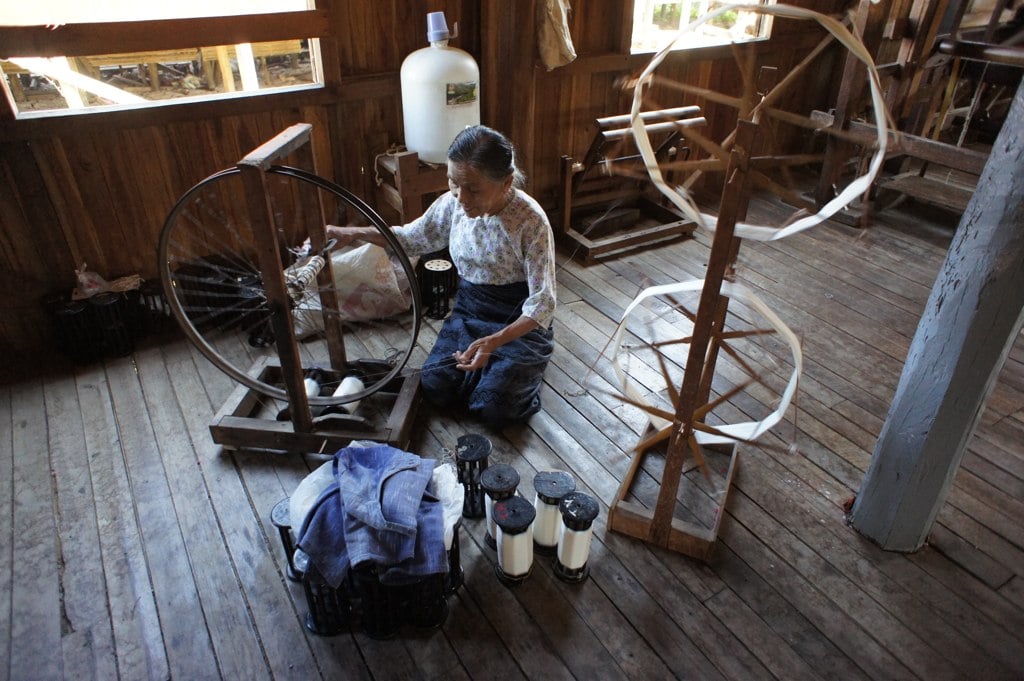
Around Inle Lake in Shan State, another weaving tradition begins with the lotus plant. Fine fibres taken from its stems are made into thread and woven into cloth. Often called “lotus silk”, this fabric comes from a plant rather than silkworms.
The craft’s beginnings are attributed to an Intha woman named Sa Oo, who wove a lotus-fibre robe as an offering to a local abbot in the early 1900s. This connection with Buddhist offerings remains part of its story, alongside its later use in scarves and other clothing. Extracting and weaving the delicate fibres requires considerable time and patient hands.
The care behind the cloth
Acheik and lotus weaving offer two different glimpses into Myanmar’s textile traditions. One draws the eye with flowing patterns and colour; the other begins with fine fibres hidden inside a stem.
Both invite people to look beyond the finished fabric and notice the makers. Behind each carefully woven piece are decisions, repeated movements and hours of attention. That human care is part of what makes the cloth worth remembering.