
Inle Lake: Where Life Moves with the Water
A fisherman balances at the end of a narrow boat, one leg wrapped around an oar, the Shan hills rising behind him. It is one of Myanmar's most familiar images, but there is much more to Inle than this single graceful moment.
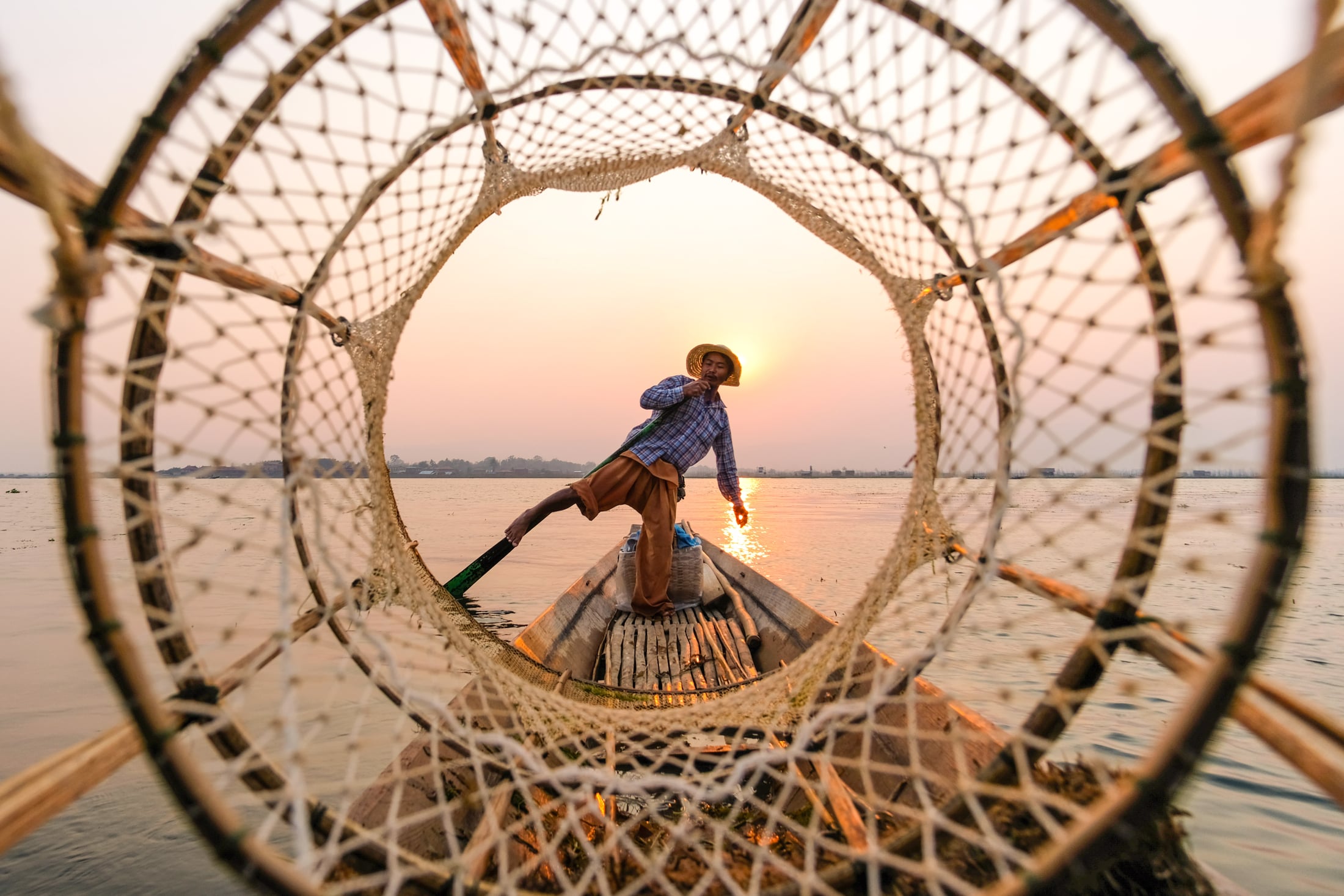
A fisherman balances at the end of a narrow boat, one leg wrapped around an oar. Behind him, the Shan hills rise above the water. It is one of Myanmar’s most familiar images, but there is much more to Inle than this single graceful moment.
Here, water shapes the ordinary things: how people reach their neighbours, grow vegetables, earn a living and celebrate together. Looking closer means discovering a place where beauty and daily work share the same landscape.
A lake with a long memory
Inle Lake, also written as Inlay, lies in southern Shan State, around 884 metres above sea level. According to UNESCO, it formed more than 1.5 million years ago and survives from a much larger system of lakes. In 2015, the area became part of UNESCO’s World Network of Biosphere Reserves, recognising its natural environment and the communities whose lives are closely connected to it.
Among these communities are the Intha, whose name is often translated as “sons of the lake.” Their origins remain debated. One tradition traces their ancestors to southern Myanmar, but the details of their arrival should be understood as an origin story rather than settled history. Over generations, they developed distinctive ways of living and working on the water.
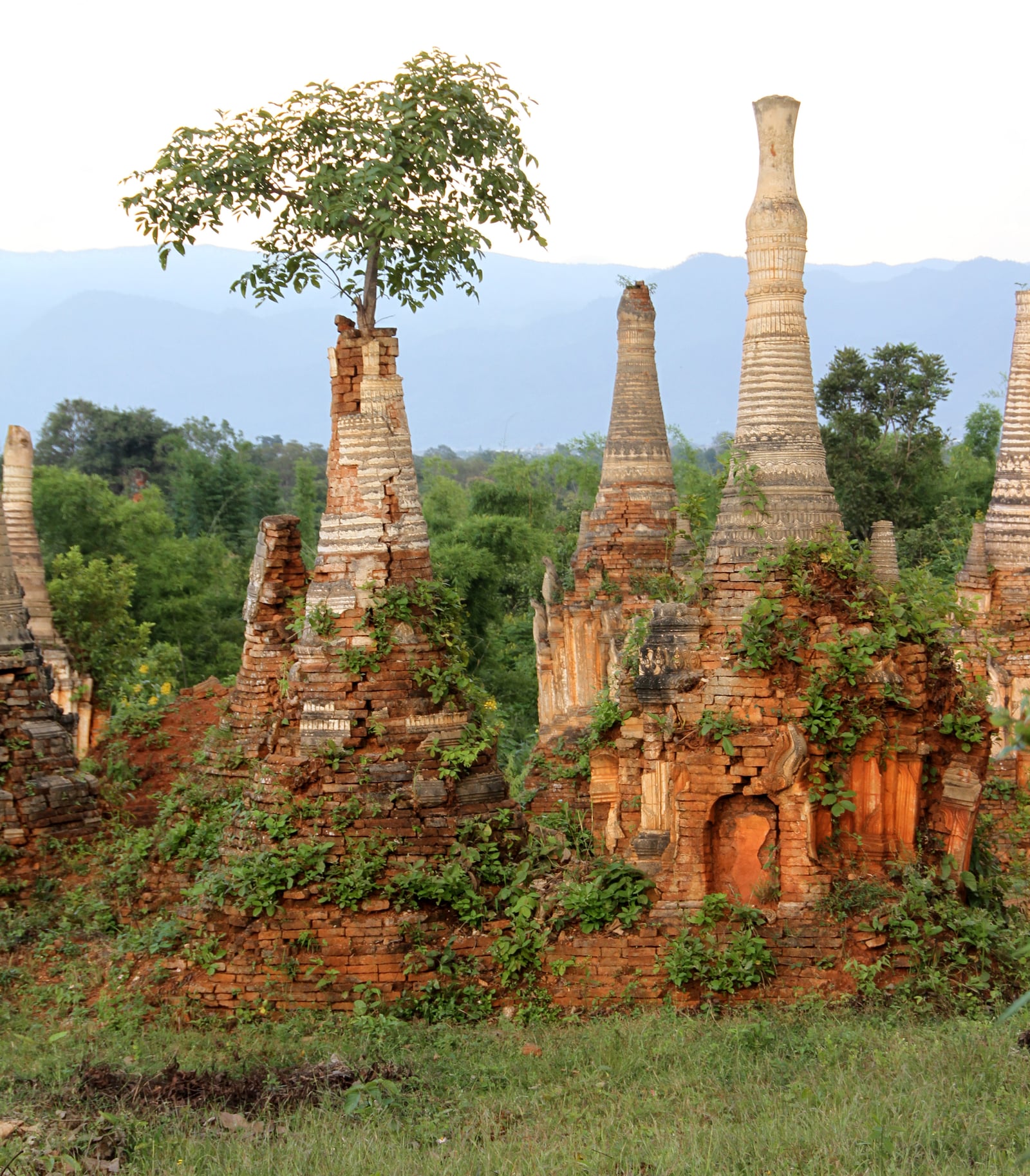
The wider region is also home to Shan, Pa-O and Danu communities. Its history can be glimpsed in the religious sites around the lake, including Indein, where UNESCO records inscriptions dated to 1785 and architectural connections with Bagan traditions.
The skill behind the familiar photograph
Intha leg-rowing takes balance, strength and practice. Standing at the stern allows a fisherman to see over reeds and floating vegetation, while one leg works the oar. What looks almost like a dance has a practical purpose, shaped by the conditions of the lake.
That same ingenuity appears in the floating gardens. Farmers build beds from aquatic vegetation and anchor them with bamboo poles, growing tomatoes and other produce above the water. The beds rise and fall with changing water levels. Between them, narrow channels allow farmers to tend their crops by boat.
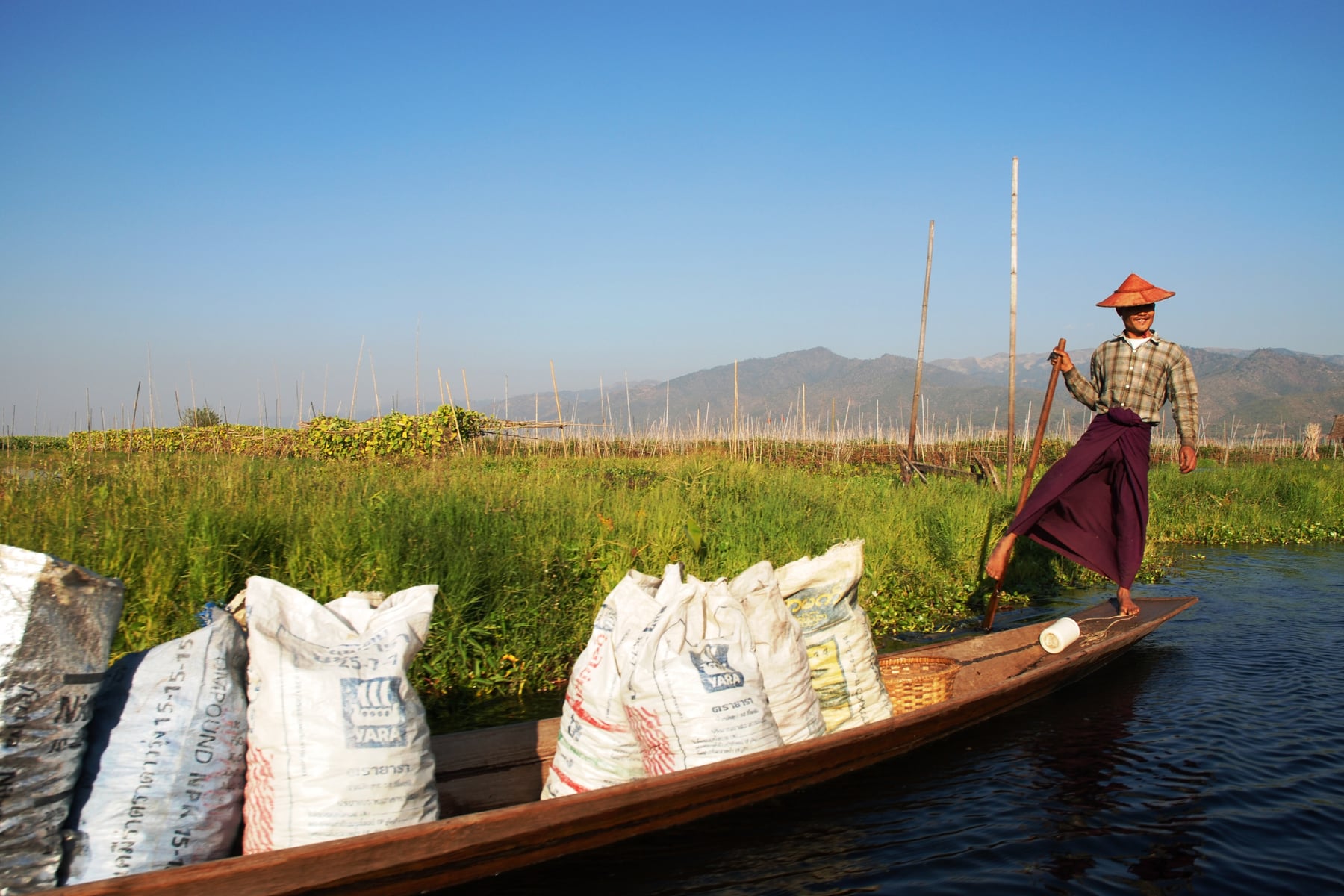
A vegetable garden reached by boat may seem unusual to an outsider. For the families tending it, it is a workplace, a source of food and knowledge learned through experience.
Markets, weaving and local customs
The region’s traditional five-day market cycle brings trade to different locations in turn. These markets connect lakeside settlements with surrounding communities, creating places to buy produce, sell goods and catch up with familiar faces.
Inle is also known for weaving, particularly silk textiles and cloth made from lotus fibres. Lotus weaving originated around the lake, turning a plant associated with Buddhist devotion into fabric used for religious offerings and, later, other garments. A finished piece holds hours of careful handwork that are easy to overlook at first glance.
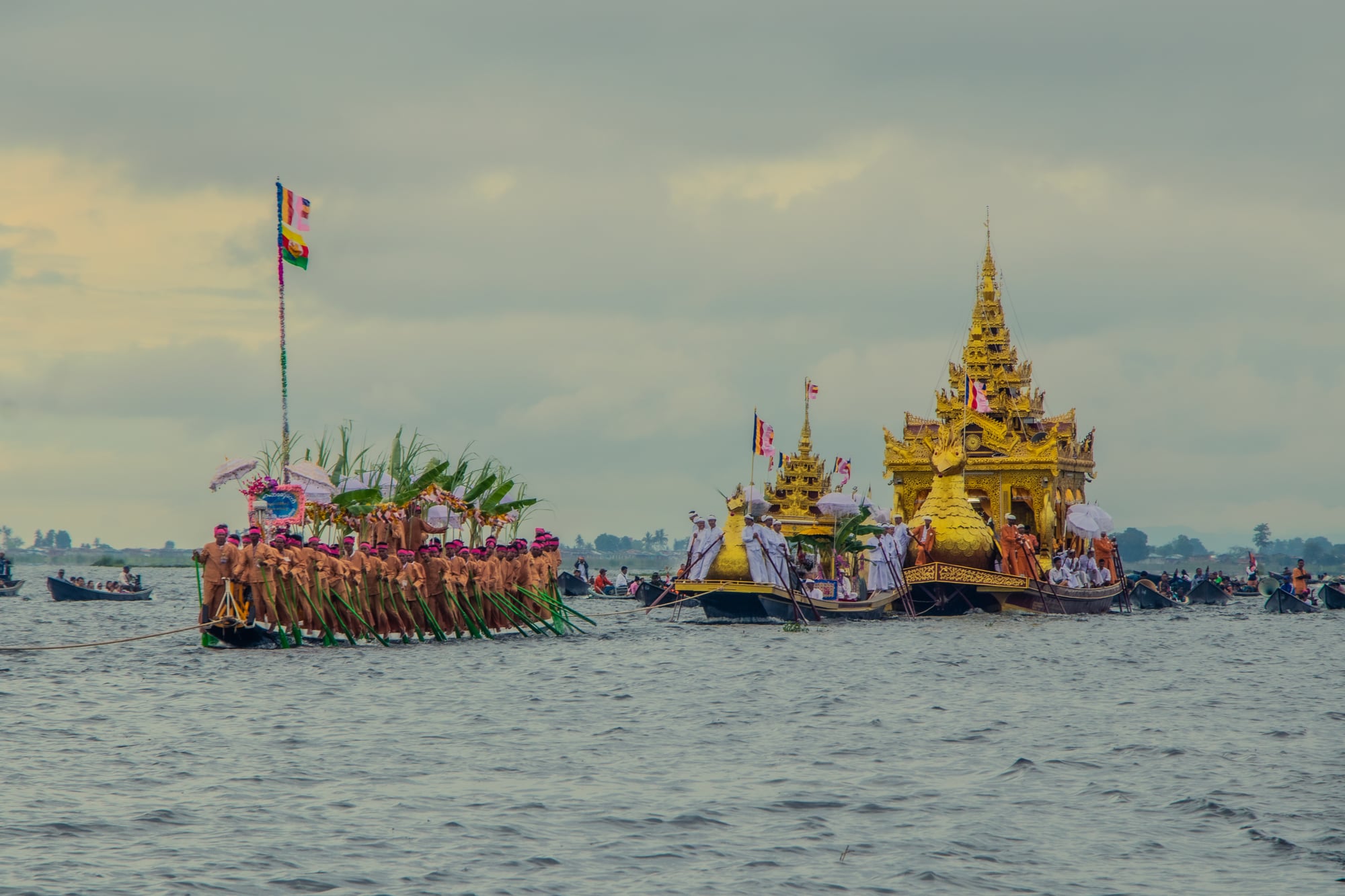
One of the most significant shared traditions is the Phaung Daw Oo Pagoda Festival. During the procession, four revered Buddha images travel between lakeside villages on an ornate golden barge. Boats of Intha leg-rowers accompany it, while boat races bring another kind of excitement to the water. For local communities, the festival is an occasion for worship, participation and gathering across villages.
Inle today: beauty alongside uncertainty
Recent years have brought overlapping difficulties. Reporting from September 2025 described livelihoods weakened by the pandemic and economic hardship, flooding in 2024, and damage to stilt houses during the earthquake of 28 March 2025. Residents were repairing homes, although shortages of skilled craftspeople complicated the work. The festival returned in 2025, with local people continuing to participate despite financial hardship. That account captures a community working to recover; it does not establish how far recovery has progressed since.
The lake also faces longstanding environmental pressures, including sediment building up in the water, pollution and invasive plants. These affect the same waters that support farming, fishing and everyday movement. Caring for Inle means caring for both its ecosystem and the people who depend on it.
The hills and open water may first catch a reader’s attention. But the deeper interest lies in the lives built between them: the skill of a rower, the work behind a floating garden, the patience of a weaver and the effort of families repairing their homes. These are the stories that give Inle its place in Myanmar’s living heritage.