Pyin Oo Lwin: The Flower City in the Highlands
At a higher elevation, where the air is cooler and the pace feels gentler, Pyin Oo Lwin has long stood apart from the plains below — a colonial hill station turned flower town, still shaped by both histories.
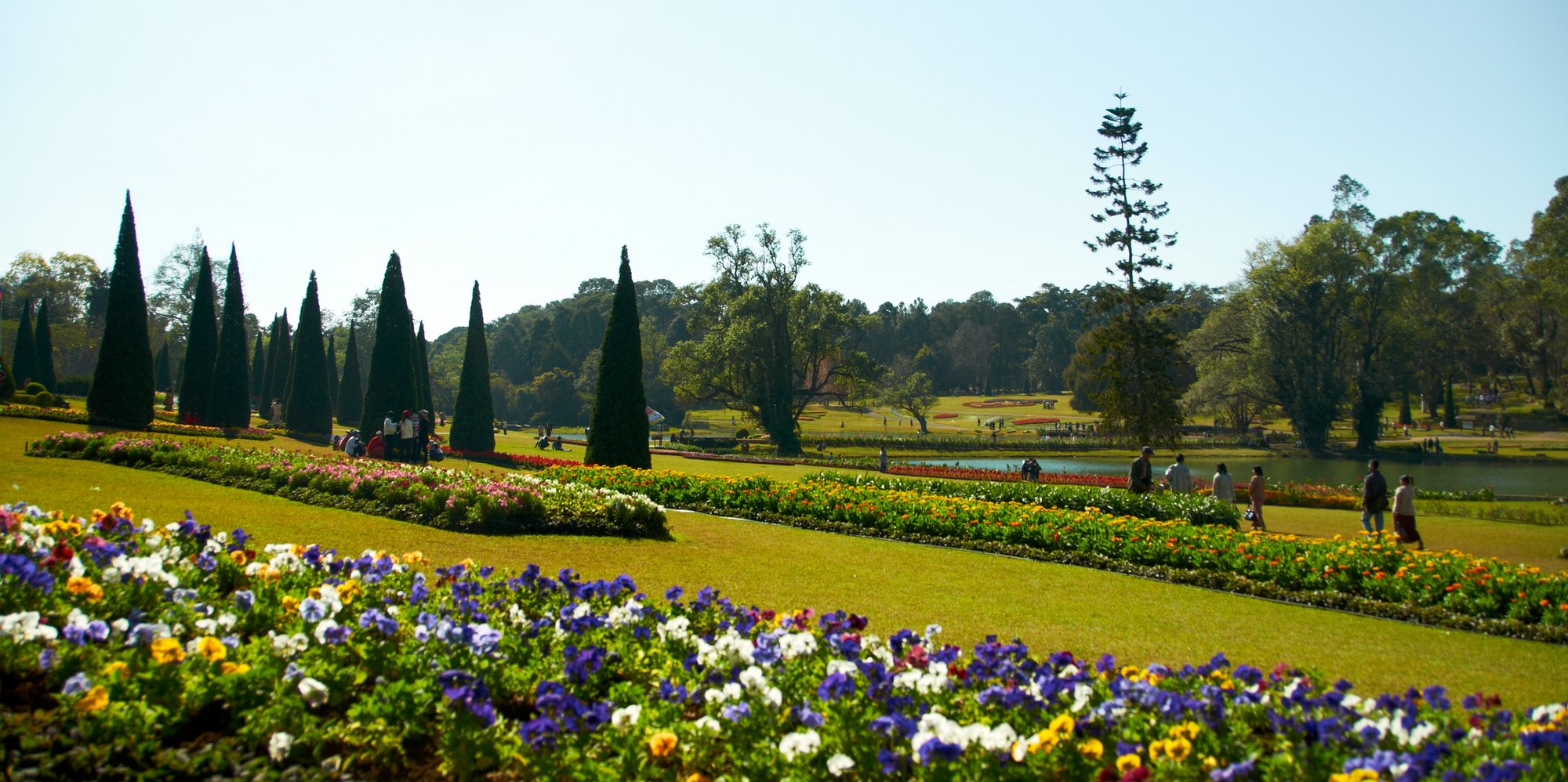
At a higher elevation, where the air is cooler and the pace feels gentler, Pyin Oo Lwin has long stood apart from the plains below. Its tree-lined streets, old houses and changing gardens have made it one of Myanmar’s most beautiful towns. Often called Pan Myo Daw, or the “City of Flowers,” it is a place where blooms are part of daily life as well as the town’s history.
From Pyin Oo to Maymyo
Before it became a colonial hill station, the area was known as Pyin Oo and Pyin Oo Lwin. In the late nineteenth century, British rule brought a military presence and a new purpose for the town. Its cooler climate made it a summer retreat for British officers and administrators based in Mandalay.
The colonial name Maymyo means “May’s Town.” It was named after British officer Colonel May, whose regiment was stationed in the area from the late 1880s, with a permanent military post founded there in 1897. The name stayed in everyday use for close to a century, until the town was officially renamed Pyin Oo Lwin in 1989, part of a wider renaming of places across the country. Maymyo remains a familiar name in conversation and in the town’s history all the same.
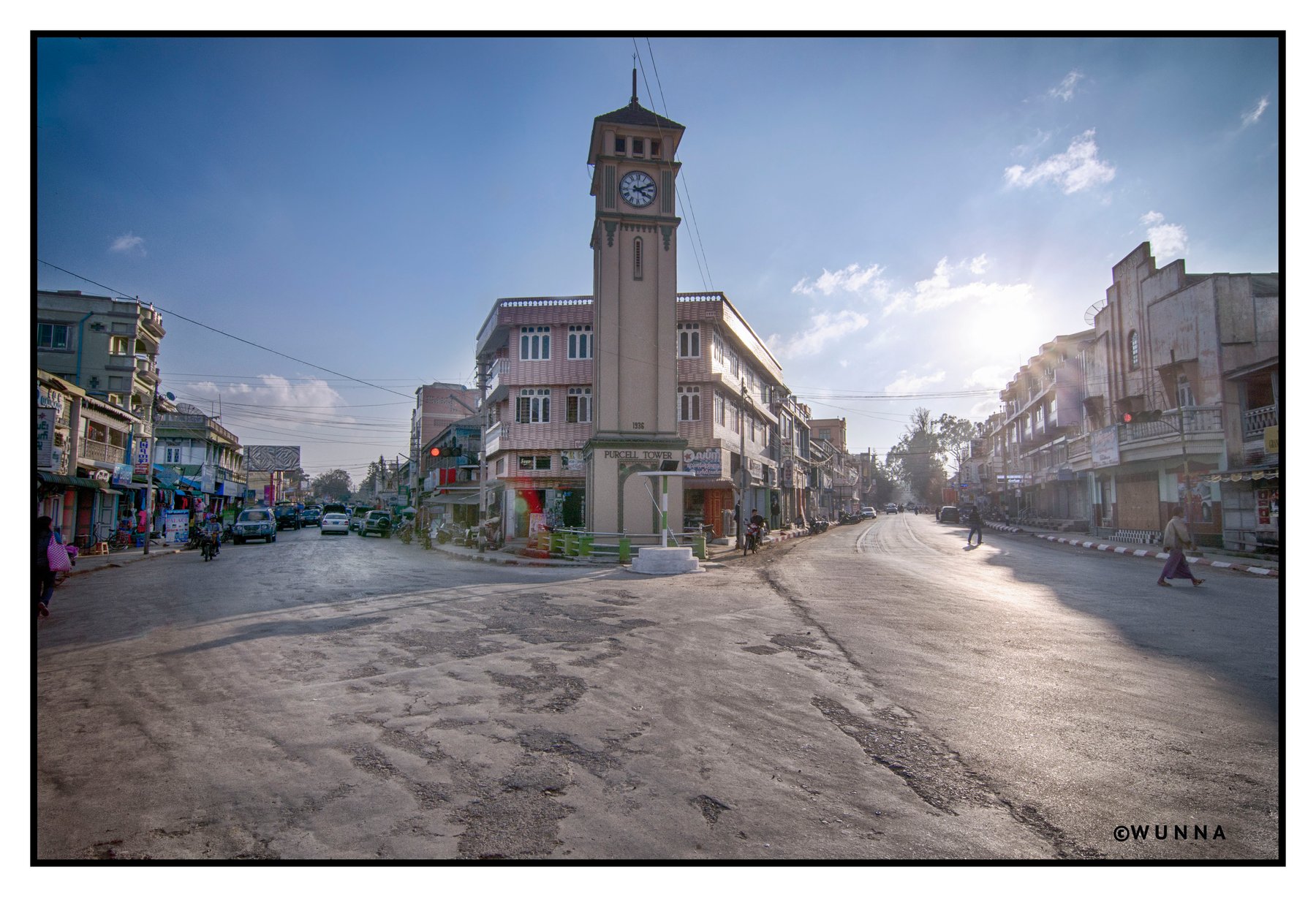
That history is still visible in the town plan and its older buildings. The British laid out streets, planted trees and built homes for the cooler months. Some of those houses, along with churches, the railway station and the Purcell Clock Tower, remain among the town’s landmarks. The colonial buildings are part of Myanmar’s layered past: reminders of a period shaped by foreign rule, as well as structures that have since become part of local life.
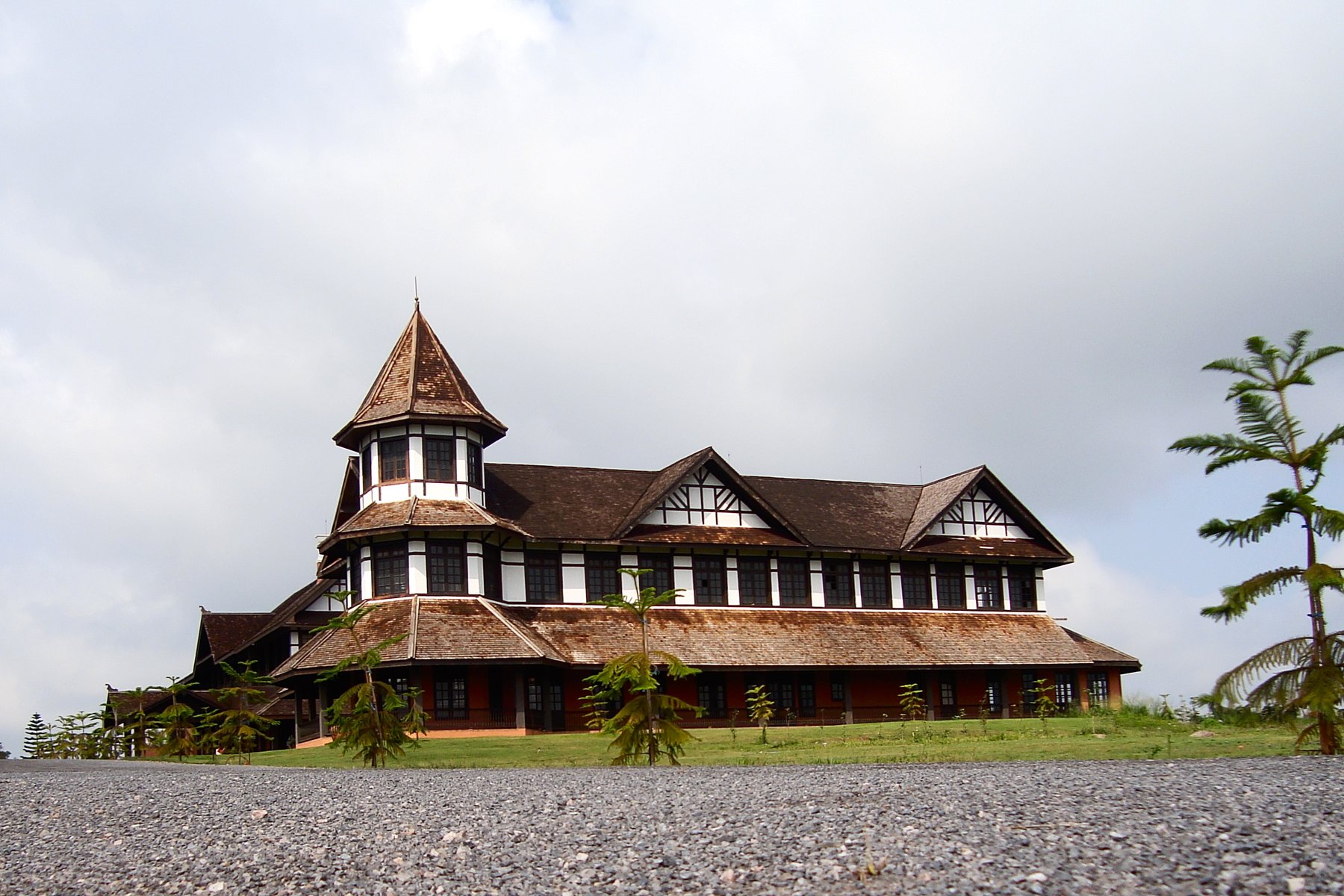
Grander still are the summer residences built for colonial officials. The Governor’s House, a turreted Tudor-style mansion on a hilltop outside town, served as the summer residence of the Governor of British Burma.
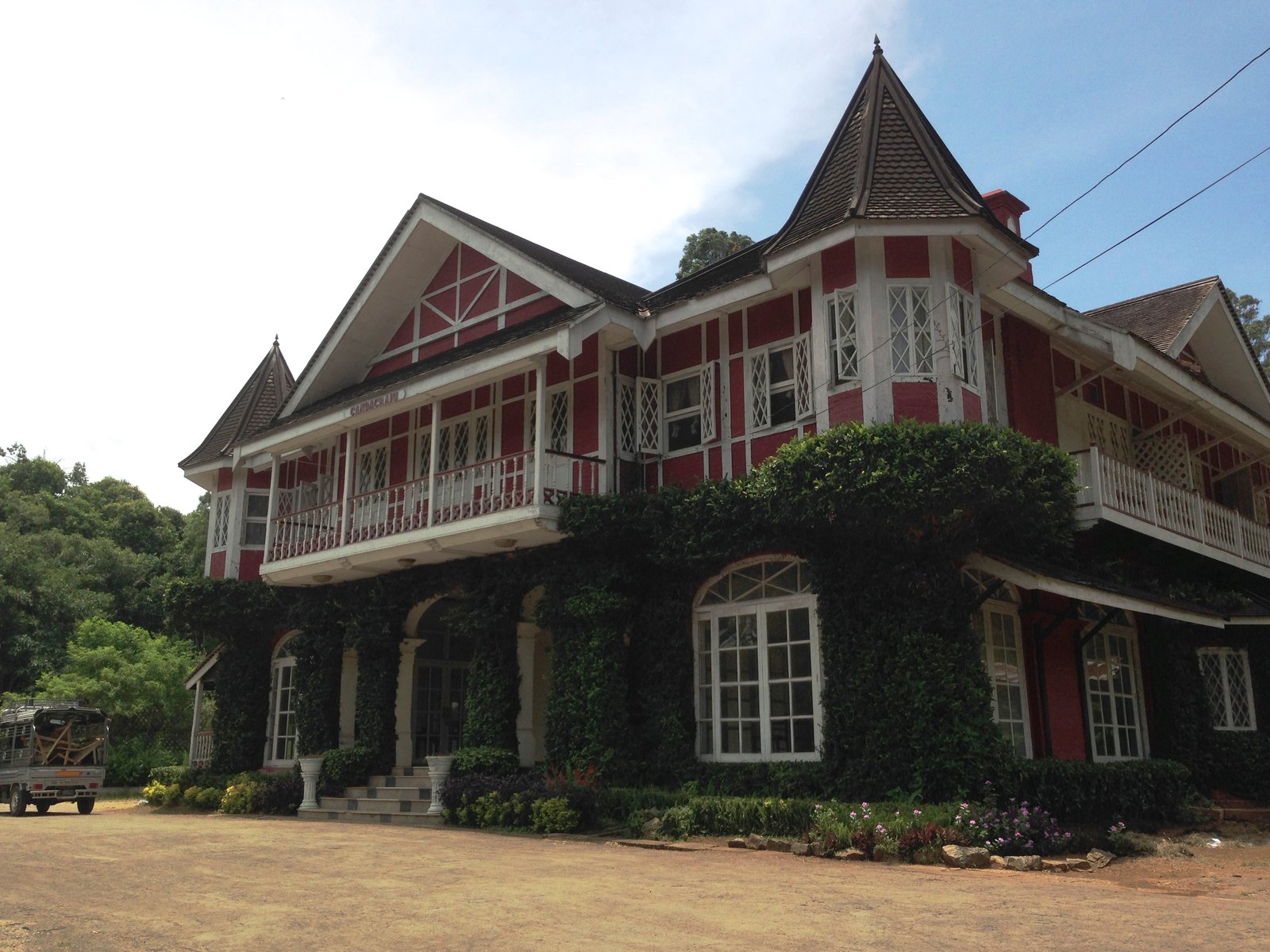
A short distance away stands the Candacraig, built in the early 1900s as a “chummery” — a boarding house for young, unmarried colonial officials. It later became known through travel writer Paul Theroux, who stayed there while researching The Great Railway Bazaar and returned decades afterward for its sequel. Officially renamed the Thiri Myaing Hotel, it is still known locally by its old name; the hotel itself has since closed, though the building remains standing, vines climbing its timber-and-plaster walls.
A town shaped by flowers
Pyin Oo Lwin’s flower identity reaches back to the colonial era. In 1915, the Maymyo Botanical Gardens were established, helping shape the town’s green character. Today, the gardens are known as the National Kandawgyi Garden, with paths through trees, lawns and flowerbeds.
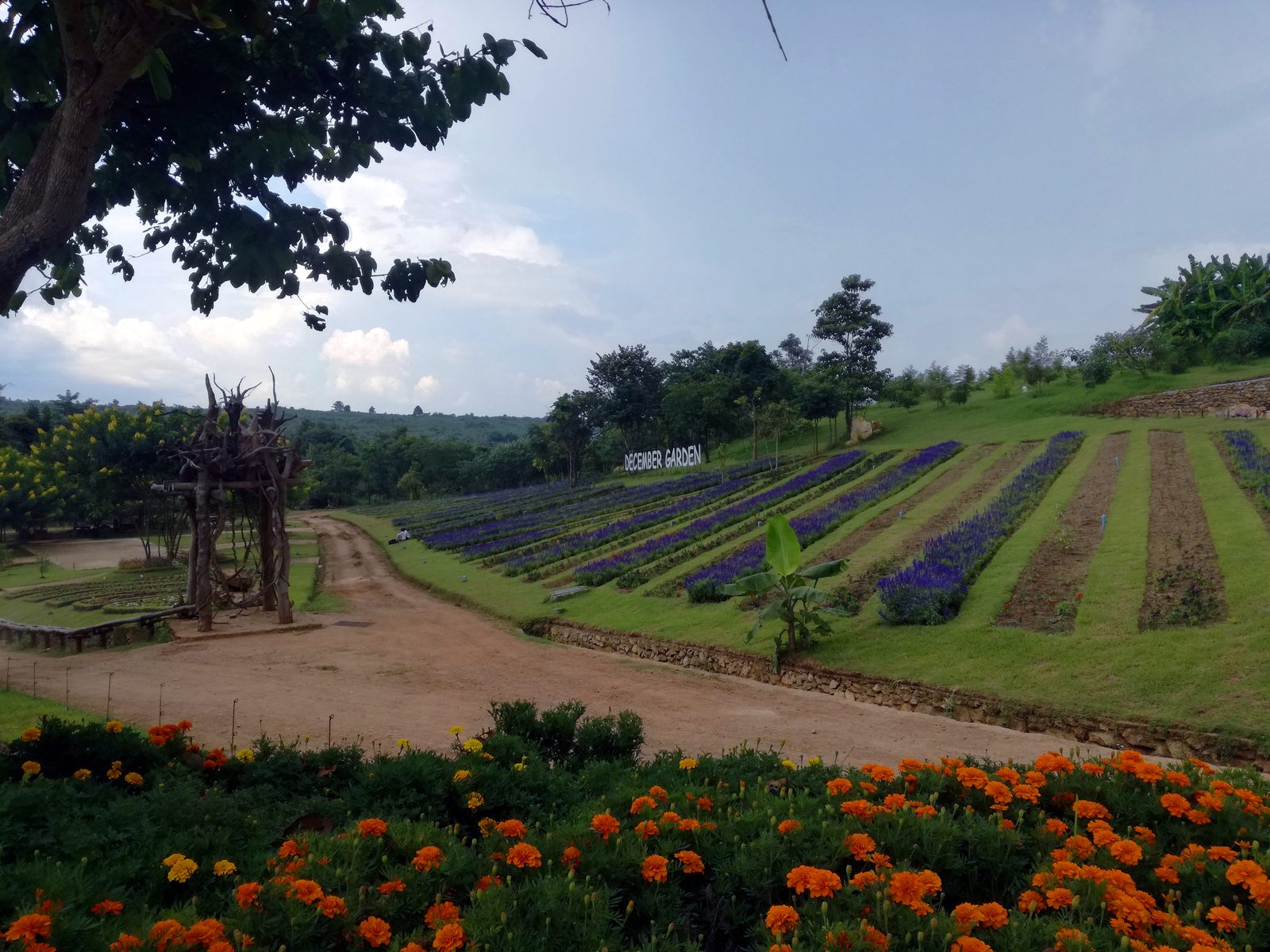
More recent flower gardens have followed. December Garden, a privately run flower farm on the edge of town, draws visitors with long, colour-blocked rows of marigolds, salvia and other seasonal blooms — a newer expression of the same floral identity that shaped the town a century earlier.
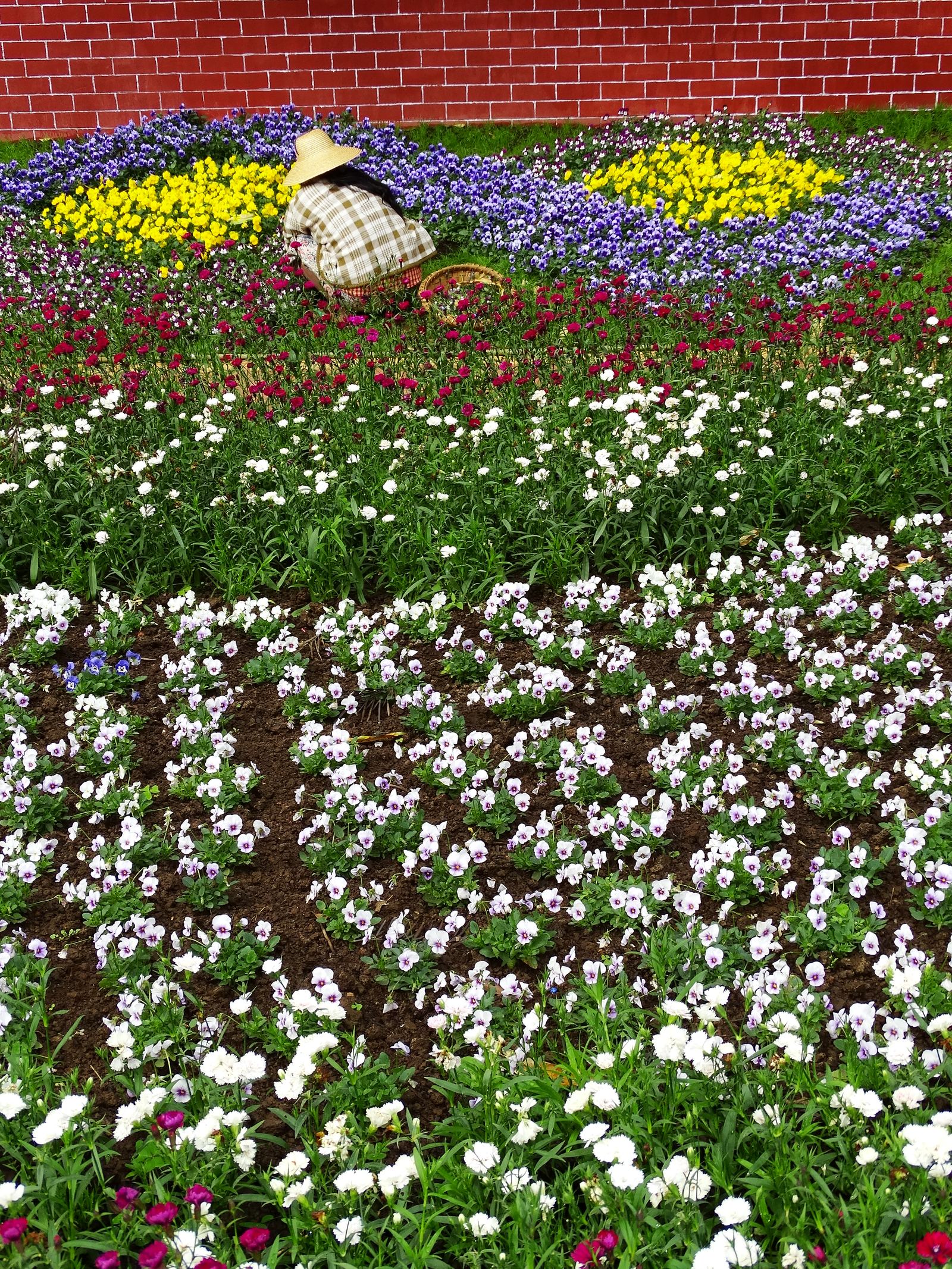
The flowers are not only for visitors to admire. Around the town, people grow flowers alongside strawberries, damsons, vegetables and coffee. The surrounding highland soil and cooler climate support this variety of crops. In the right season, colour spills from gardens and fields into the town’s streets and markets, giving the name “City of Flowers” a meaning rooted in work as much as beauty.
The rhythm of an old hill town
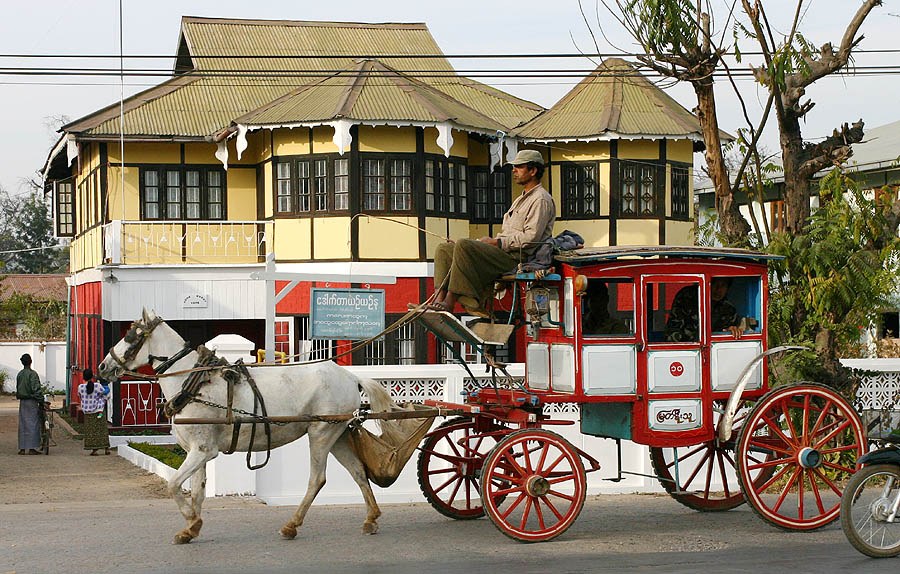
Horse-drawn carriages, often brightly painted and decorated with flowers, are among Pyin Oo Lwin’s most recognisable sights. Their history stretches back to the colonial period, but they remain part of the town’s character today. The clip-clop of hooves along the road offers a slower rhythm beside the movement of cars and motorbikes.
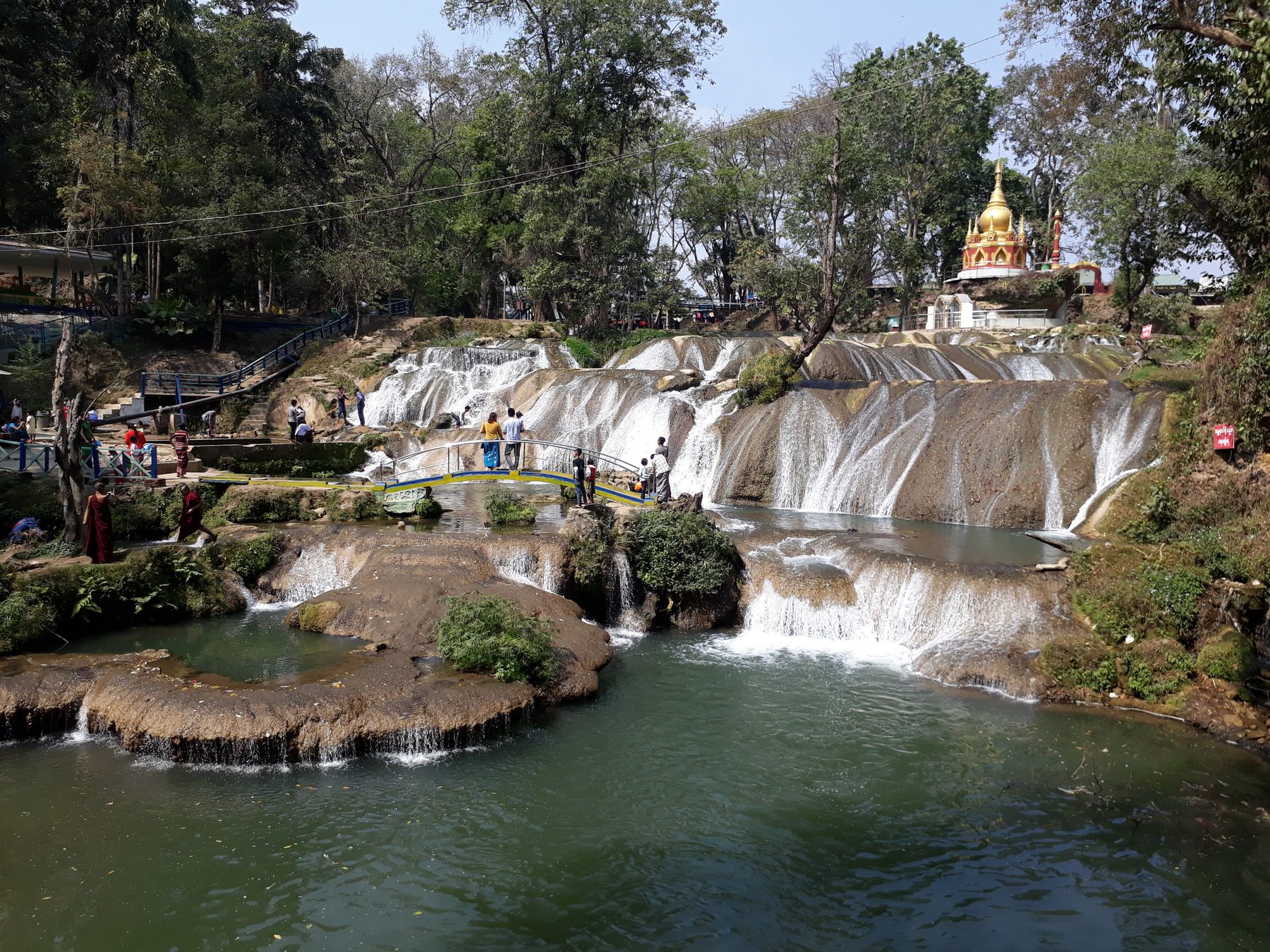
Beyond the town centre, the landscape opens into forested hills, farms and waterfalls. Pwe Kauk Falls, known locally as BE Falls and called Hampshire Falls in the colonial period, is one of the most visited — a multi-tiered cascade a short drive from town that has drawn picnickers since British times.
Yet Pyin Oo Lwin’s beauty is not held in one garden or viewpoint. It is found in the cooler air after the heat of Mandalay, in flowers being tended and carried to market, and in old buildings that have witnessed the town’s many changes.
Pyin Oo Lwin is often remembered as a flower city, but it is also a living town shaped by local livelihoods and a complicated history. Its beauty lies in both: the flowers that continue to grow here, and the people who make a home among them.