Myeik Archipelago: Islands, Tides and Lives at Sea
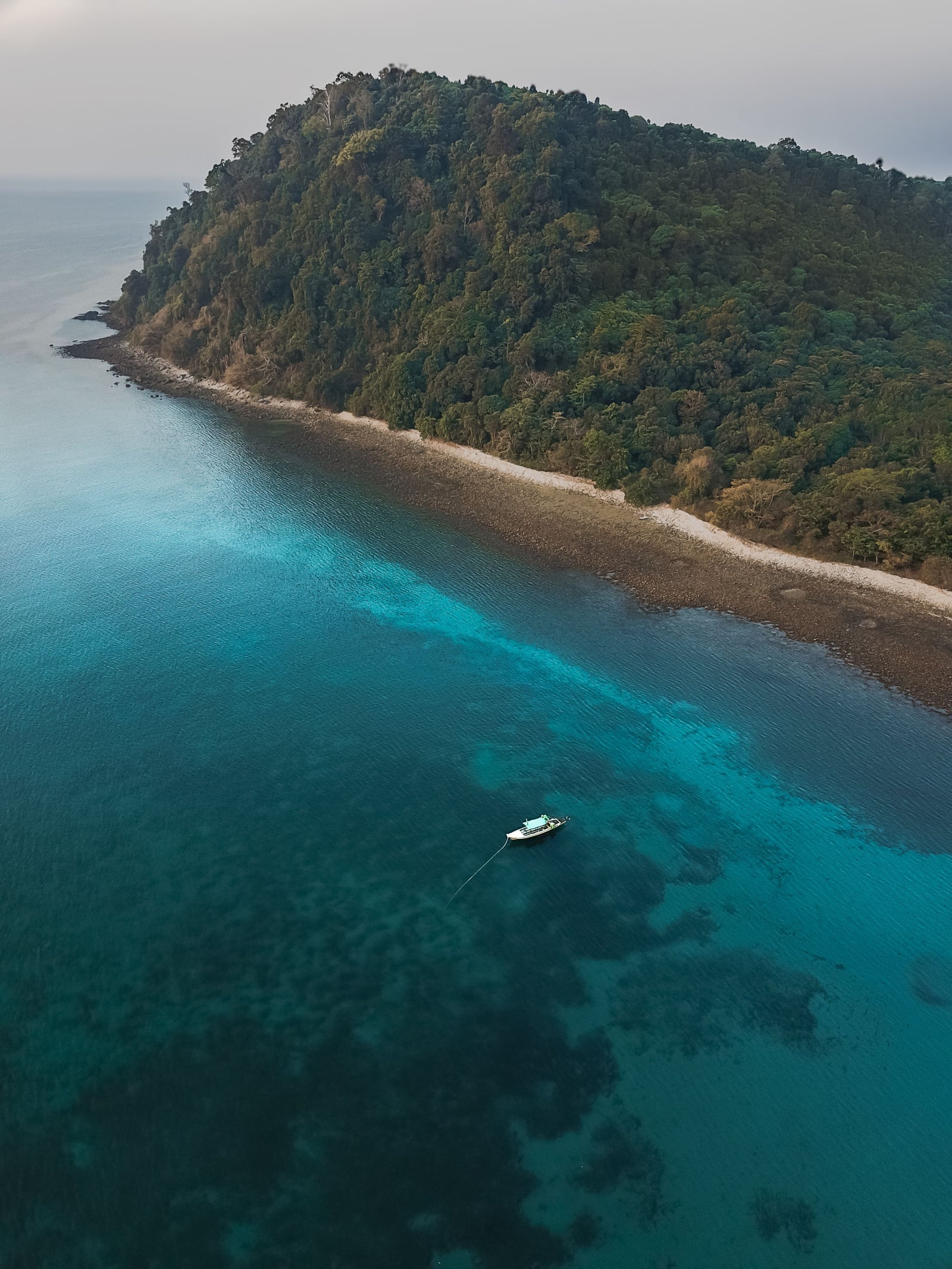
Forested islands rise from the Andaman Sea, their shores edged with pale sand, rocky headlands and mangroves. Beyond one island, another comes into view.
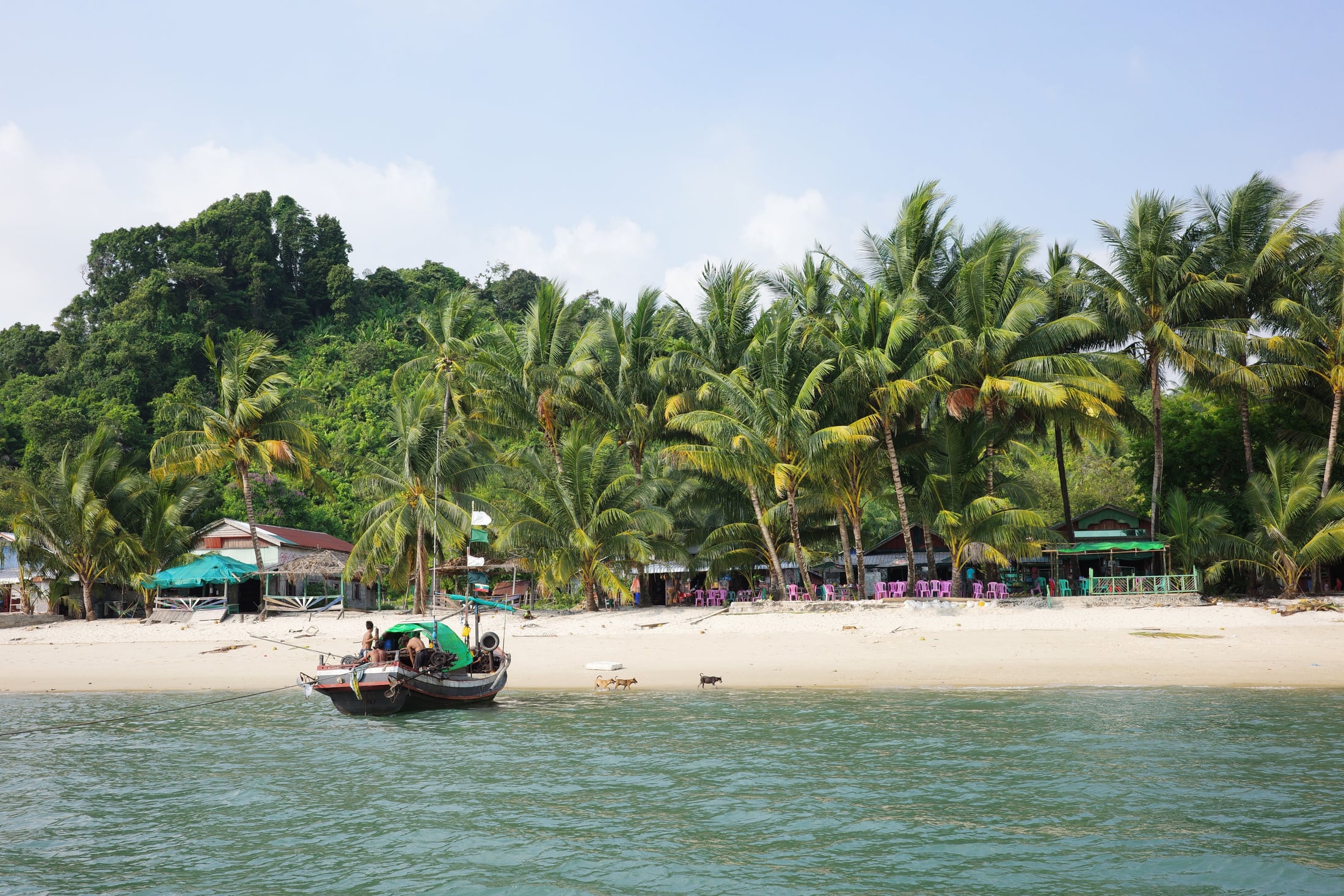
Forested islands rise from the Andaman Sea, their shores edged with pale sand, rocky headlands and mangroves. Beyond one island, another comes into view. It is easy to understand why photographs of the Myeik Archipelago make people curious about this part of Myanmar.
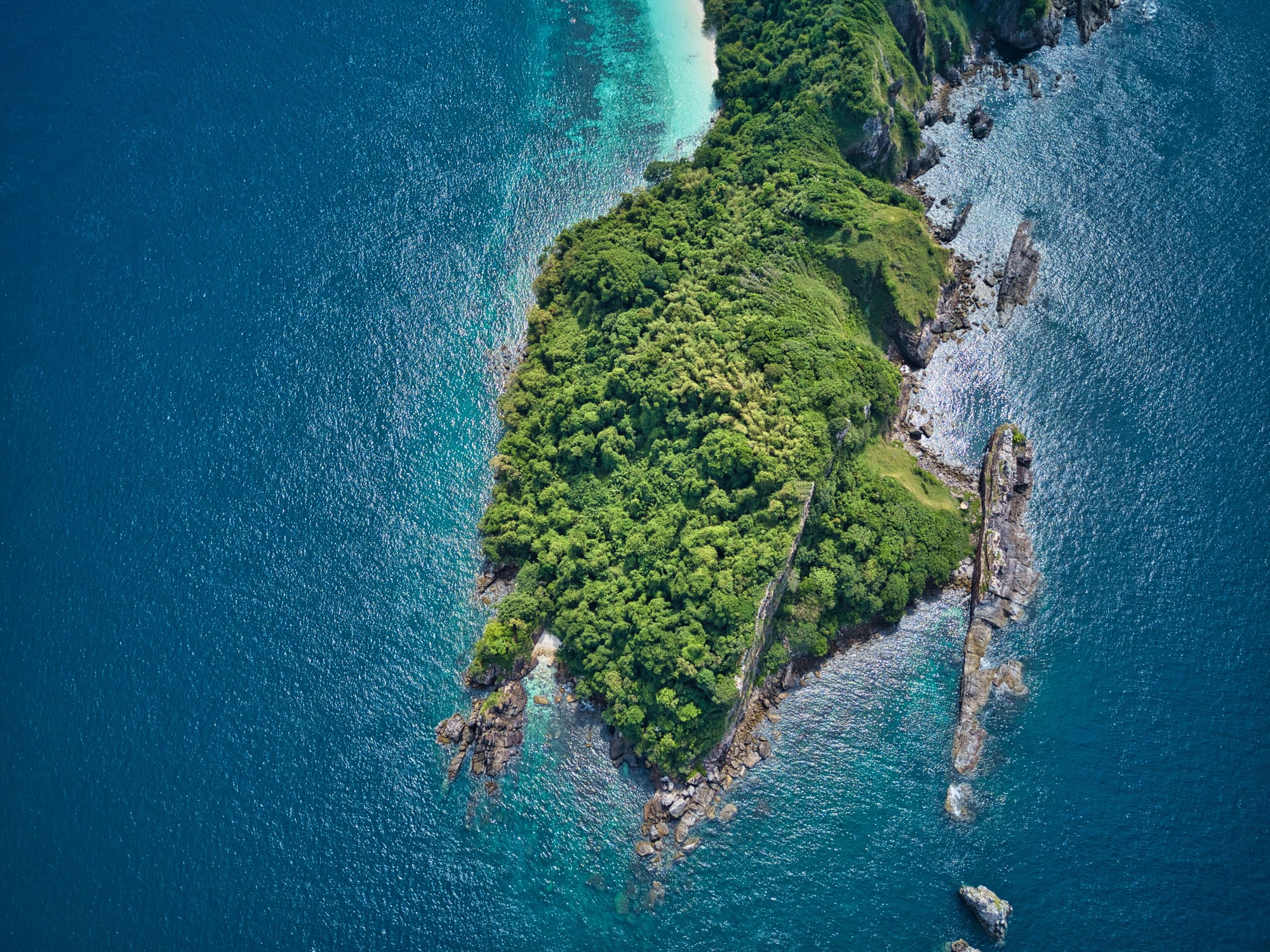
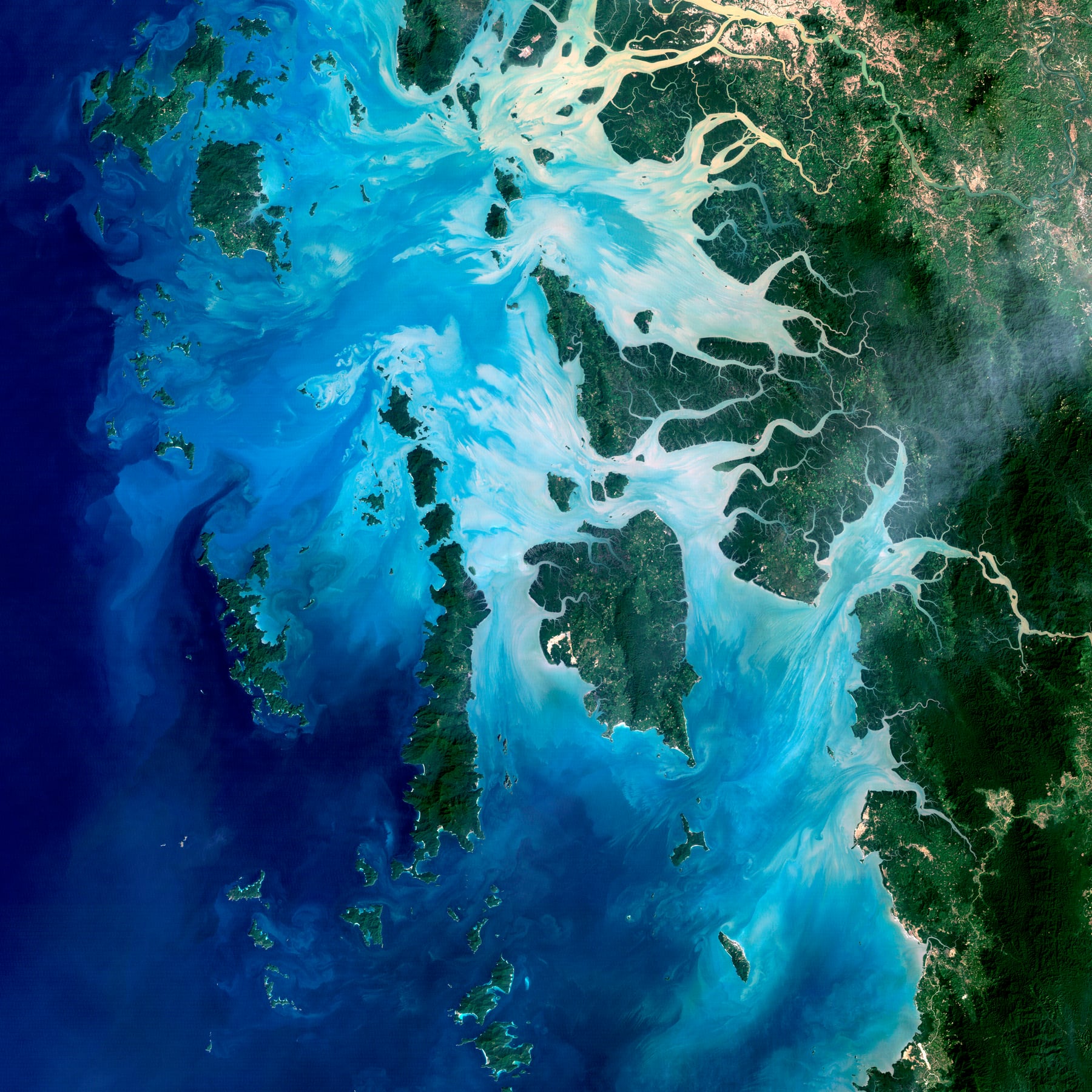
Off the coast of Tanintharyi in the country’s south, the archipelago contains around 800 islands. Also known as the Mergui Archipelago, it is home to rainforests, coral reefs and coastal communities whose lives have long depended on the sea. Its heritage includes the knowledge of boat builders, fishers and families who have learned to live with changing tides and seasons.
A brief history of a trading coast
Although the islands can seem distant from the wider world, the nearby mainland port of Myeik was once an important connection between maritime trade and inland kingdoms.
From the sixteenth century, merchants used the port to reach trading routes leading towards Ayutthaya, the former capital of Siam. Goods travelled by river and overland across the peninsula. Burmese forces captured Myeik in 1765, and the region passed to British rule in 1826 after the First Anglo-Burmese War. “Mergui,” the name still found in older books and some travel writing, remains a reminder of that period.
Foreign tourism opened in the archipelago in 1997. Long before that, these waters were already familiar to the people who travelled between the islands, gathered food along their shores and traded with coastal settlements.
The Moken and their knowledge of the sea
Among the archipelago’s Indigenous communities are the Moken, often known as Salone in Myanmar. Their maritime heritage is one of the most distinctive parts of the region’s story.
Traditionally, Moken families travelled in wooden boats called kabang, which also served as homes. Cooking, sleeping and carrying everyday belongings all took place within a small space. Families moved between islands during the drier months and sheltered ashore during the monsoon.
Living this way required practical knowledge: where to gather shellfish at low tide, how to find food underwater and where a boat could shelter. Fishing and gathering supplied food for families, while some marine products were exchanged for other necessities. These skills connected people to particular beaches, reefs and stretches of water.
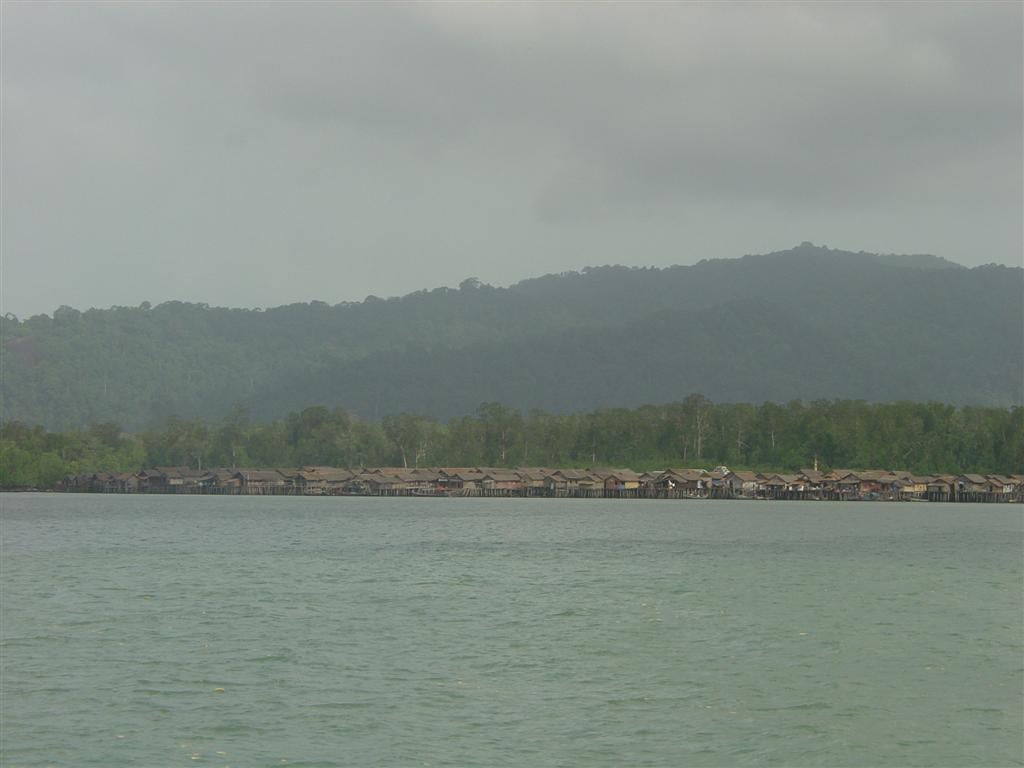
For a visitor, two islands might look much alike. For someone who knows these waters, their differences can matter greatly.
Customs shaped by sharing and the seasons
Traditional Moken life places importance on sharing resources. Food, access to the shore and relationships within the community have helped families manage a life shaped by seasonal movement.
Moken spiritual traditions also include respect for ancestors and spirits, with ceremonies and offerings forming part of community life. Practices vary between settlements, and they should not be treated as customs shared by everyone across the archipelago. The islands contain different communities, each with its own experiences and beliefs.
It is also important to avoid imagining that every Moken family still lives aboard a boat. A growing move towards permanent settlements was already documented by researchers in 2015, alongside the practical barriers many families faced in settling down, including access to schooling and healthcare. These difficulties belong in the story alongside the boat-building and fishing traditions.
Preserving heritage should leave room for people to choose how they live, including opportunities for their children.
The archipelago today
The beauty of the islands depends partly on what happens beneath the water and along the shore. Coral reefs, seagrass beds and mangroves support marine life and the livelihoods connected to it.
Fauna & Flora identifies overfishing and illegal, unreported and unregulated fishing among the pressures facing the region. Its work includes mangrove conservation and support for locally managed marine areas, involving communities in protecting the resources they depend on.
The Myeik Archipelago belongs in Myanmar’s heritage story because of both its natural environment and its maritime communities. Understanding it means looking closely at how boats are built, how knowledge of the sea is passed on, and how families support themselves as their circumstances change. The islands are beautiful to look at. The lives connected to them deserve just as much attention.