Mrauk-U: Stone Temples and the Memory of a Kingdom
Among the low hills of western Myanmar, stone temples rise above fields and settlements, their thick walls and rounded stupas giving them a solid, almost fortress-like appearance.
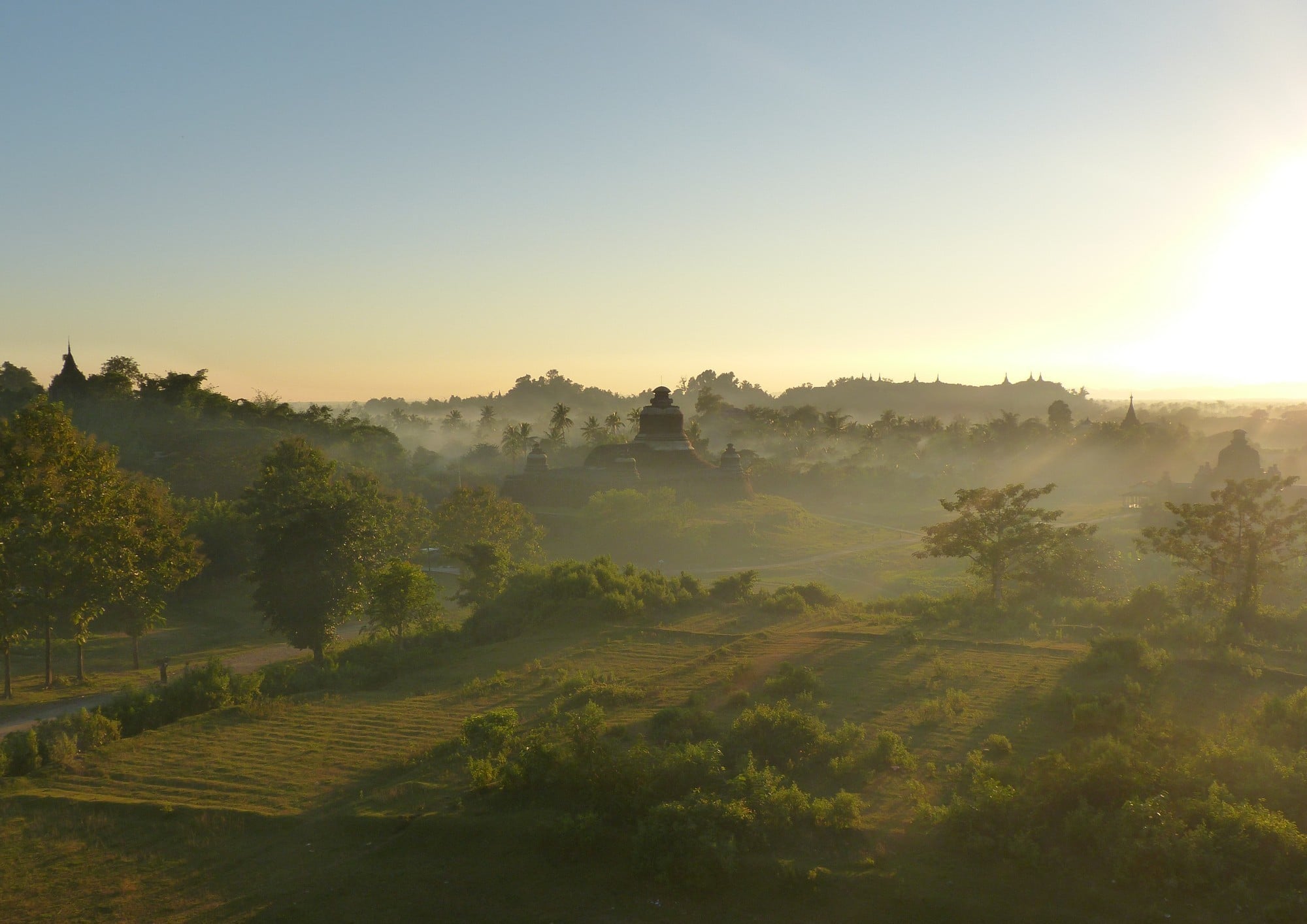
Among the low hills of western Myanmar, stone temples rise above fields and settlements. Their thick walls and rounded stupas have a solid, almost fortress-like appearance. Inside, narrow passages reveal Buddha images and carvings that reward a closer look.
This is Mrauk-U, an ancient royal capital in Rakhine State. Its temples offer an introduction to a kingdom that once connected this corner of Myanmar with the wider world. For the Rakhine people, the town also holds a deeply important place in their history and cultural identity.
A capital connected to the world
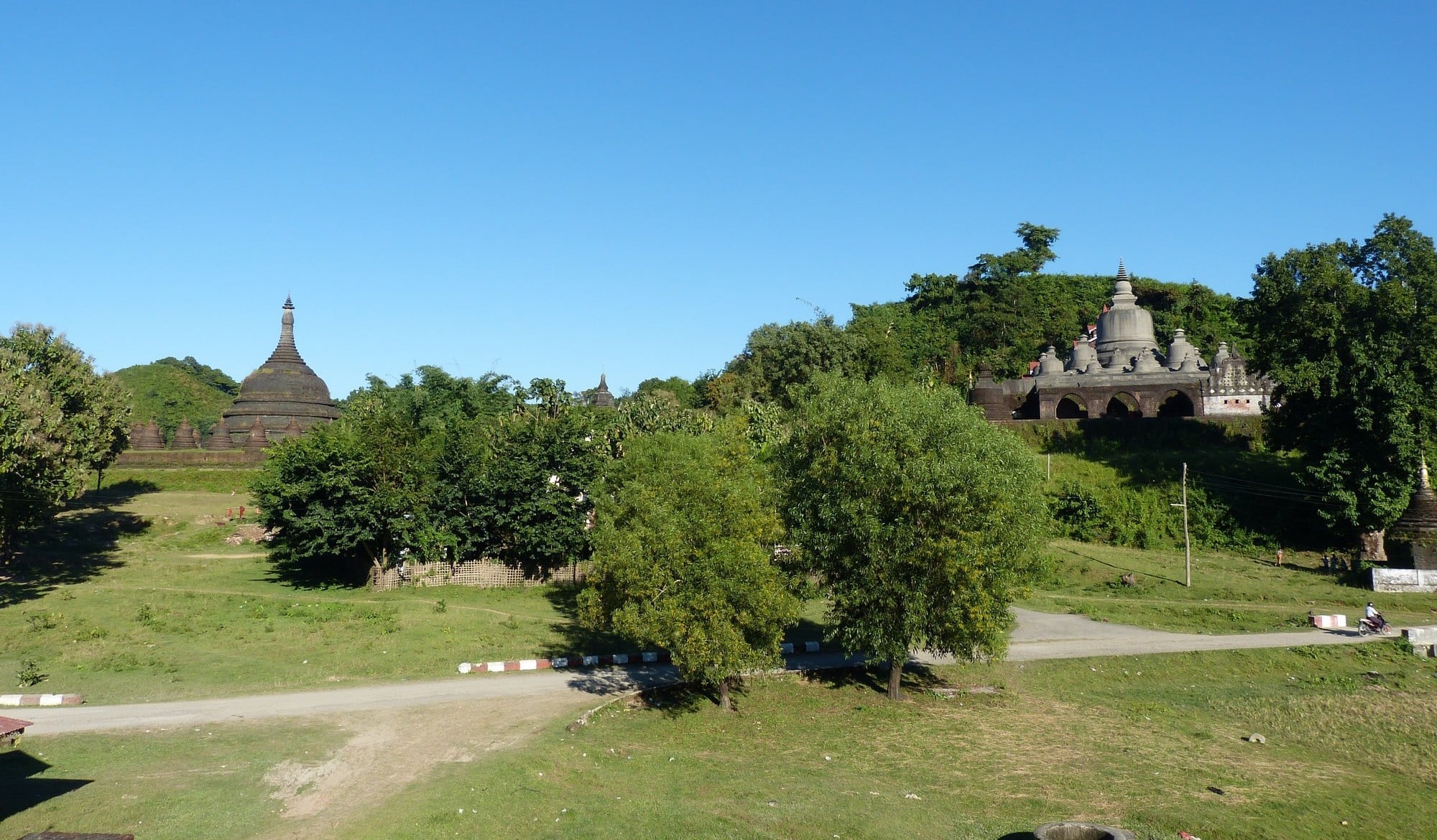
King Min Saw Mon established Mrauk-U as his capital in 1430. It remained the centre of the Arakanese kingdom for more than 350 years, until the Burmese Konbaung conquest in 1784–85.
During its prosperous centuries, the city participated in trade across the Bay of Bengal, maintaining connections with Bengal and merchants from further afield, including the Portuguese and Dutch. Its hills, fortifications, waterways and royal buildings formed a substantial capital. The surviving temples reflect the resources and craftsmanship devoted to religious construction during this period.
Knowing this changes how the landscape looks. Behind the weathered stone is the history of a city where rulers, traders, craftspeople and religious communities once lived and worked.
Small details inside great stone buildings
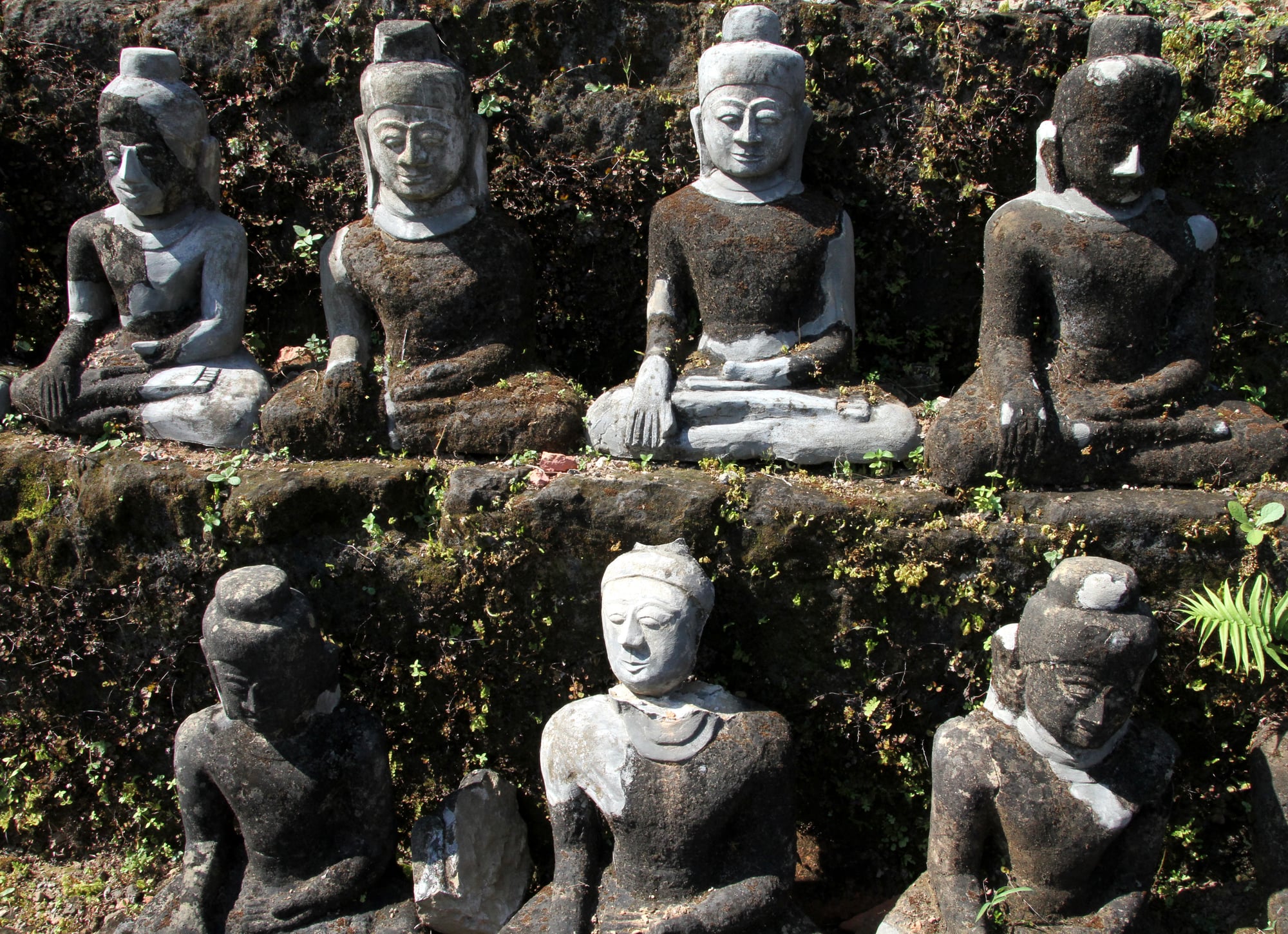
One of Mrauk-U’s best-known monuments is Shitthaung Temple, also spelled Shite-thaung. Built by King Min Bin in 1535–36, its name means “Temple of 80,000 Buddha Images.”
Its passages contain carvings of Buddhist stories, spiritual figures, animals and scenes associated with Arakanese culture. The winding layout draws attention from one detail to another: a face, a figure, a small scene worked into the stone. These carvings make the temple interesting beyond its size or age.
Nearby, Htukkanthein, built in 1571 under King Min Phalaung, has a particularly strong exterior, with small windows and a single entrance. Inside, passages turn towards the central Buddha image. Sculpted men and women beside the Buddha niches are traditionally understood to represent donors, giving human faces to the history of the building.
Koe-thaung, constructed in the 1550s by King Dikkha, is the largest temple in Mrauk-U. Its name means “Temple of 90,000 Buddha Images.” Together, these monuments show the ambition of the kingdom’s builders and the importance placed on Buddhist devotion.
Rakhine traditions beyond the temples
The cultural story of Mrauk-U also belongs to the wider Rakhine traditions shared by its communities.
During Rakhine Thingyan, preparations traditionally include grinding fragrant nantha, often made with sandalwood, for offering to Buddha images. The ceremonial bathing of the images comes before the more playful water celebrations.
Another distinctive feature is the use of long boats as water containers. Participants scoop water from them to splash one another, while gatherings may include servings of Rakhine mont di. These customs give the New Year celebrations a recognisable local character.
The preparation is part of the occasion: people gathering, making offerings and sharing food. These are regional traditions, though the scale and form of celebrations vary between communities and from year to year.
A living town, not just a ruin
Mrauk-U deserves attention for its remarkable temples, its place in Rakhine history and the traditions connected to it. The ruins are not a frozen relic — the town around them is still lived in today, with daily life carrying on in the shadow of the old royal capital. Preserving that heritage means caring for the old buildings alongside the community that calls Mrauk-U home.