
Traditional Sweets: Small Sweets, Familiar Flavours
Grated coconut, warm jaggery and soft, sticky rice — many of Myanmar's traditional sweets begin with these simple ingredients, made into small treats to enjoy with tea or share with others.
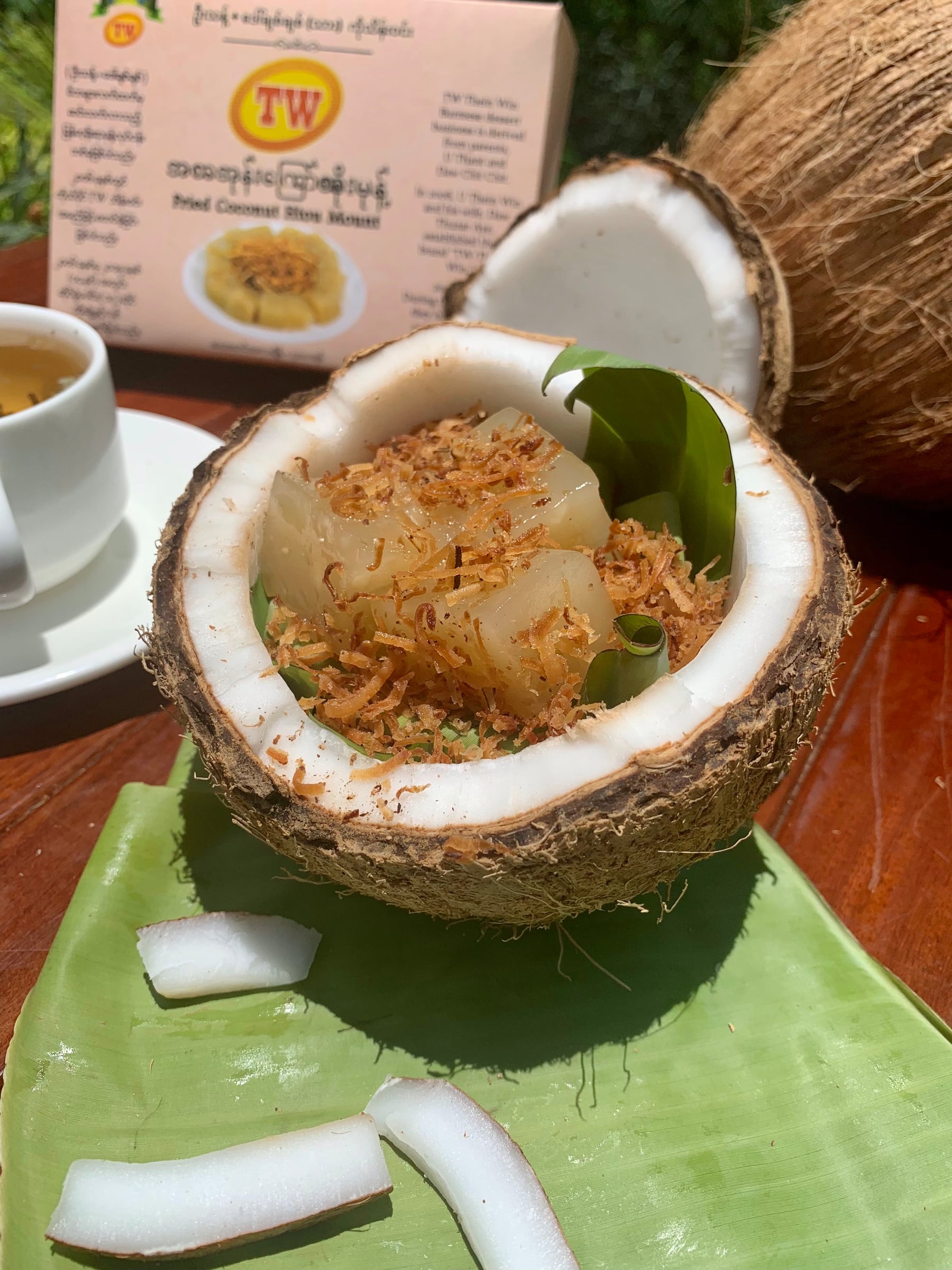
Grated coconut, warm jaggery and soft, sticky rice. Many of Myanmar’s traditional sweets begin with these simple ingredients, made into small treats to enjoy with tea or share with others.
A family of snacks called mont
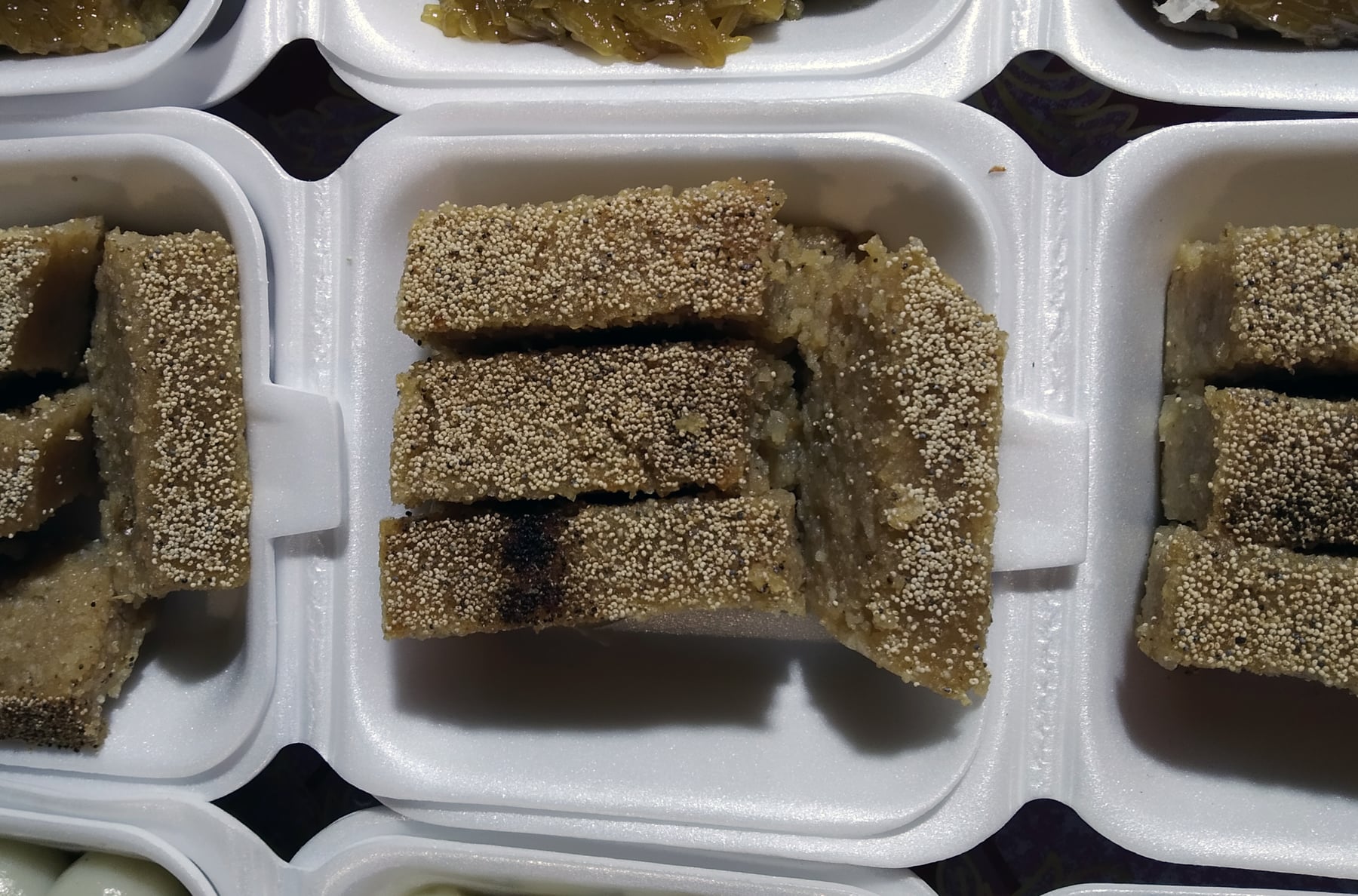
They belong to the wider family of foods called mont, a Burmese word that includes both sweet and savoury snacks. Steamed, stirred, baked or boiled, each has its own texture. There is mont kywe the, a soft rice flour pudding sweetened with jaggery, and sanwin makin, a rich semolina cake made with coconut, sugar and butter. A small serving is a familiar companion to morning or afternoon tea.
Sweets that carry a place’s name
Some sweets carry the name and history of a place. Pathein halawa, a rich, sticky sweet made with rice flour, coconut, butter and milk, was first sold in Pathein in the 1930s. Further north, Mandalay is known for htoe mont, a glutinous rice cake with raisins, cashews and coconut, often taken home as a gift. These local specialities let people bring a little of their journey back to family and friends.
A festival treat
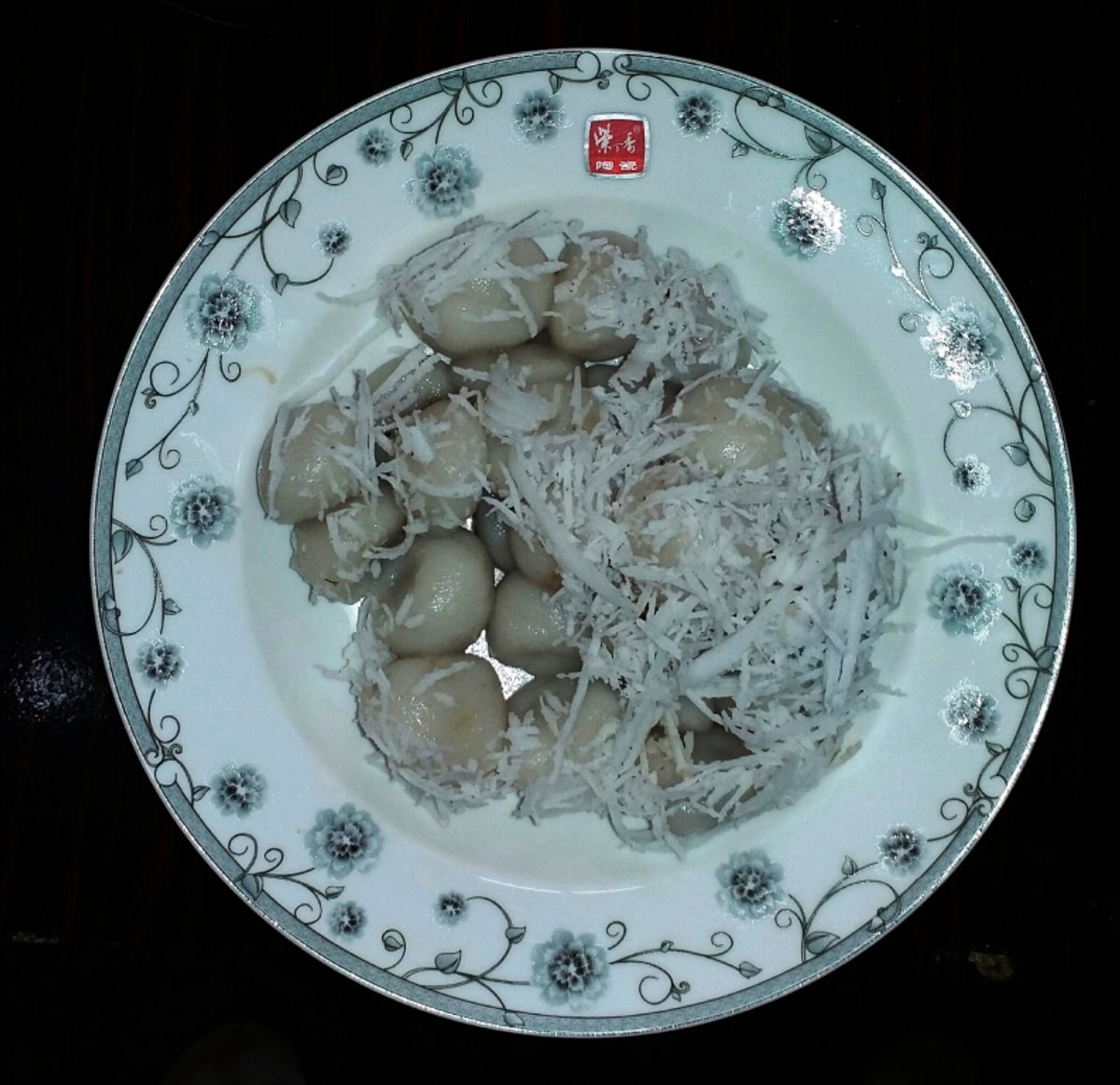
Others belong to a particular celebration. During Thingyan, groups gather to make mont lone yay paw, rice flour balls filled with palm jaggery. They are boiled until they float, then served with grated coconut and shared freely with passers-by. Occasionally, someone hides a chilli inside instead of jaggery, adding a small surprise to the festivities.
For many, the memories are as familiar as the flavours: a sweet bought at the market, a box brought home from Mandalay, or an afternoon spent rolling dough together.