
Regional Kitchens: Flavours of the Places They Call Home
A meal in Myanmar changes with the landscape — what grows nearby, what reaches the market, and how families have learned to cook all help shape the food.
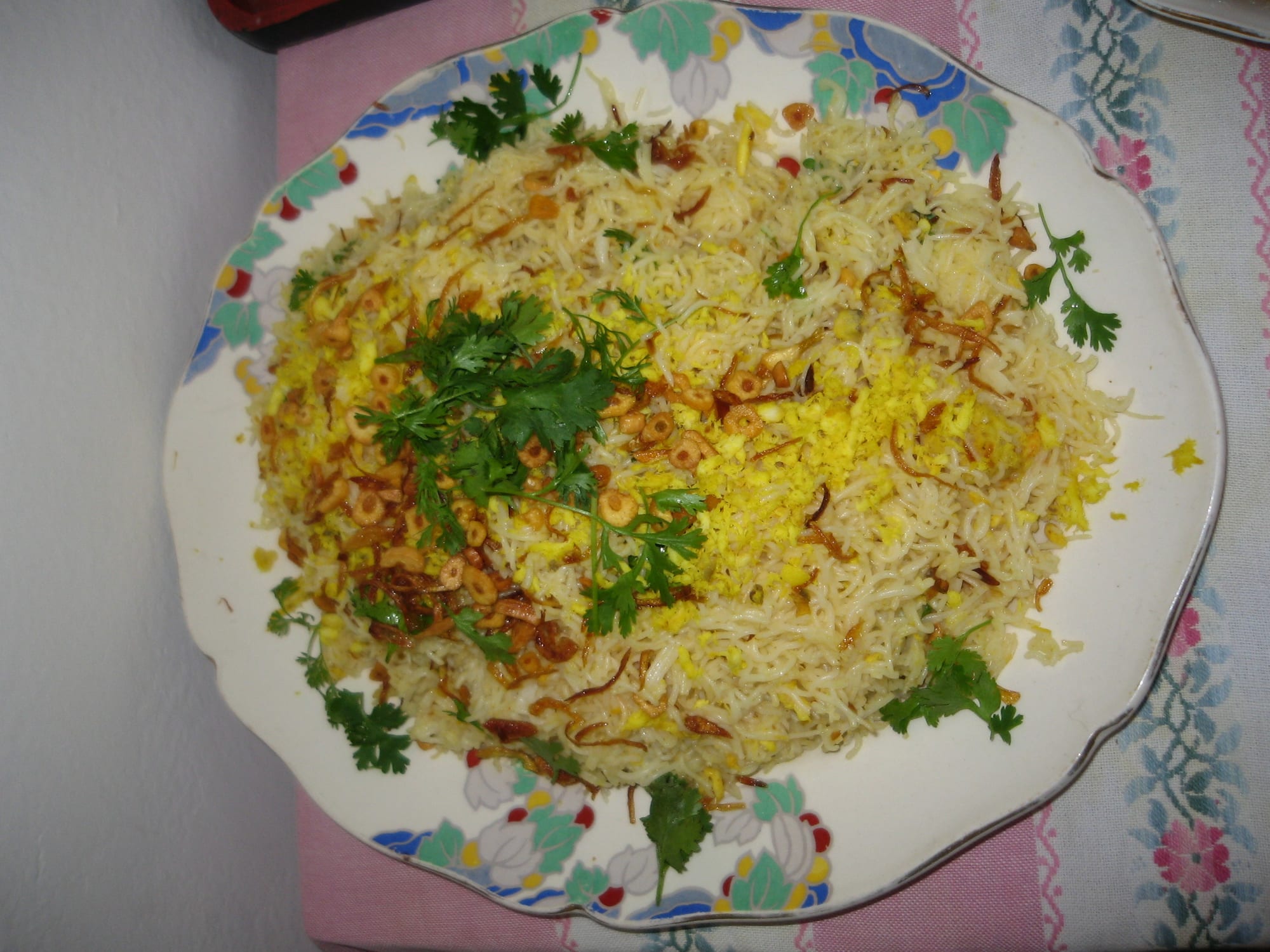
A meal in Myanmar changes with the landscape. Along the coast, fish and seafood have a familiar place at the table. Further inland, beans, pulses and meat feature in many dishes. What grows nearby, what reaches the market and how families have learned to cook all help shape the food.
Shan kitchens
In Shan kitchens, fresh herbs and fermented beans bring distinctive flavours to everyday meals. Shan tofu is another familiar food, made with chickpeas or yellow split peas. It can be served soft in a salad or fried until crisp outside, offering different textures from the same simple ingredients.
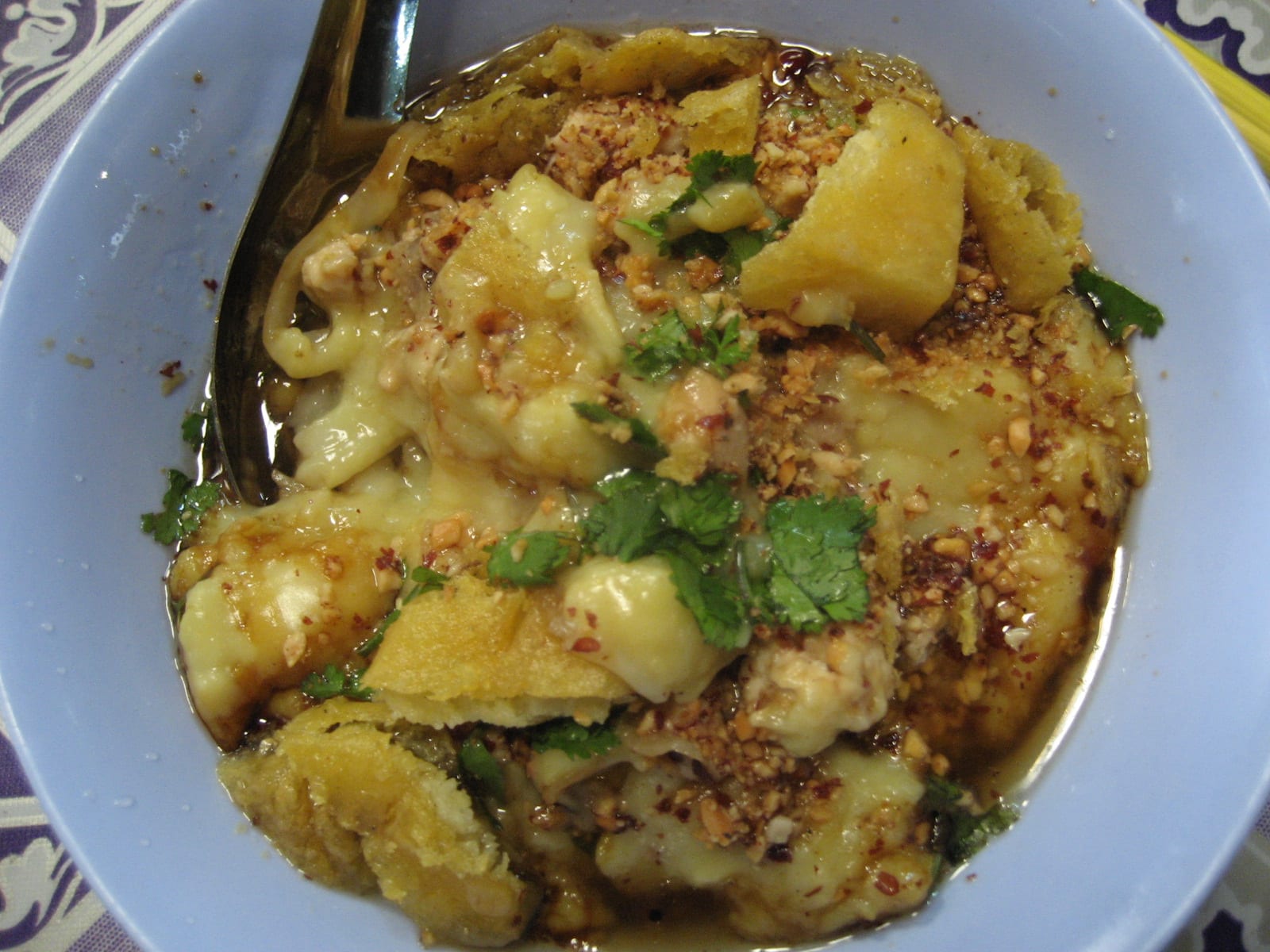
Rakhine’s noodles from the sea
On the western coast, Rakhine mont di reflects the region’s close relationship with the sea. Fine rice noodles are served with a fish broth flavoured with lemongrass and ngapi, with chilli bringing its characteristic heat. It also comes as a salad. The name mont di appears elsewhere in Myanmar, but the bowl can look and taste quite different from one place to another.
A Mon tradition for the hottest days
In the south, Thingyan htamin has its roots in Mon food traditions. Rice served in candle-scented water, accompanied by savoury dried fish, offers refreshment during the hot New Year season. Prepared and shared during Thingyan, it connects a regional dish with the custom of giving food to others.
Bagan’s fermented bean paste
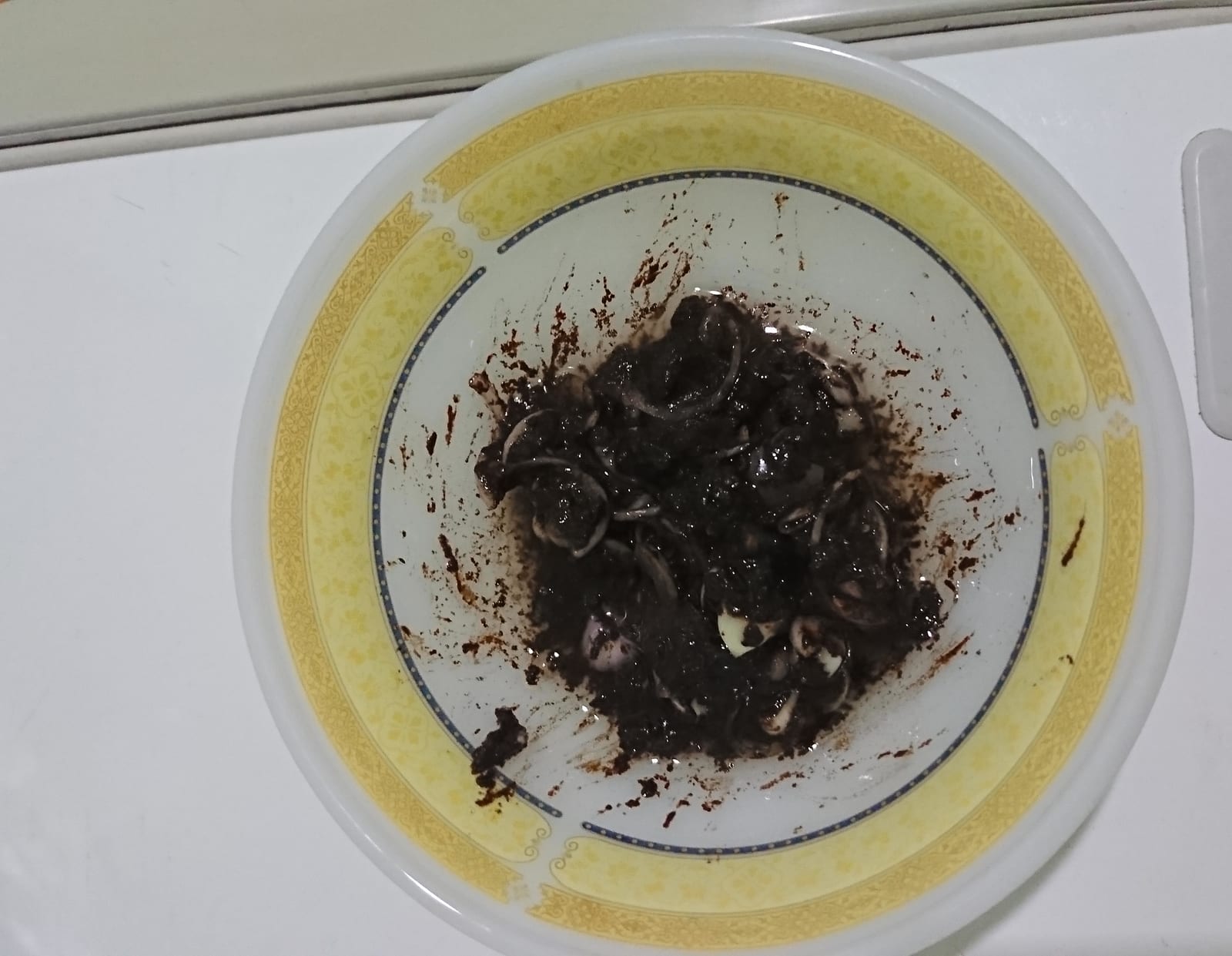
Around Bagan and central Myanmar, pon ye gyi, a thick fermented bean paste, is another distinctive local flavour. It may be cooked with pork or mixed with onions and oil as a salad, showing how preserved ingredients find their way into everyday cooking.
These are a few glimpses into Myanmar’s many regional kitchens. Even within the same community, recipes vary between households. A familiar dish carries something of its place, but also the preferences and habits of the person preparing it.