Thingyan: Welcoming the New Year with Water
Every April, as the hottest days of summer settle over Myanmar, the country welcomes the traditional New Year the way it has for centuries — by soaking everyone in sight.
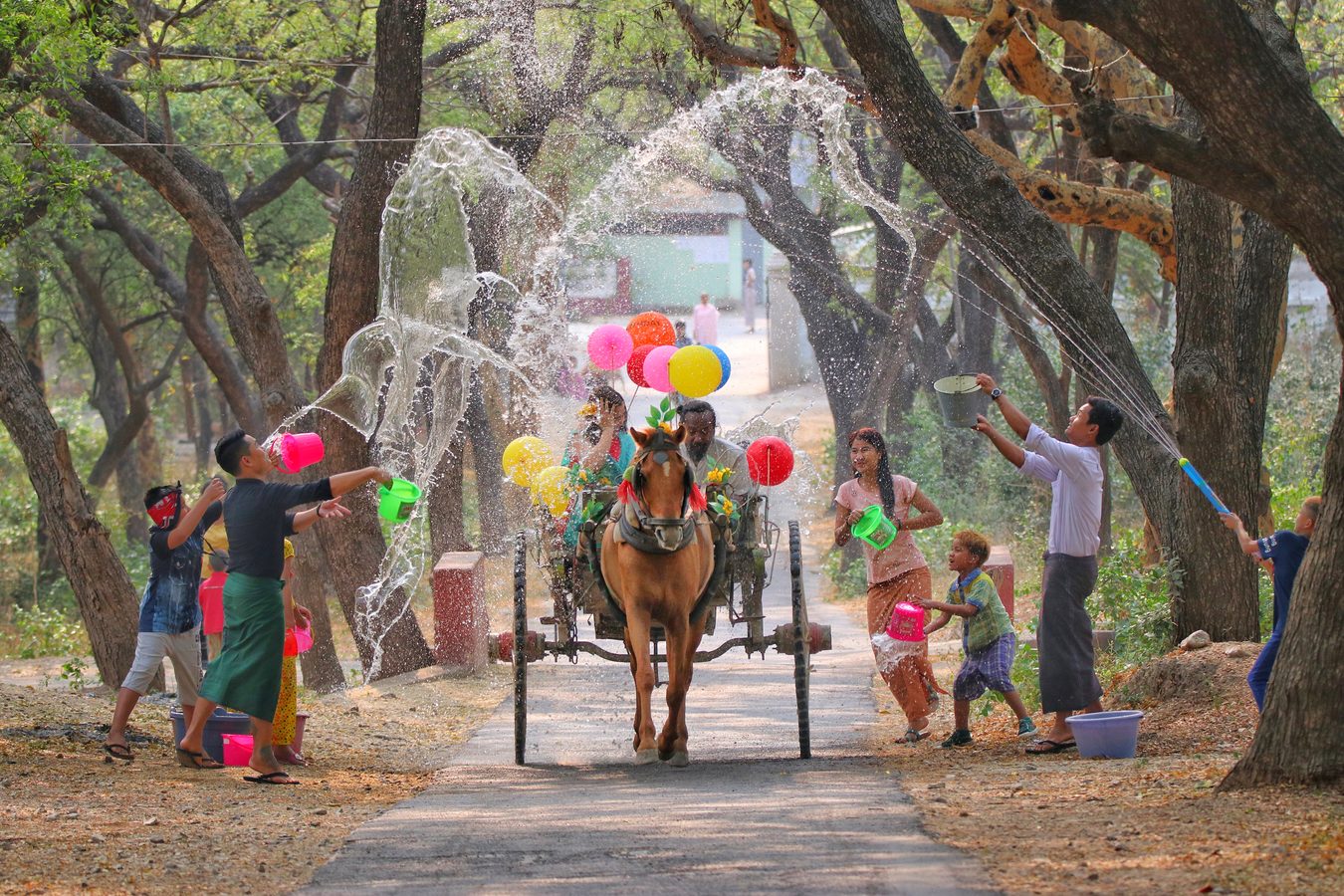
Every April, as the hottest days of summer settle over Myanmar, the country welcomes the traditional New Year with Thingyan, its much-loved water festival.
Roots in the Bagan era
The tradition has deep roots. Historical references to Thingyan can be traced back to the Bagan period, between the 11th and 13th centuries, and the name is connected to the idea of transition from the old year into the new. In 2024, the Myanmar traditional New Year Atā Thingyan Festival was inscribed on UNESCO’s Representative List of the Intangible Cultural Heritage of Humanity.
A flower that marks the season
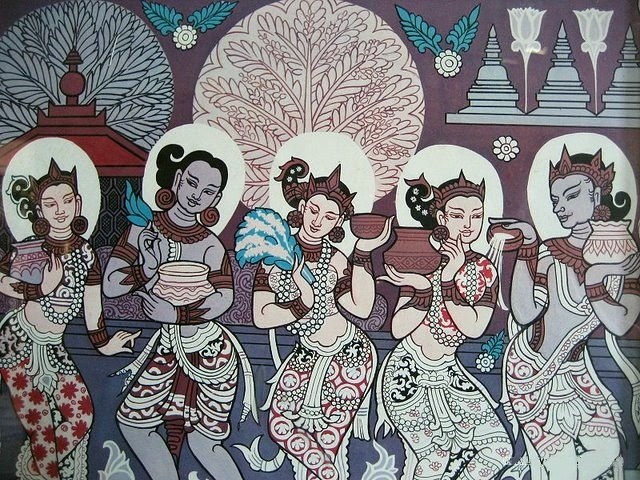
Thingyan has a flower to go with it: the padauk (Pterocarpus macrocarpus), Myanmar’s national tree. Its small, fragrant golden-yellow blossoms are not tied to the calendar but to the rain — they open almost overnight after the season’s first real thunderstorm, which tends to fall close to mid-April. The flowers last only a day or two before dropping, and that short, sudden bloom has made the padauk a natural symbol of the New Year: it is traditionally picked and worn in the hair during Thingyan, and appears often in the season’s songs and greetings as a stand-in for the holiday itself.
Water at the heart of it
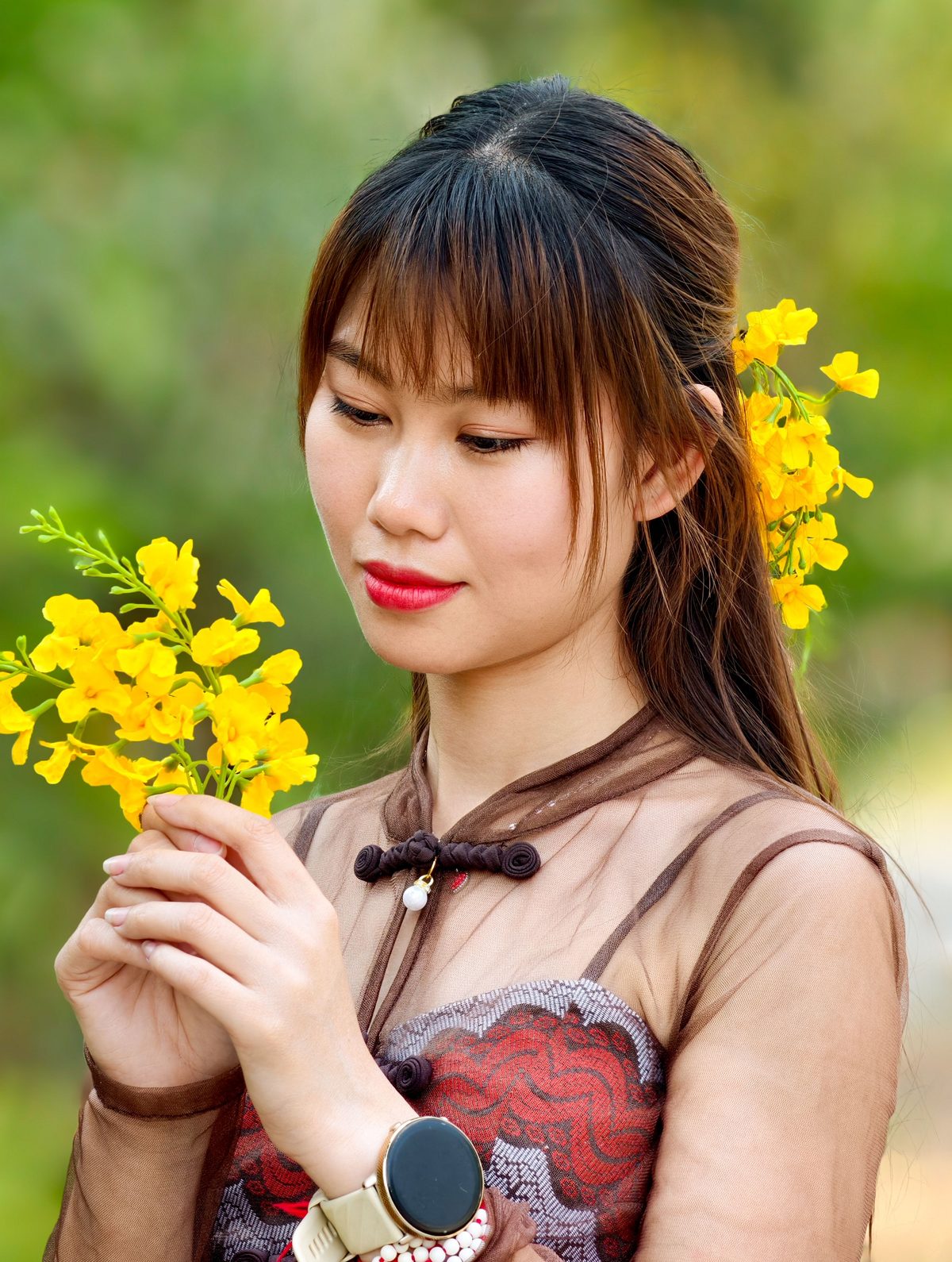
Water is at the heart of Thingyan. Traditionally, scented water was gently sprinkled as a symbolic way of washing away the troubles and impurities of the old year and beginning again with a cleaner heart and mind.
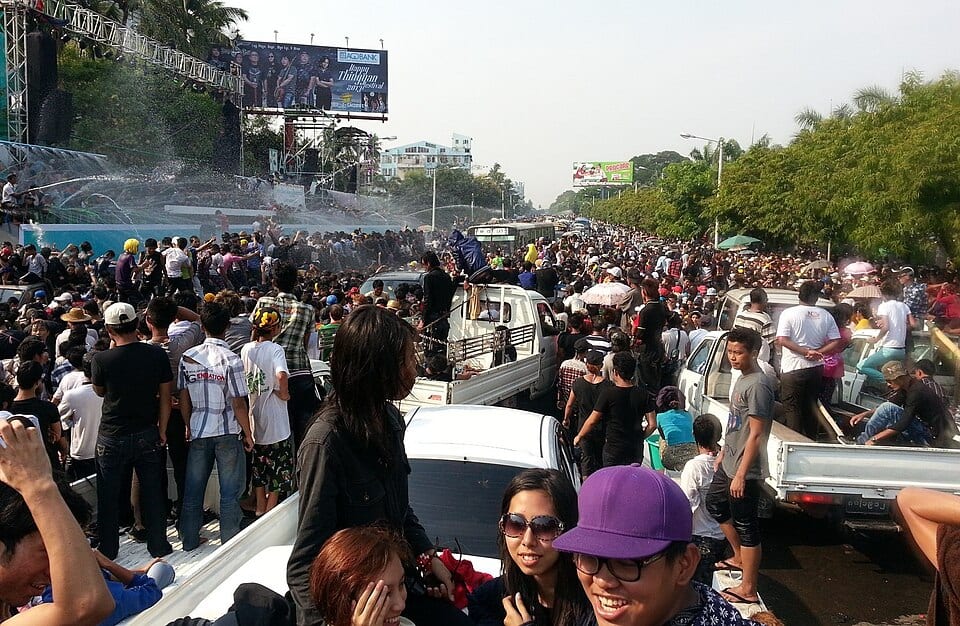
Today, especially in cities, that gentle sprinkling has grown into something much livelier. Streets fill with water, music and laughter as people use buckets, hoses and water guns to soak friends, neighbours and complete strangers.
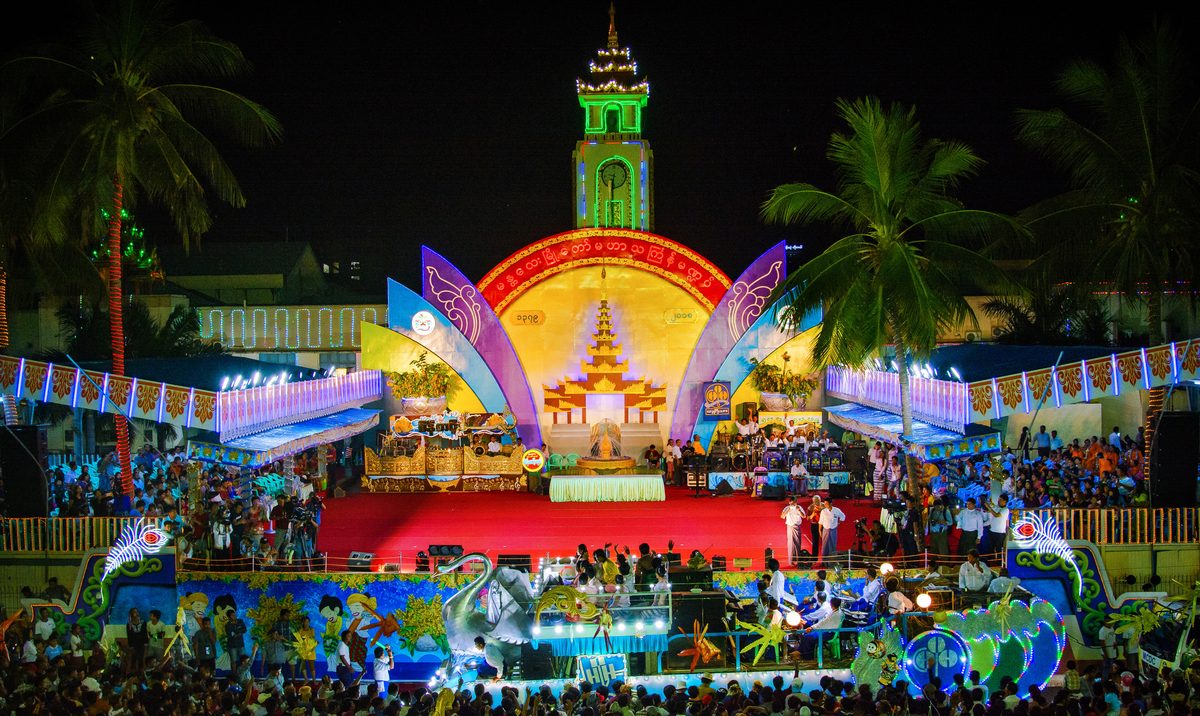
But Thingyan is not only about getting wet.
More than getting wet
For many families, these days are also a time to slow down and do something meaningful. People visit monasteries, offer food, wash Buddha images, give to charity and take part in meditation. Younger people traditionally pay respect to parents, grandparents and elders, while families separated by work or distance often return home to spend the New Year together.
A sweet reward
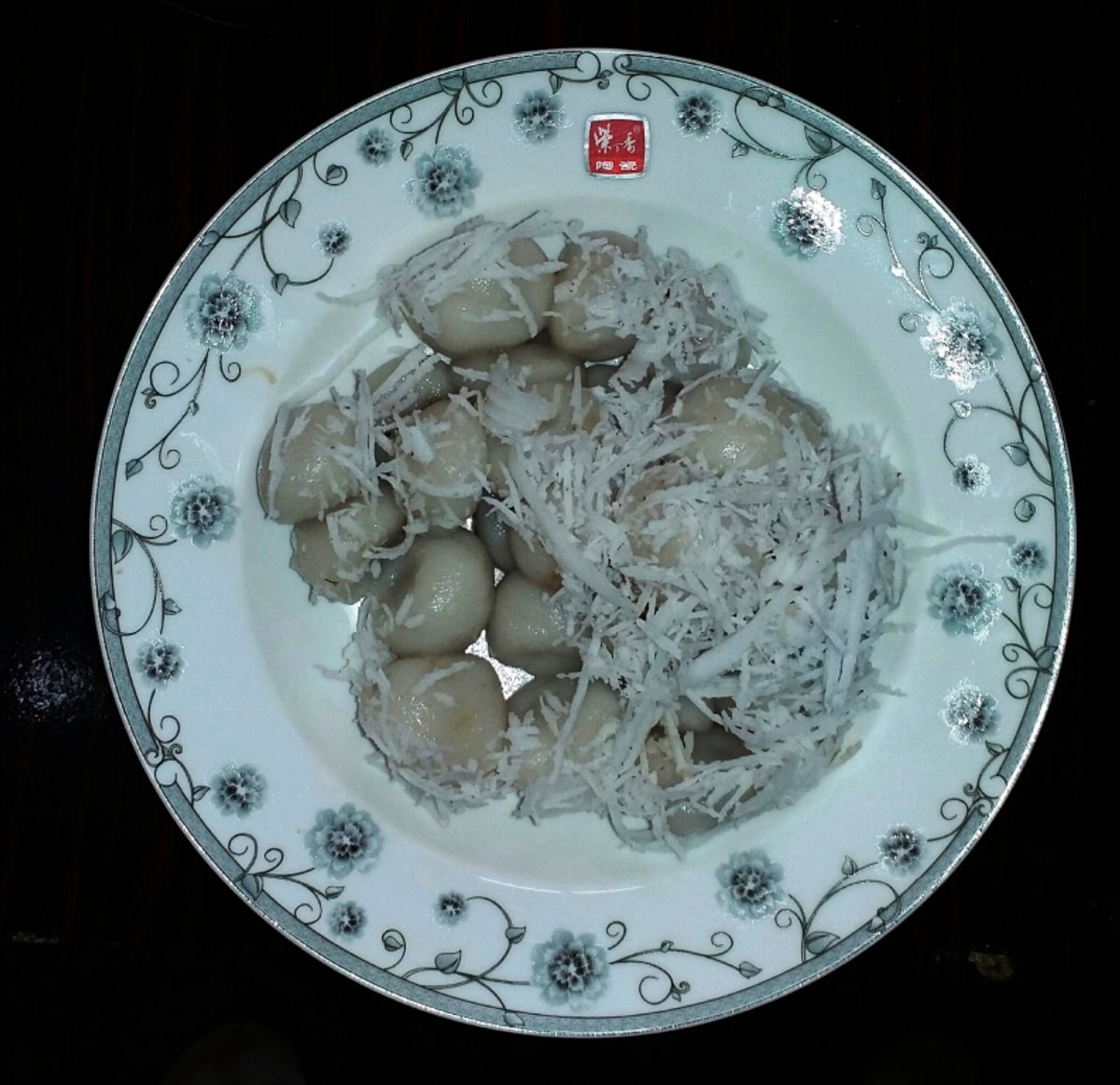
Food is another part of the celebration. Neighbours and volunteers prepare meals and traditional snacks to give away freely. One of the best known is mont lone yay baw, small glutinous rice balls filled with palm sugar and cooked together around a large pot — often with plenty of conversation and laughter along the way.
Perhaps that is what makes Thingyan so special. Beneath all the noise, music and splashing water is a quieter idea: leave behind what should not be carried into another year, show kindness to others, and begin again.
For Myanmar people, Thingyan is both a celebration and a homecoming — a few precious days when streets, monasteries, families and communities come together to welcome another year.