
Tazaungdaing: Lights, Robes and a Sky Full of Balloons
On the full moon of Tazaungmon, Myanmar lights candles, weaves robes through the night, and sends a sky full of paper balloons up over the Shan hills.
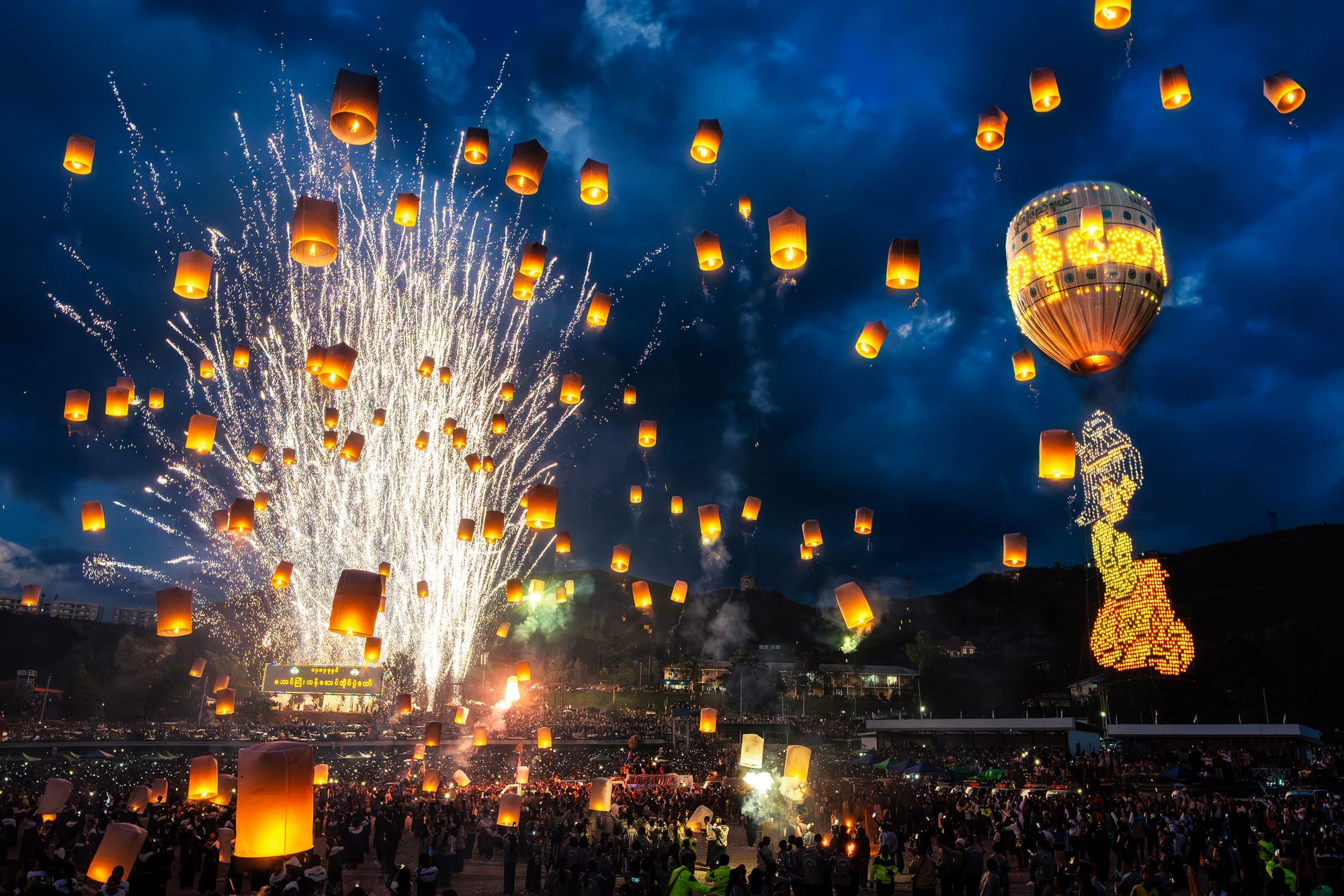
On the full moon of Tazaungmon, the eighth month of the Myanmar lunar calendar, usually falling in November, Myanmar celebrates Tazaungdaing, another of the country’s traditional festivals of light. It also marks the end of the rainy season and the beginning of the Kathina, or Kahtein, season, when robes and other necessities are offered to Buddhist monks.
Although Tazaungdaing shares the glow of candles and lanterns with Thadingyut, it has traditions of its own. Families visit pagodas, make donations and prepare food to share freely with others. In many communities, these simple acts of giving remain an important part of the festival.
The festival itself has old roots. Some accounts trace its origins to traditions that existed before Buddhism became established in Myanmar, including the ancient Kattika festival associated with Indian astrology. Over time, these customs became closely connected with Buddhist practices and the seasonal traditions that continue today.
A robe woven through the night
One of the most distinctive traditions of Tazaungdaing is the weaving of matho thingan, special robes for Buddhist monks.
Teams work through the night, weaving continuously so that the robes can be completed and offered at dawn. Competitions are held in different parts of Myanmar, with one of the best-known taking place at Shwedagon Pagoda in Yangon.
The tradition is connected to a Buddhist story about the Buddha’s mother, Maya, who was believed to have spent a night preparing robes for him after being reborn in Tāvatiṃsa heaven. The custom of making and offering robes has remained part of Tazaungdaing for generations.
It is a festival tradition built around something very simple: time, effort and skill given for someone else.
A sky filled with balloons
Tazaungdaing takes on a very different character in Taunggyi, the capital of Shan State.
Here, the festival is famous for its hot-air balloon competitions. Teams spend weeks constructing large balloons, traditionally using paper, and launch them into the night sky. Some are decorated with lights, while others carry elaborate arrangements of fireworks.
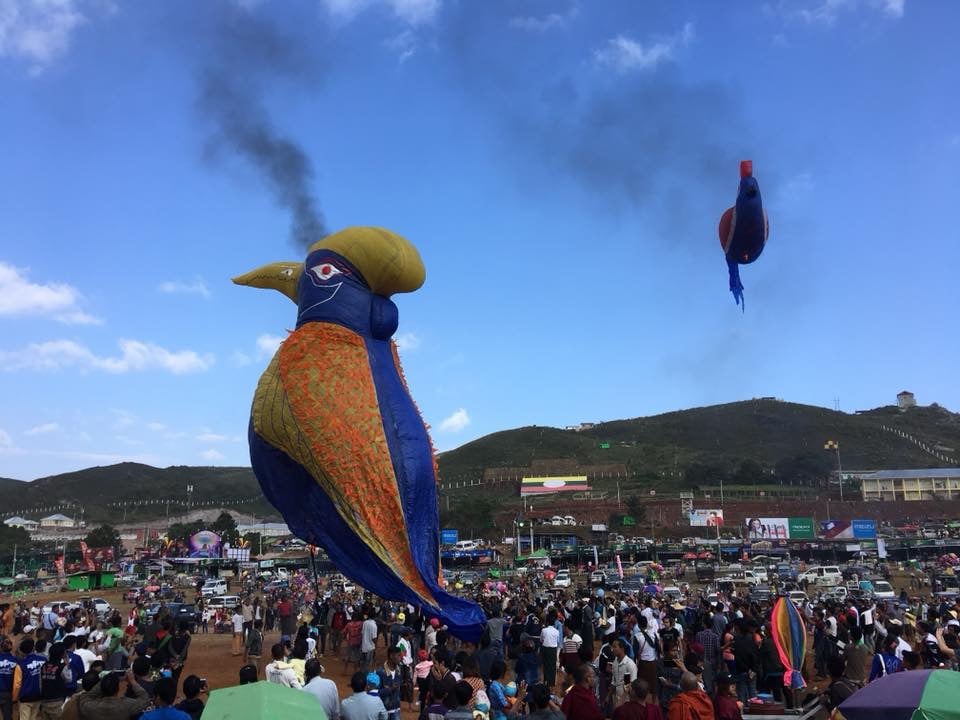
Interestingly, this particular tradition is much newer than Tazaungdaing itself. Historical accounts trace the organised hot-air balloon competition in Taunggyi to 1894, during the British colonial period. It later developed into the large annual celebration associated with the city today.
The balloons can be beautiful, but those carrying fireworks also bring real risks. Accidents and misfires have occurred, making safety an important part of managing the event.
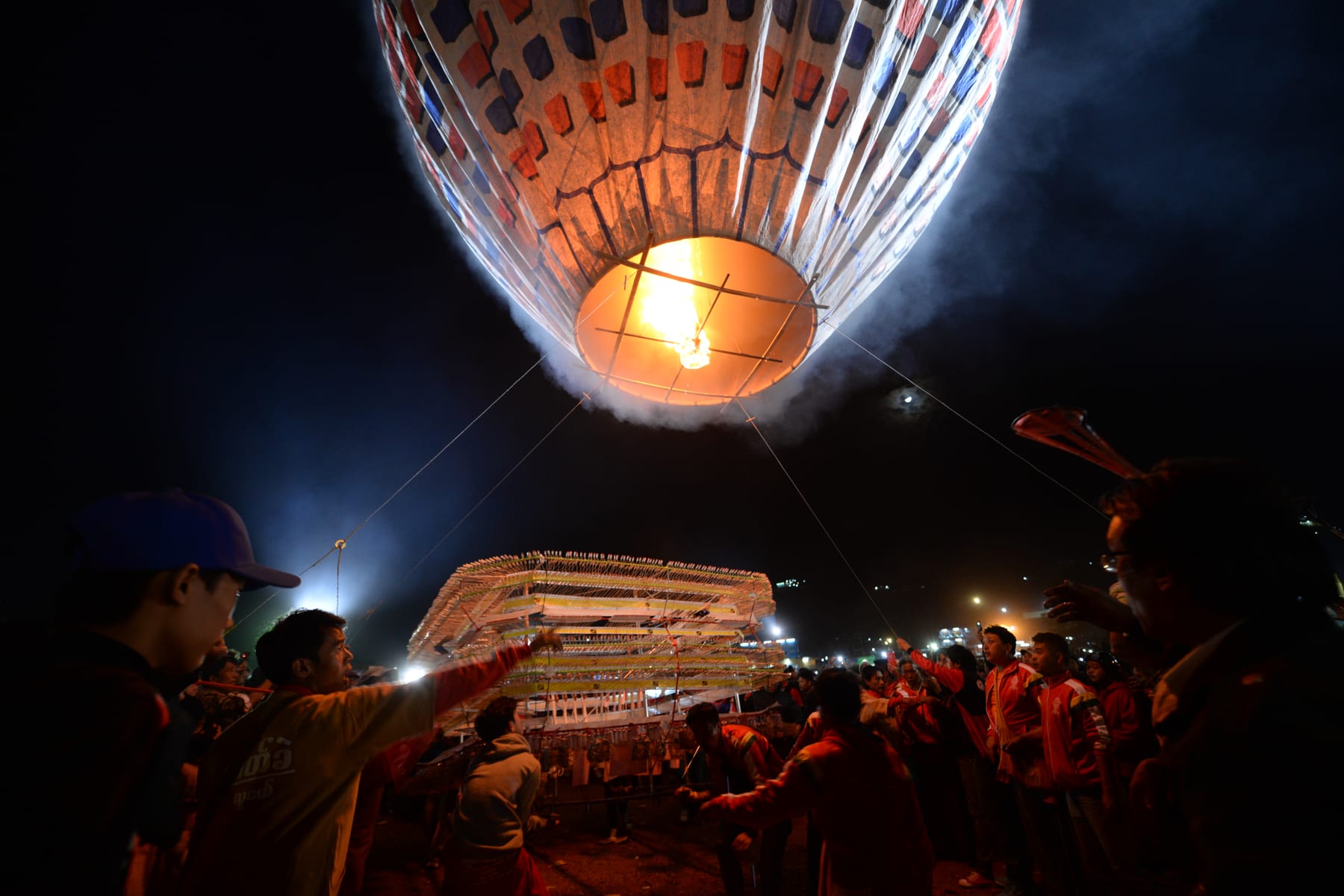
Still, for many people in Taunggyi and the surrounding areas, watching the balloons rise above the Shan hills has become one of the most recognisable sights of Tazaungdaing.
More than one way to celebrate
Tazaungdaing does not look exactly the same everywhere in Myanmar.
In some parts of the country, people release candle-lit balloons. Coastal communities have their own traditions involving offerings set afloat on the water, while other towns hold processions and local celebrations. Families may also visit elders, give alms and share satuditha, food offered freely to anyone who comes.
There are smaller traditions too. Some families prepare mezali phu thoke, a salad made from Siamese cassia flower buds, on the full moon night. Younger people have also traditionally enjoyed kyimano pwe, a night of harmless tricks and mischief among neighbours.
Behind the different celebrations, however, Tazaungdaing remains closely connected with light, generosity and giving — whether through a robe woven overnight, food shared with strangers, offerings made at a monastery, or a balloon slowly rising into the November sky.