
Thadingyut: A Festival of Light and Gratitude
On the full moon of Thadingyut, homes, streets and pagodas across Myanmar begin to glow — and families settle a quieter kind of business, kneeling before elders to give thanks and ask forgiveness.
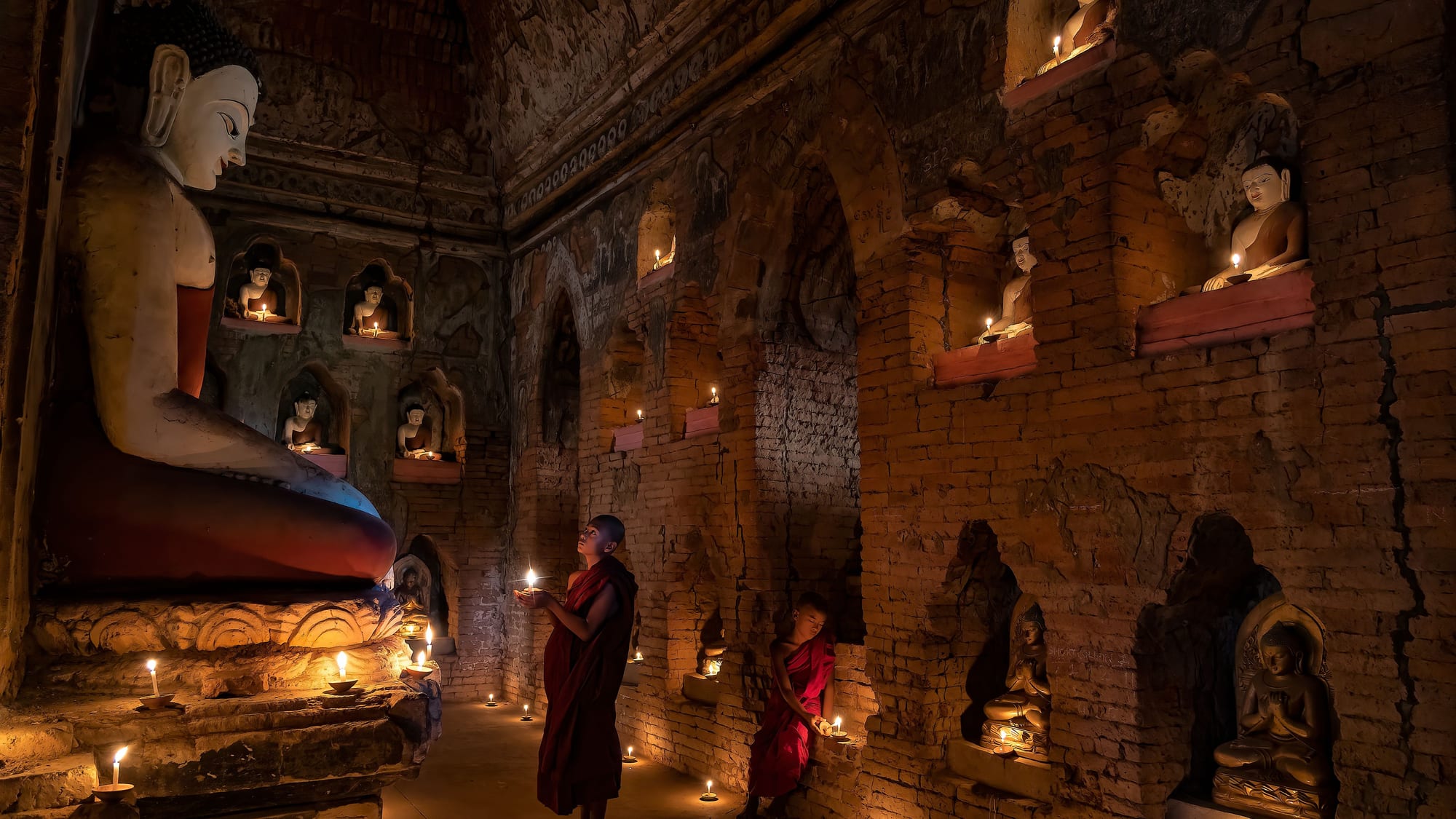
On the full moon of Thadingyut, the seventh month of the Myanmar lunar calendar, homes, streets and pagodas across Myanmar begin to glow with candles, lanterns and colourful lights.
Thadingyut marks the end of Vassa, the three-month Buddhist Rains Retreat, and is one of Myanmar’s most widely celebrated traditional festivals. The celebration usually lasts for three days: the day before the full moon, the full moon day itself, and the following day.
But behind the lights is an older Buddhist story.
Welcoming the Buddha with light
According to Buddhist tradition, the Buddha spent the three months of the Rains Retreat in Tāvatiṃsa Heaven, where he taught the Abhidhamma to the deva who had been his mother, Maya, in a previous life.
At the end of the retreat, he returned to the human world. Buddhist tradition describes his descent along three stairways of gold, silver and precious stones, accompanied by devas and Brahmas. People illuminated his path to welcome him home.
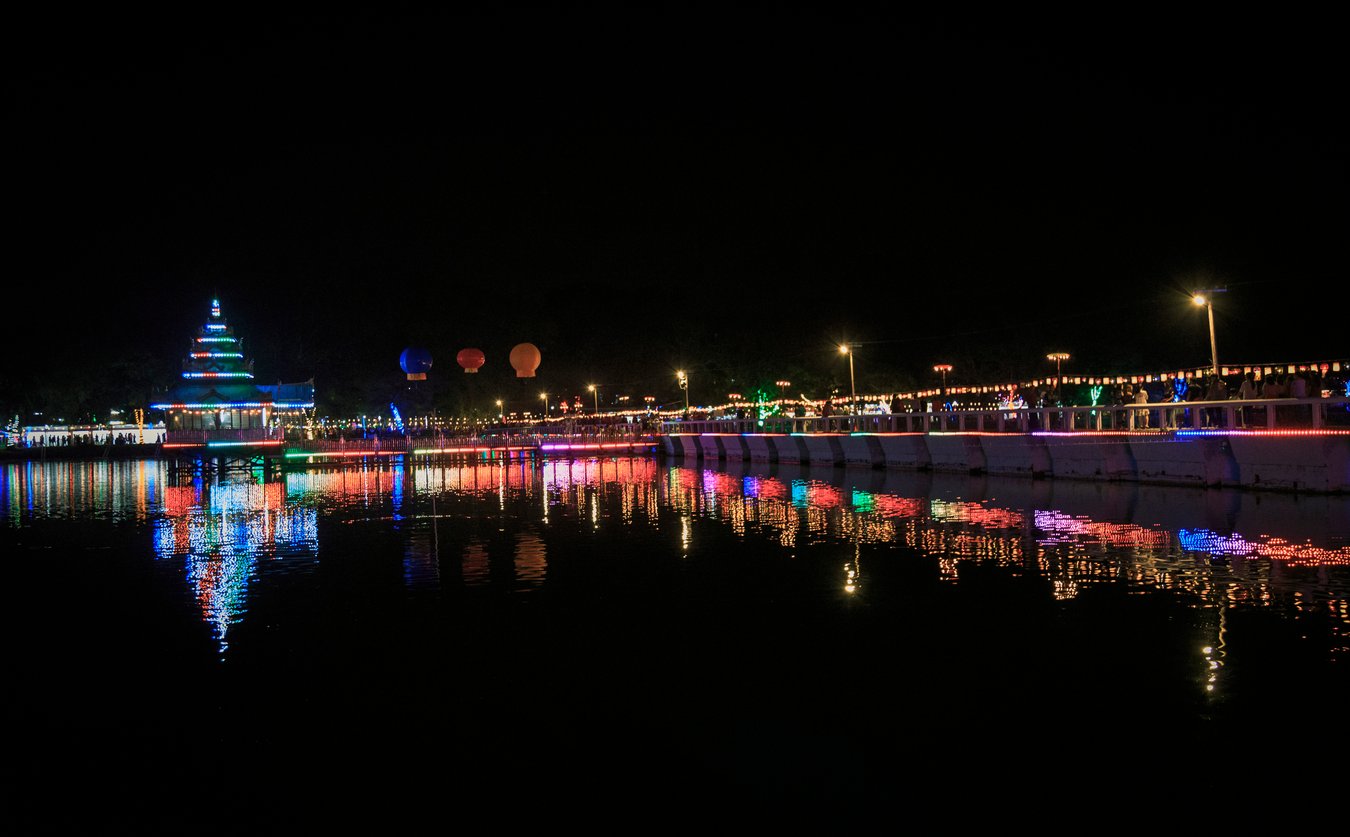
The lights seen during Thadingyut today are associated with this story. Houses, pagodas and public spaces are decorated with candles, lanterns and electric lights, turning even ordinary neighbourhood streets brighter for a few evenings.
A time to say thank you
For many Myanmar families, however, Thadingyut is as much about gratitude as it is about light.
During the festival, younger people visit their parents, grandparents, teachers and other elders to gadaw — a traditional way of paying respect. They may bring fruits or small gifts, kneel before their elders and ask forgiveness for any mistakes or hurt they may have caused during the year.
The elders forgive them, offer their blessings and, particularly for children, often give a little pocket money in return. Younger siblings may also pay respect to their older brothers and sisters.
It is a simple tradition, but one that remains familiar in many Myanmar families: respect is shown, forgiveness is asked for, and blessings are given before another season begins.
Pagodas, streets and family evenings
Thadingyut is also a social celebration.
Families visit pagodas and monasteries to make offerings and pay respect to monks. Streets become busy with food stalls, small shops and entertainment, while children wander through neighbourhoods enjoying the lights. In some places there are traditional performances, stage shows and local celebrations.
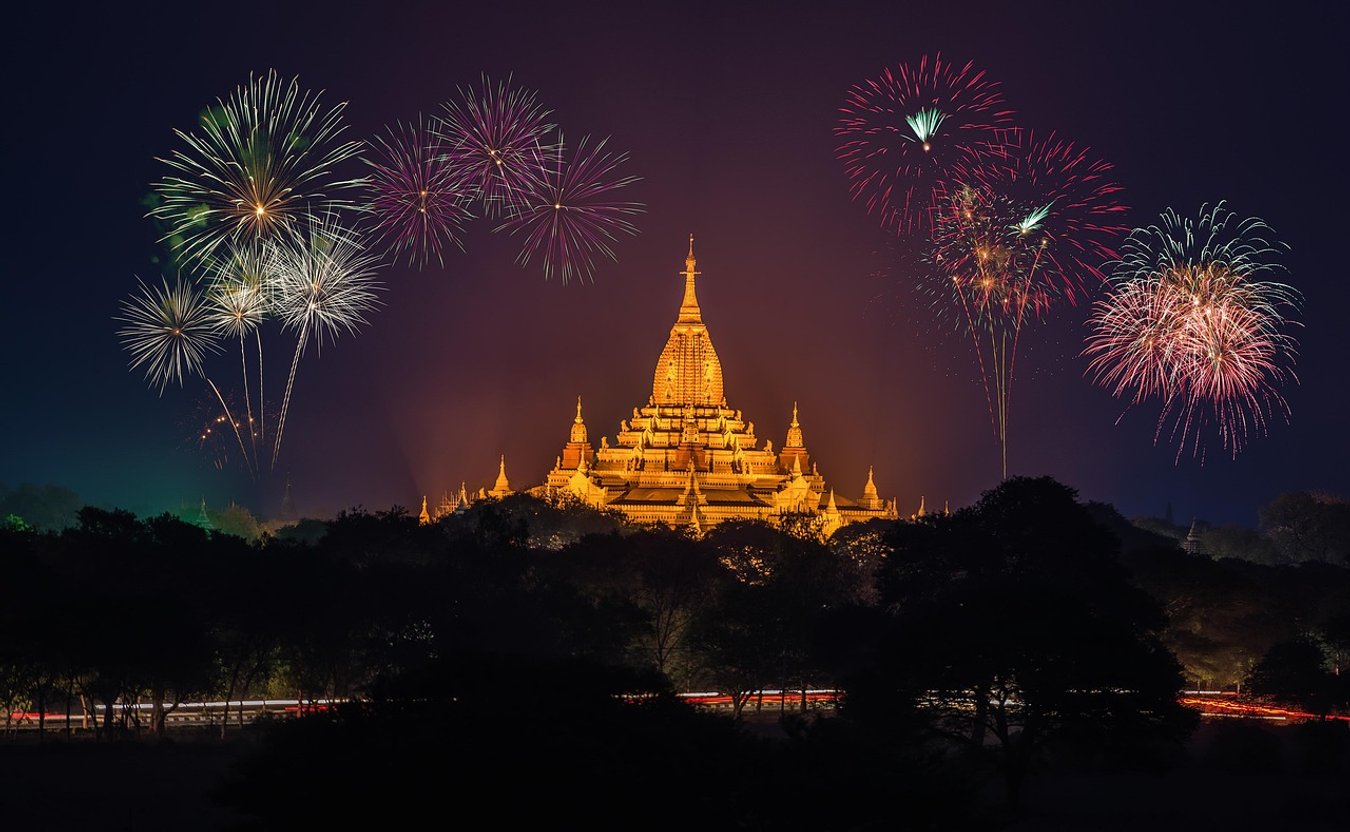
Different parts of Myanmar have developed traditions of their own. In Dawei, offerings in alms bowls are traditionally set afloat at sea, while in Shwegyin, colourful oil lanterns are floated along the river — a custom documented from the Konbaung period.
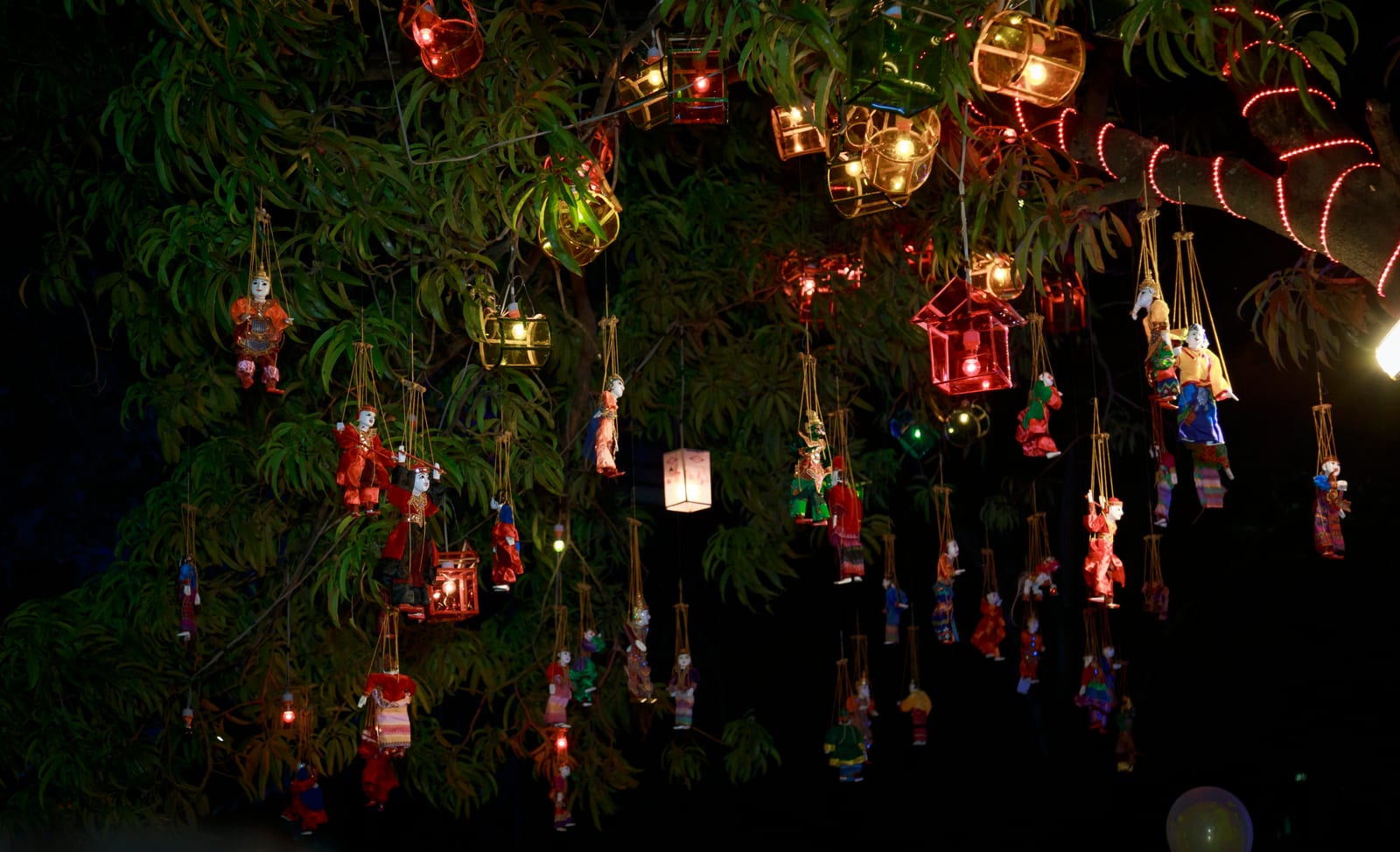
Yet the heart of Thadingyut can often be found somewhere much quieter: a family visiting an elderly relative, children carrying small gifts, or candles glowing outside a home.
Beyond the lights, Thadingyut is a time to remember the people who have guided and cared for us — to show gratitude, ask forgiveness and return that care with respect.