
Kason Full Moon: Water for the Sacred Bodhi Tree
In the second month of Myanmar's lunar calendar comes one of the most important days for Buddhists in the country — marked not with fire hoses or fireworks, but a quiet pot of water poured at the roots of a tree.
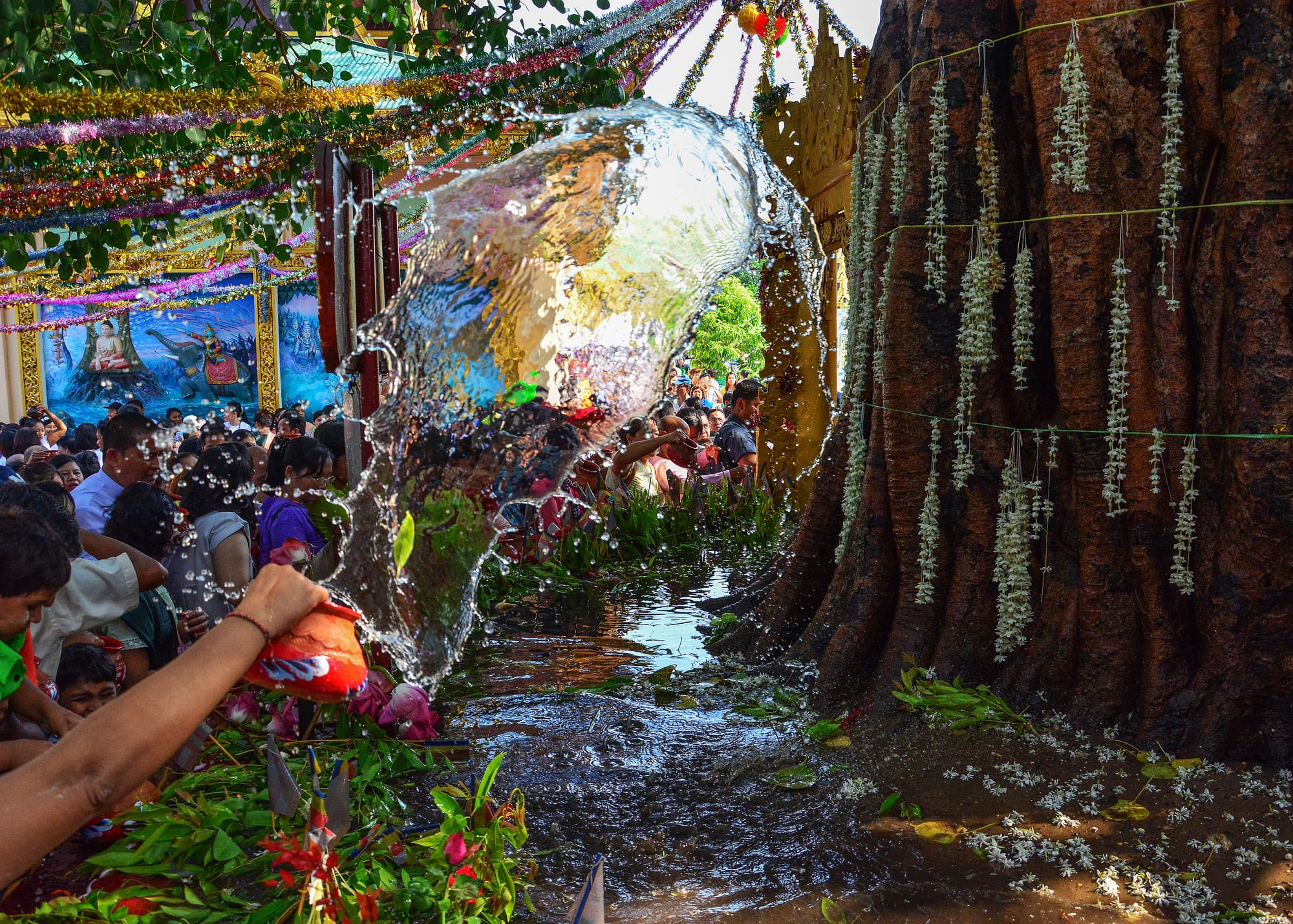
In the second month of Myanmar’s lunar calendar comes the Full Moon of Kason, one of the most important days for Buddhists in Myanmar. It usually falls in April or May and is Myanmar’s observance of Vesak, or Buddha Day.
For Theravada Buddhists, Vesak commemorates three important events in the life of Gautama Buddha: his birth, his attainment of enlightenment, and his passing into Parinirvana. The festival is observed across many Buddhist countries, although traditions vary from place to place.
An old tradition in Myanmar
In Myanmar, Kason has developed a tradition of its own: pouring water on the sacred Bodhi tree.
The custom goes back centuries. The earliest known written reference to Bodhi-tree watering in Myanmar has been found in a Bagan-period stone inscription dated to 1201 CE. Later inscriptions, chronicles and court records show that the practice continued through successive periods of Myanmar history. Kings and their courts participated in the ceremony, but it was never only a royal tradition; ordinary communities also took part.
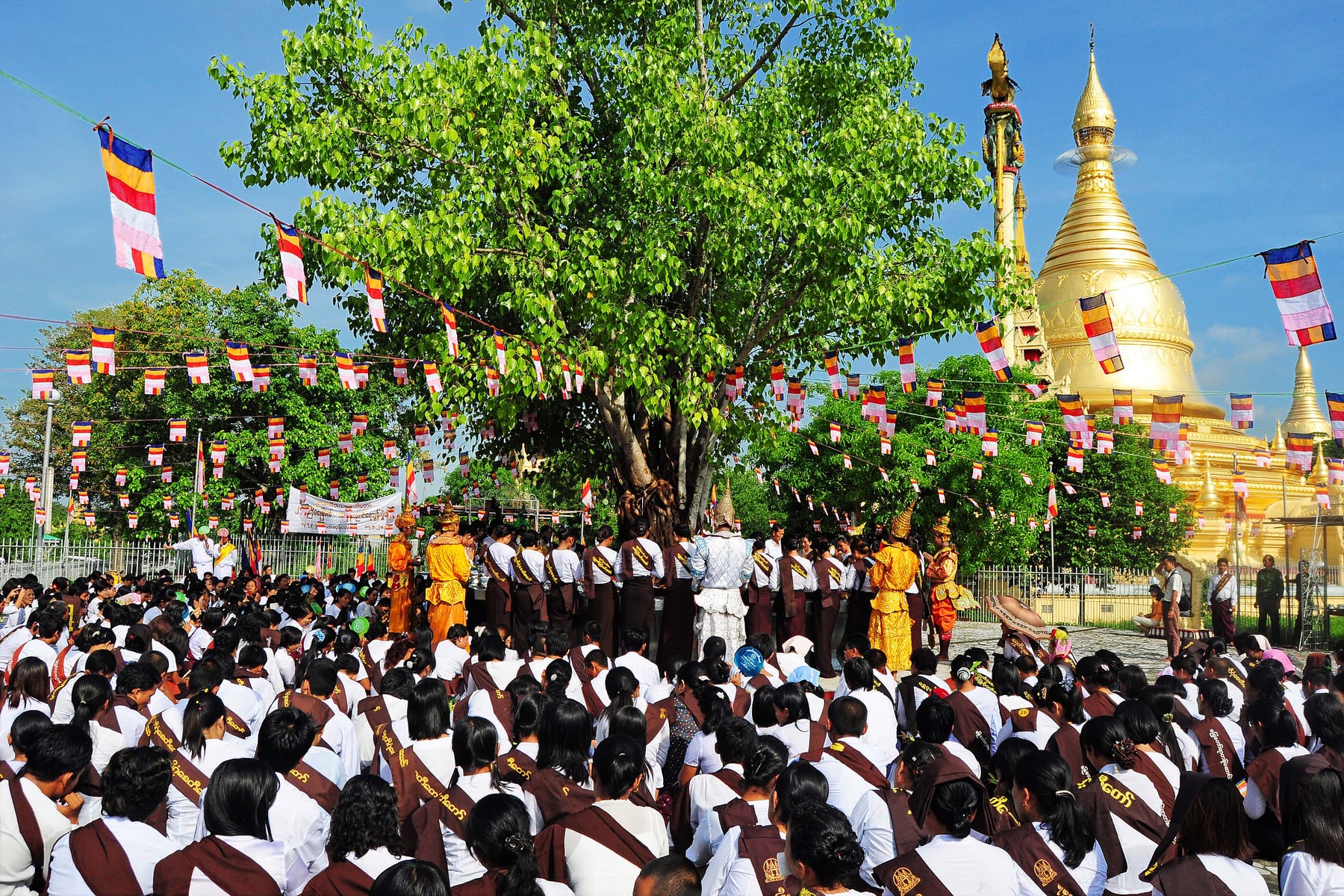
The Bodhi tree holds particular meaning in Buddhism because Gautama Buddha is believed to have attained enlightenment while meditating beneath one at Bodh Gaya.
Kason also arrives during one of Myanmar’s hottest and driest times of the year. Traditionally, people carry pots of cool water to pagodas and monasteries and gently pour it around the roots of Bodhi trees, helping them survive the intense summer heat. What is a simple act of caring for a tree is also an expression of respect and devotion.
A quieter celebration
On Kason Full Moon Day, people visit pagodas and monasteries, make offerings, observe Buddhist precepts and take part in acts of merit. At many pagodas, groups gather together for the Bodhi-tree watering ceremony, garlanding the roots with flowers before the water is poured.
There are no fireworks in this one, no soaked strangers laughing in the street. Compared to Thingyan or Thadingyut, Kason is a quieter festival — but no less felt for it. A pot of water, a walk to the roots of an old tree, and a small act of care repeated by thousands of hands across the country: it is merit-making at its simplest, cool water offered to a tree that has outlived kings, in gratitude for the shade, the story, and the peace it represents.