
Thanaka: The Golden Paste of Myanmar
Made from the bark of a tree and worn for generations, thanaka remains one of Myanmar's most recognisable living traditions.
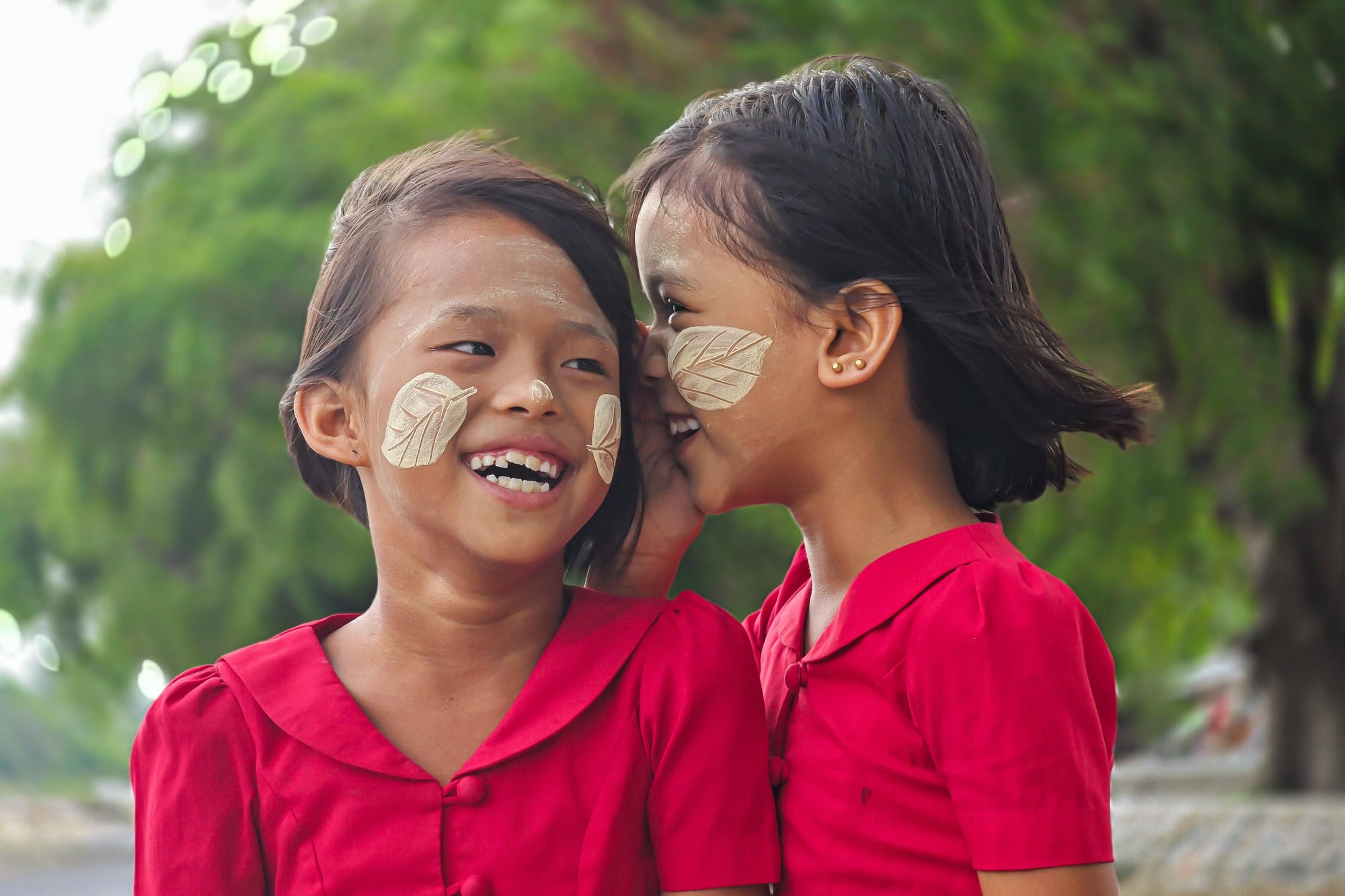
Walk through a market, a village or a neighbourhood in Myanmar and you may notice pale yellow circles or delicate patterns across people’s cheeks. This is thanaka (သနပ်ခါး).
Historical references to the use of thanaka in Myanmar can be traced back for centuries, including traditions associated with the 14th century. Yet this is not a custom that has disappeared into history. Generations later, thanaka remains part of everyday life for many people in Myanmar.
From wood to skin
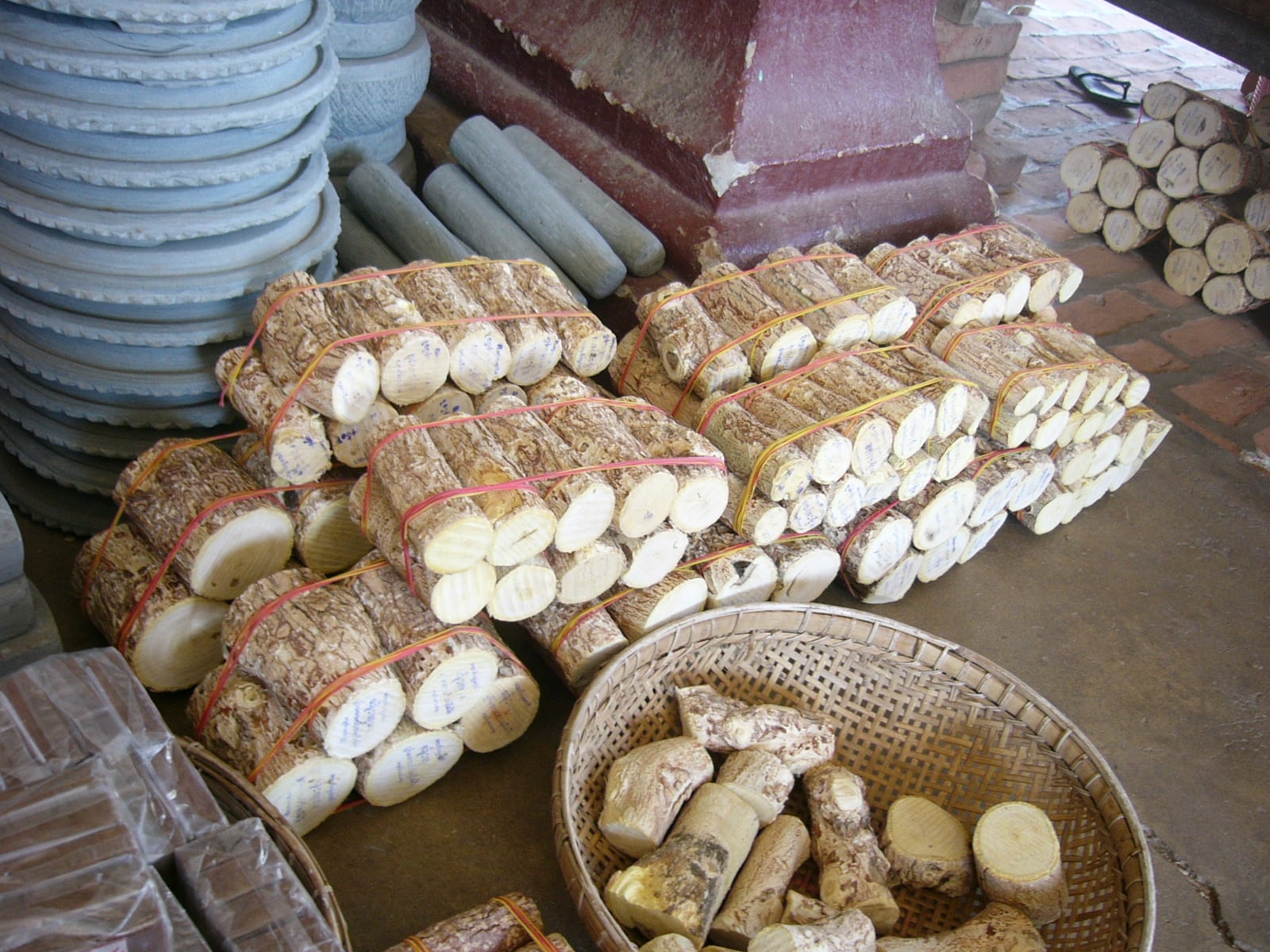
Traditional thanaka begins with a simple piece of wood.
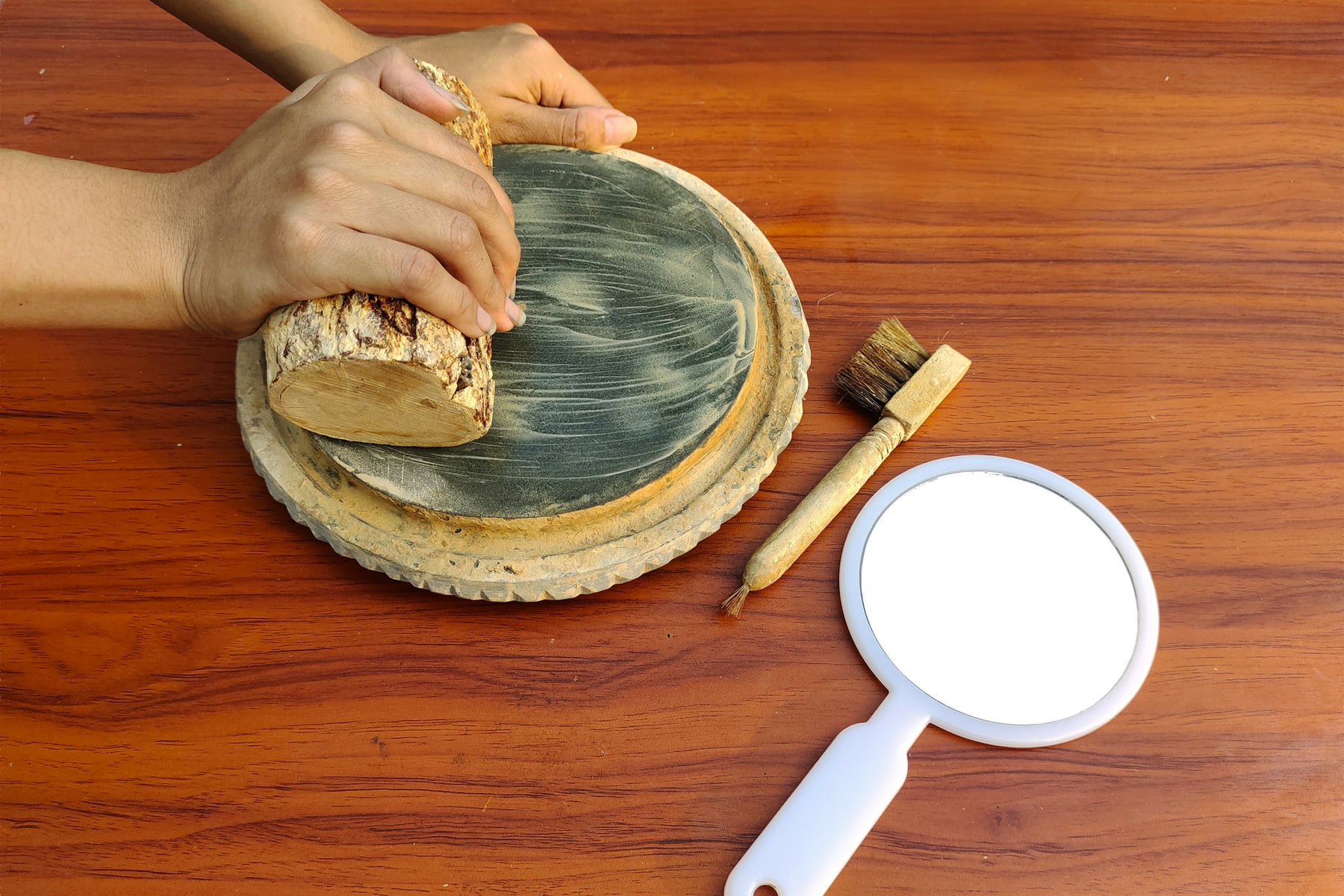
The bark and wood are ground in circular movements on a flat stone slab called a kyauk pyin (ကျောက်ပျဉ်). A little water is added until a smooth yellowish paste forms. It is then applied to the face, often in circles on the cheeks or in decorative patterns such as leaves.
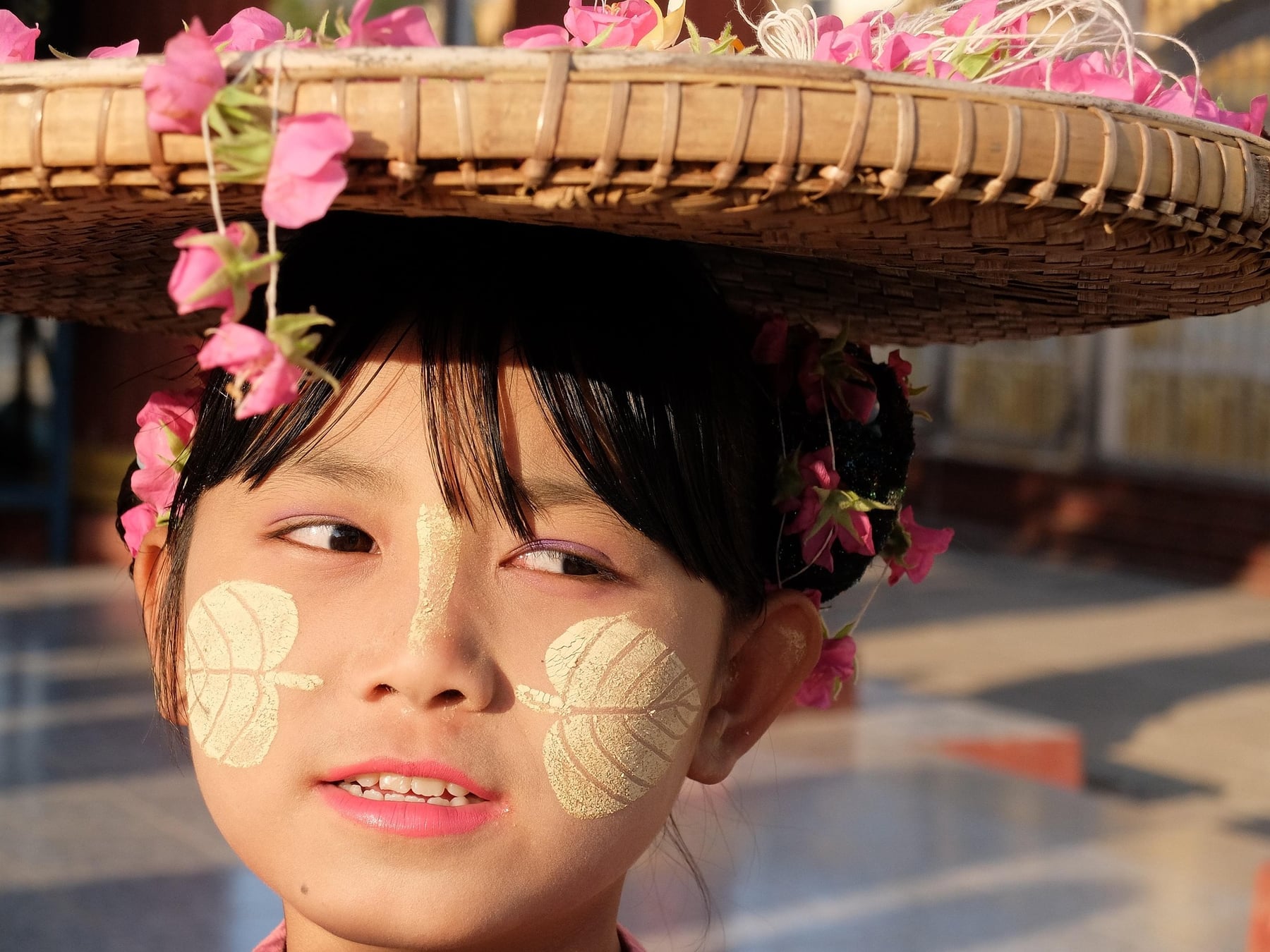
Thanaka has traditionally been valued for beauty, its cooling sensation and its use on skin exposed to Myanmar’s tropical climate.
Interestingly, modern research has provided some scientific support for these traditional uses. A 2010 study by researchers from Chulalongkorn University in Bangkok and the University of London reported antioxidant and anti-inflammatory activity in thanaka bark extracts and identified compounds with UV-absorbing properties.
A tradition still worn today
Long before modern skincare existed, generations in Myanmar had already incorporated thanaka into their daily routines. Science may now help explain some of the properties behind a practice people had valued through experience for centuries.
Today, a mother may still apply thanaka to her child’s face before school, a market seller may wear it throughout the day, and ready-made thanaka pastes and powders have brought the tradition into modern life. Styles and habits may change, but thanaka continues to pass from one generation to the next.
From a piece of wood, a little water and a stone slab comes a tradition that has remained on the faces of Myanmar for centuries — and is still treasured today.