
Before the Day Begins: Myanmar's Morning Breakfast Culture
To understand daily life in Myanmar, start at the breakfast table and the tea shop beside it — where the rhythm of the day, a habit shaped by the colonial era, and a good deal of the country's culture are all set before most cities are properly awake.
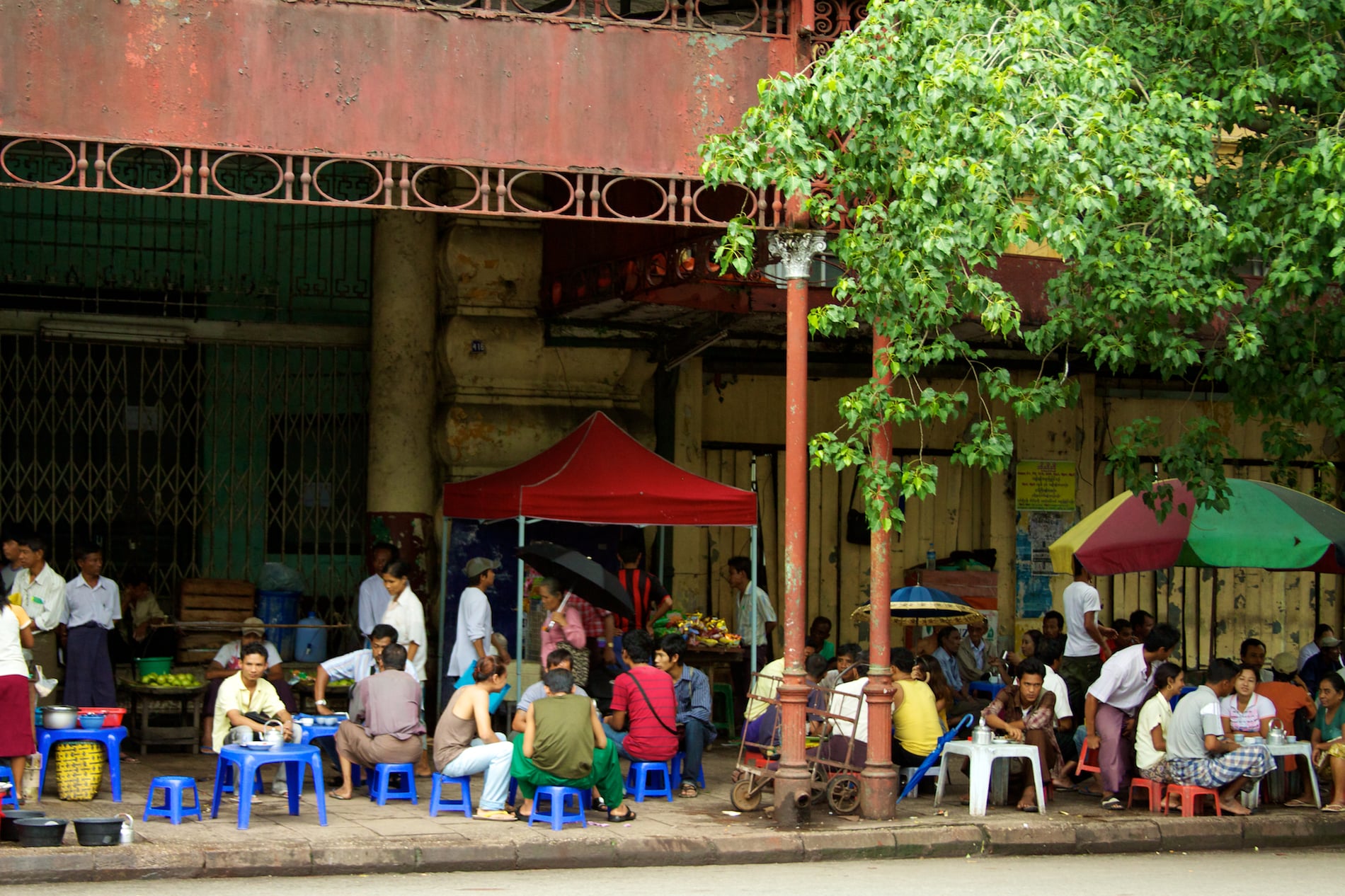
Morning in Myanmar often begins with food — and usually, not a light breakfast.
For many people, breakfast is one of the most important meals of the day. A steaming bowl of mohinga, sweet milk tea, samosas, fried rice, noodles and other freshly cooked dishes are familiar sights in tea shops and street stalls as towns and cities begin to wake. The choices differ from one place to another, and so does the way people live, but the habit of starting the day with a proper meal crosses nearly every walk of life.
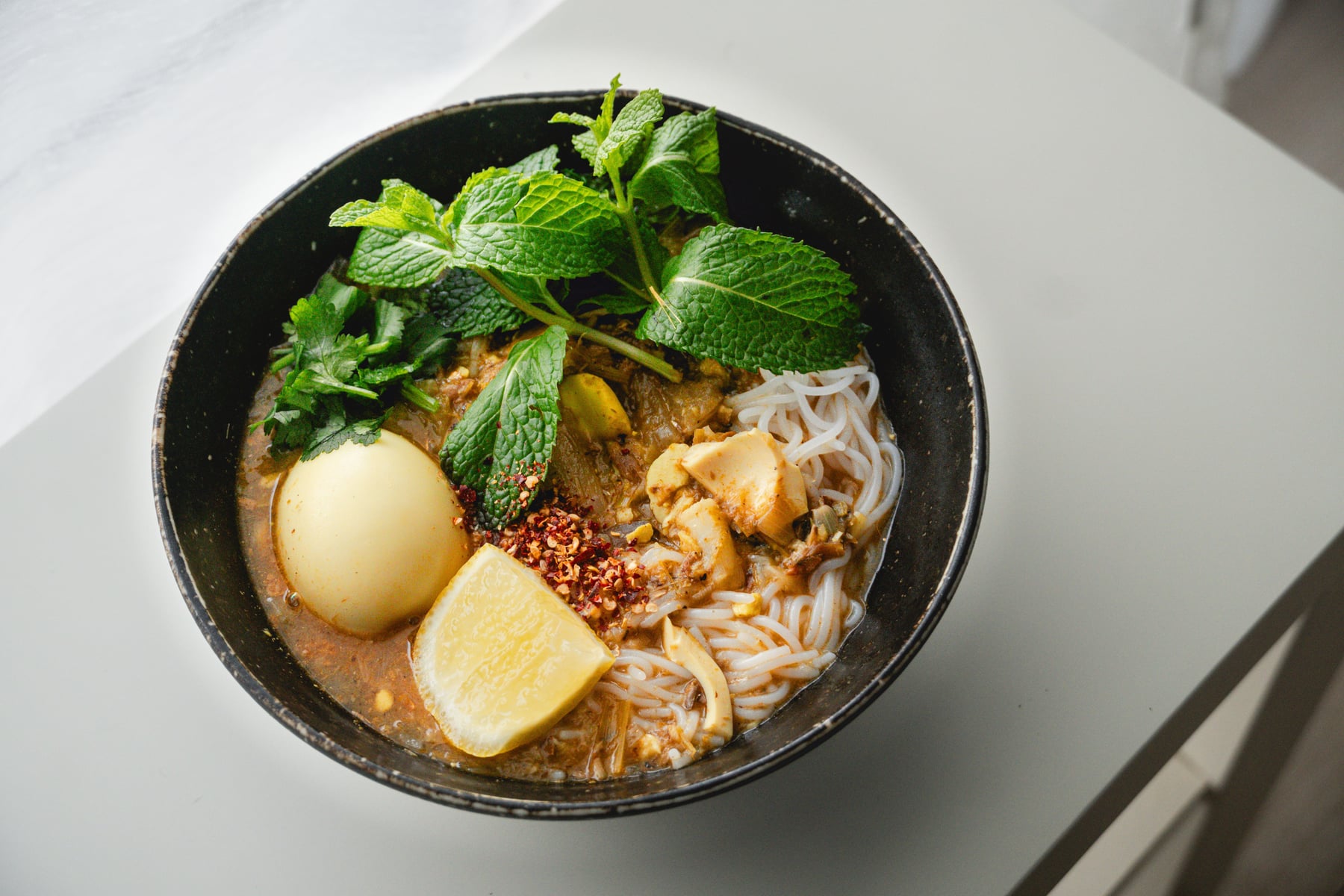
In rural areas, breakfast tends to be simpler and closer to what the previous night left behind. Leftover rice is eaten with leftover curry, or with boiled chickpeas bought from an early-morning vendor who walks through the neighbourhood calling out what is for sale before most households have properly woken. A few freshly fried snacks from a small roadside shop might round out the meal before farmers set off for the fields. It is not a meal built for lingering — there is work waiting, and reaching it on an empty stomach is not really treated as an option.
In the towns and cities, the same hour looks different. A street-side mohinga stall offers a quick, hot bowl before work. At home, rice and yesterday’s curry, eaten standing, might be enough. And for a great many people, the morning properly begins only once they have reached the local tea shop.
A habit shaped by empire
The tea shop itself is a product of history. Tea shop culture took shape during the colonial period, after the British annexation of Lower Burma brought the region more closely into contact with British India. Before then, people mostly drank green tea, plain and unsweetened, the way it is still served alongside a meal in many homes and restaurants today.
Sweetened milk tea arrived with Indian migrants, who settled in growing numbers in Rangoon and other colonial-era port towns from the late nineteenth century onward. Many opened small general stores, known as kaka hsaing, which sold everyday goods alongside cups of tea brewed with condensed and evaporated milk — a format closer to the chai stalls of British India than to the greentea houses that came before. Around the same time, Chinese migrants, many arriving from Fujian, added their own tea traditions and food stalls to Rangoon’s streets, part of the same wave of migration that made the colonial city one of the most ethnically mixed in the region.
Out of that mix, something distinctly Burmese took shape. The tea shop was never simply transplanted from India or China — it absorbed both influences and became its own institution, serving Burmese snacks and dishes alongside the tea, and functioning as a gathering place in a way that outlived the empire that helped create it. By the time Myanmar gained independence, tea shops were already a fixture of urban life in Rangoon, and over the following decades the habit spread to towns and villages across the country.
More than breakfast
A Myanmar tea shop is rarely just somewhere to drink tea.
By early morning, the tables begin to fill. Friends meet before work. Business partners talk over cups of hot milk tea. Regular customers settle into their usual seats, while others come simply for the food and the atmosphere. There is rarely much silence. Orders are called across the room, waiters move quickly between crowded tables carrying tea and plates of food, and conversations overlap in every direction. Cups clink against saucers. Someone arrives and pulls up another chair. A table that has already eaten decides to order one more plate to share, because the conversation is not finished yet.
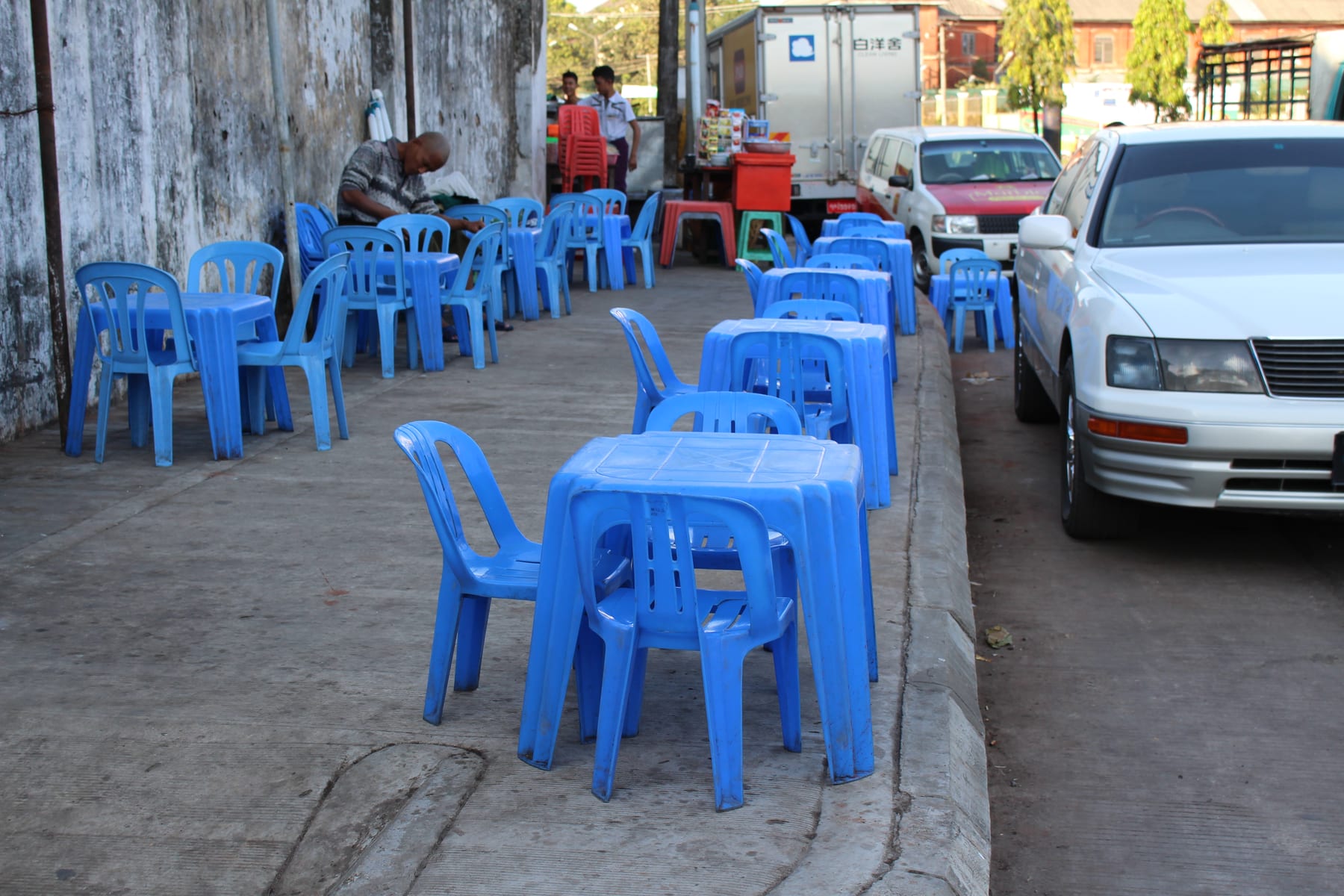
A usual order is lahpet yay cho, strong black tea mixed with condensed and evaporated milk — the direct descendant of what those early kaka hsaing stalls once served. Some prefer it sweeter; others like a stronger tea flavour. Alongside it might be a flaky palata, related to Indian paratha and one more small reminder of the journeys behind these familiar foods, or a samosa, steamed bun or bowl of noodles — whatever local specialty the shop is known for. Some customers stay only long enough to eat. Others linger over a second or third cup, talking long after the food is gone.
This is what makes the tea shop part of everyday culture rather than simply a place to buy a meal. It functions as a breakfast counter, a meeting place, and — for a surprising number of small transactions and quiet negotiations — something like an informal office. It is where news travels before it reaches anywhere official, where a family occasion gets discussed before it is announced, and where an ordinary weekday morning gets its shape.
Out on the street
Tea shops are only part of the picture. Outside, stalls offer salads, crispy fritters and small sweet snacks, and street food has a long history of its own here: accounts from 1878 describe night bazaars selling fruit, cakes and fermented tea leaves, decades before the tea shop as it exists today had fully taken shape.
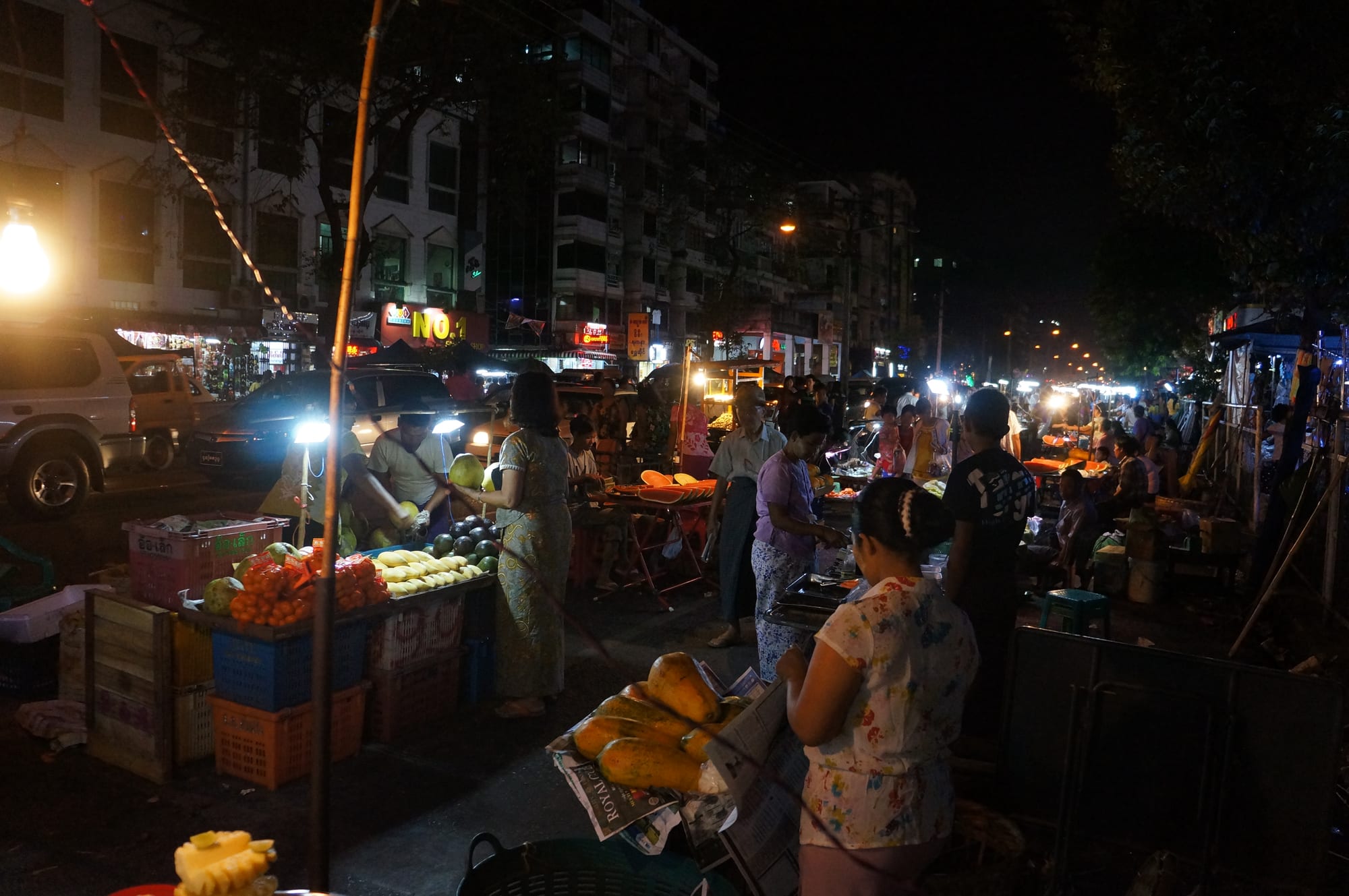
For the customer, a stall might mean a quick bite on the way home. For the person preparing it, that same stall is a workplace and a livelihood. These everyday exchanges, as much as anything served at a tea shop table, give Myanmar’s food streets their human story, one order and one conversation at a time.
Different tables, the same beginning
The surroundings can look very different from one breakfast to the next — a crowded tea shop table in Yangon, a bowl of mohinga eaten standing by the road, or rice finished quickly at home before the walk to the fields — but the underlying idea barely changes: eat properly before the work of the day begins.
Breakfast in Myanmar, in other words, tells a story that goes beyond what is on the plate. In those early hours, food, conversation, and daily routine come together, and in that small overlap is a fair introduction to how the country actually lives — not the version seen from a temple platform or a tour bus window, but the one that starts, every single morning, at a table.
Before offices open, before the fields fill with workers, and before the streets reach their busiest, Myanmar is already awake. Breakfast is already on the table.
Updated 23 October 2026.