
Shinbyu: When a Boy Wears the Robe
For many Buddhist families in Myanmar, a son's first days in monastic robes mark one of the most treasured occasions in family life.
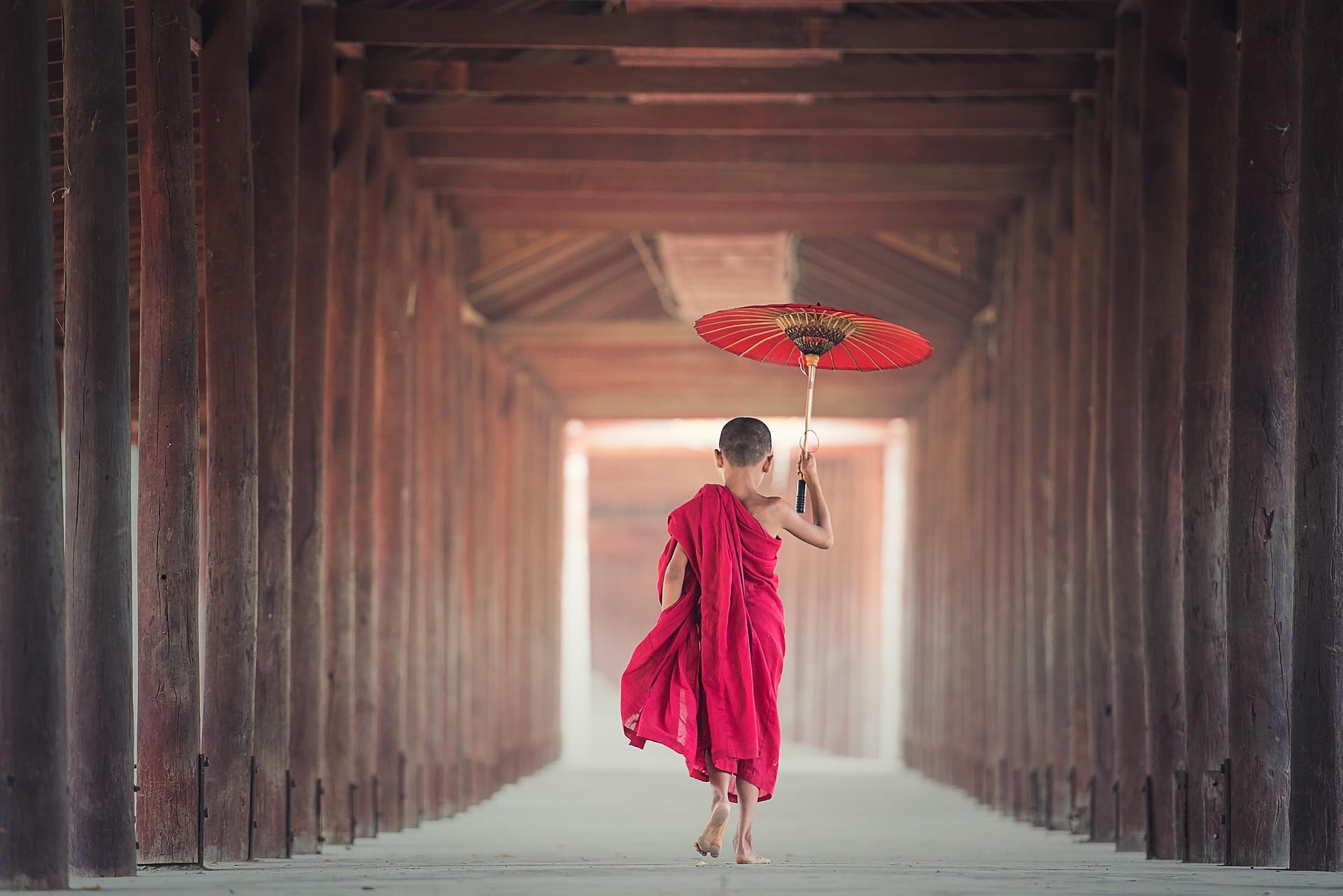
There comes a time in many Buddhist families in Myanmar when a young boy exchanges his everyday clothes for the deep-coloured robes of a novice monk. The occasion is called shinbyu (ရှင်ပြု) — the traditional novice ordination ceremony.
For the family, it can be a deeply meaningful moment. Parents and grandparents prepare for it with pride, relatives gather, neighbours come to help, and a boy who may normally spend his days playing with friends enters the monastery to experience, even briefly, a very different way of life.
For some boys it lasts only a few days. Others may remain for weeks or longer. But however short the stay, the memory can remain for a lifetime.
A celebration shared by the community
In rural Myanmar, a shinbyu can become an occasion for much more than one household.
When a family has the means to hold a large ceremony, relatives and neighbours may join in the preparations. Food is cooked in enormous quantities. People help with serving, carrying, cleaning and welcoming guests. In some communities, celebrations and religious offerings can continue over several days. For a village, it can become a time of gathering and shared happiness.
The scale, however, is not what gives shinbyu its meaning. Families celebrate according to what they can afford, and a modest ordination carries the same religious purpose.
City life has changed the way some families organise the occasion. Rather than holding a large village celebration, parents may bring their son to a monastery, make offerings to the monks and prepare food for relatives and others attending. The setting changes. The tradition continues.
Learning a different way of life
Once ordained, the boy becomes a novice monk, or sāmaṇera.
For those few days or weeks, ordinary routines are replaced by monastic ones. The novice wears robes, follows monastic discipline and begins learning Buddhist teachings and recitations under the guidance of senior monks. For a young boy, it can be his first close experience of a life centred on simplicity, discipline and religious study.
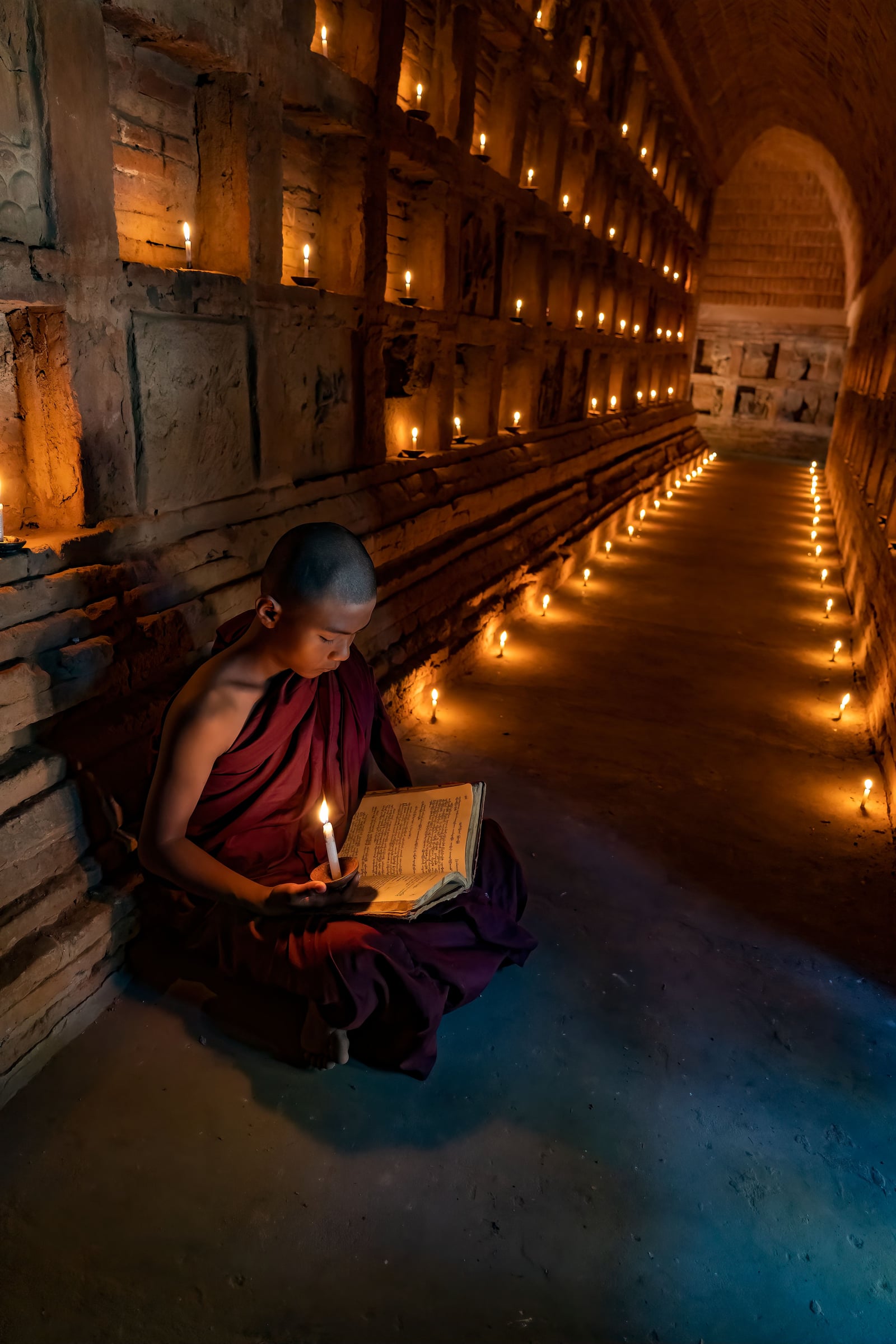
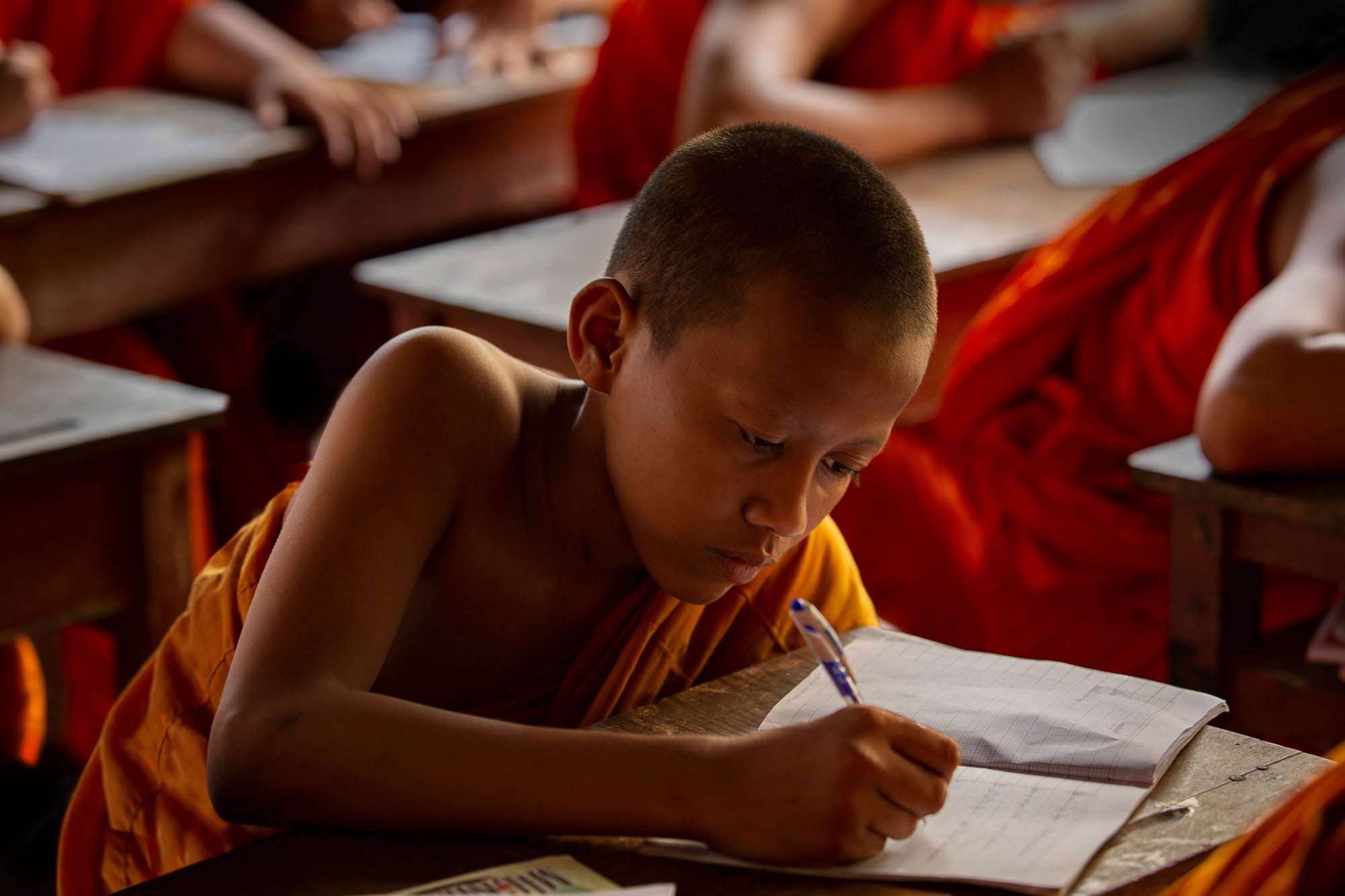
Most eventually remove the robes and return home — to family, school and ordinary childhood. But not everyone does. Some discover that monastic life is the path they wish to continue. They may remain novices for many years and, when old enough, seek full ordination as monks. Some spend their lives studying and teaching Buddhism, and a few eventually become respected senior monks or abbots responsible for monasteries and the communities around them.
A tradition passed forward
Myanmar has changed through generations, and the way shinbyu is celebrated has changed with it. A large procession through a rural village and a quieter ordination at a city monastery may look very different. Families today may celebrate more simply than generations before them.
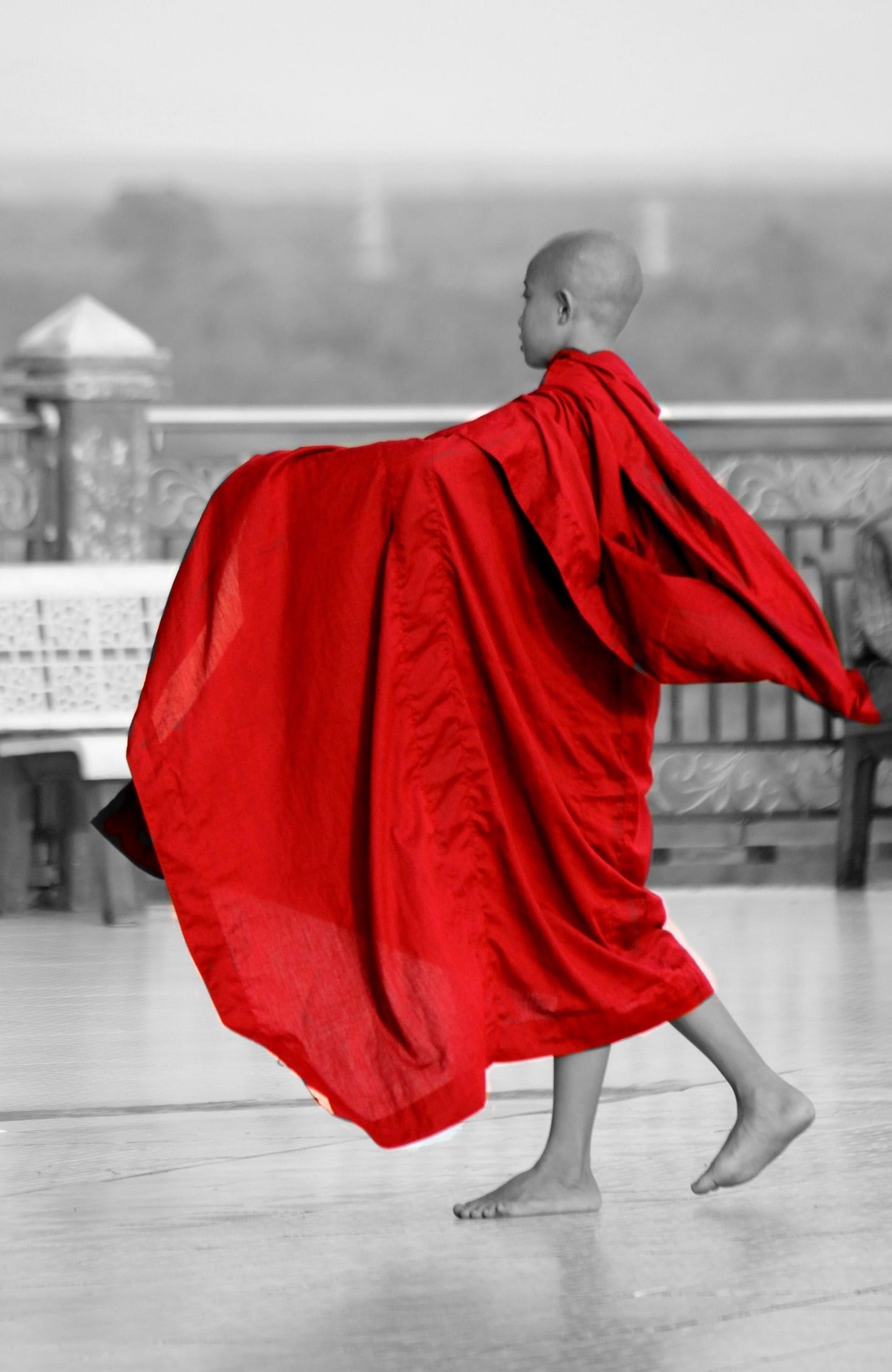
Yet the sight at the centre of the occasion remains remarkably familiar: a young boy wearing the robes for the first time. For his family, it is more than a ceremony. It connects one generation with another and introduces a child, however briefly, to a way of life that has shaped Buddhist communities in Myanmar for centuries.
Some boys will wear the robe for only a few days. Some will wear it for much longer. And for a small number, those first days as a novice will become the beginning of a lifetime in the monastery.