Longyi: A Tradition Still Worn
From everyday streets to weddings and ceremonies, the longyi remains one of Myanmar's most enduring forms of dress.
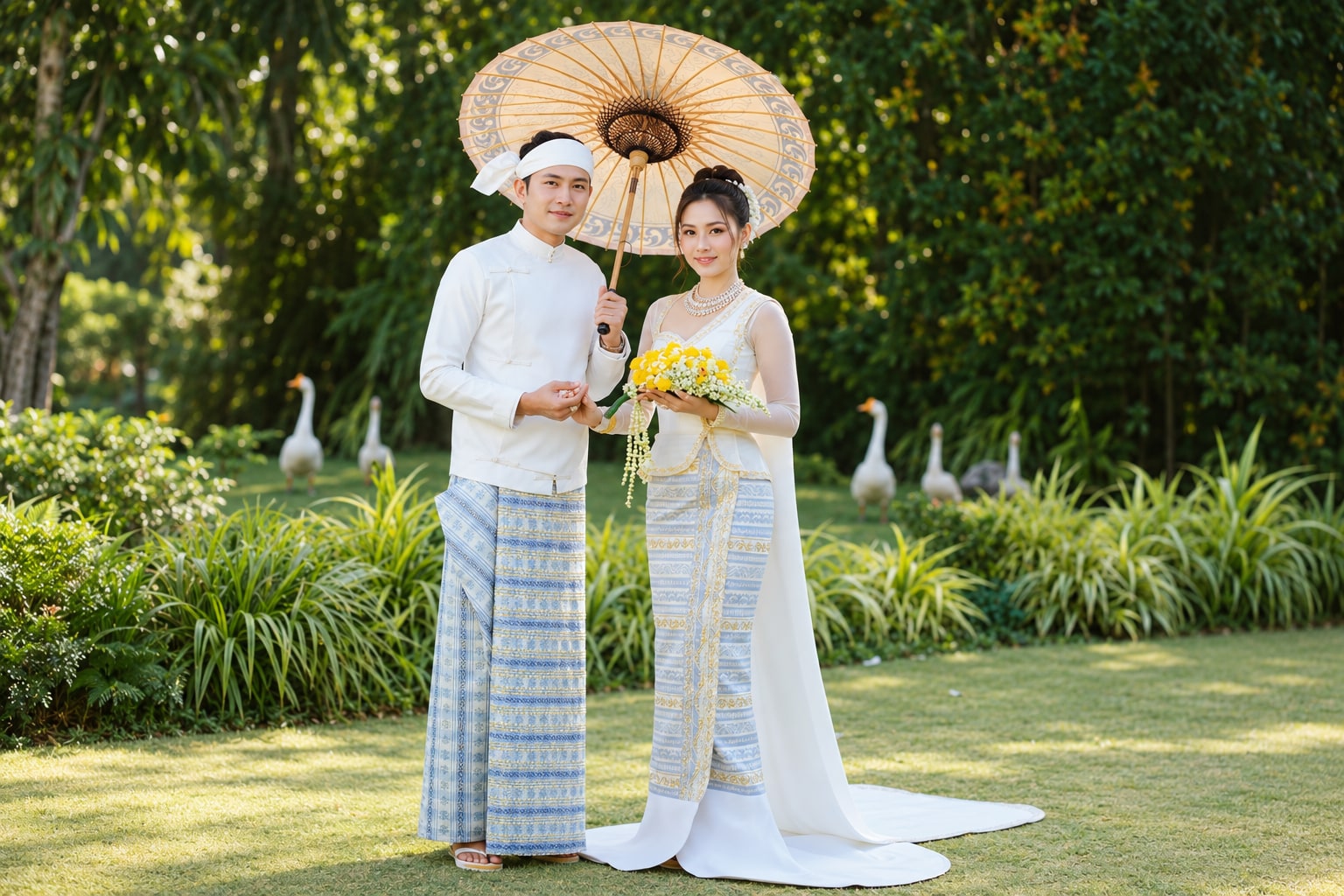
In a world where traditional clothing is often reserved for festivals and ceremonies, Myanmar’s longyi (လုံချည်) is different.
It is still worn.
The longyi is a cylindrical piece of cloth wrapped around the waist and worn by both men and women. Men’s longyis are traditionally associated with the paso, while women’s are associated with the htamein. The way each is tied and the patterns chosen can differ.
From royal courts to modern life
Clothing in precolonial Myanmar was often more elaborate than the longyi familiar today. Men’s paso could use considerable lengths of fabric, while women’s htamein had different construction and decorative elements. During the colonial period, a simpler cylindrical form became increasingly popular because it was practical and comfortable to wear.
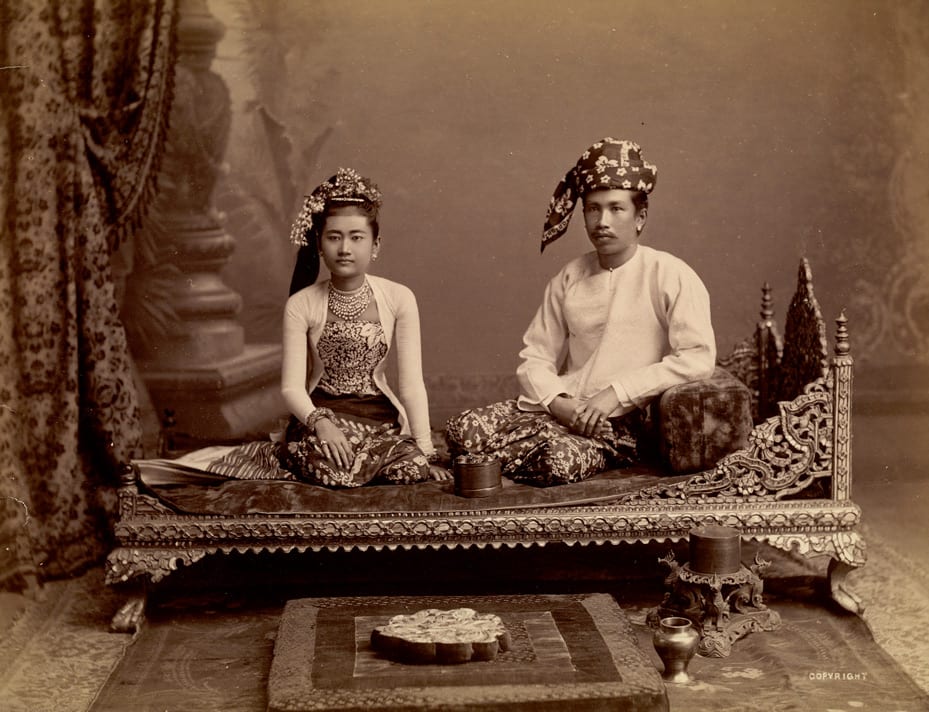
Over time, styles changed, but the tradition of wrapped clothing remained.
Today, trousers, jeans, dresses and international fashion are common, particularly in cities. Yet the longyi has never disappeared. It can still be seen in homes, markets and workplaces, and it remains especially important for weddings, religious occasions, ceremonies and formal events.
For special occasions, the fabrics become more elaborate. Women may choose beautifully woven silk htamein, while men may pair a paso with a traditional jacket. One particularly distinctive textile is acheik, known for its intricate wave-like woven patterns and long association with traditional Burmese dress.
A tradition that moves with time
Perhaps the longyi has survived because it never stopped being useful.
It suits Myanmar’s warm climate, can be dressed simply for an ordinary day or elegantly for an important occasion, and continues to change with fashion.
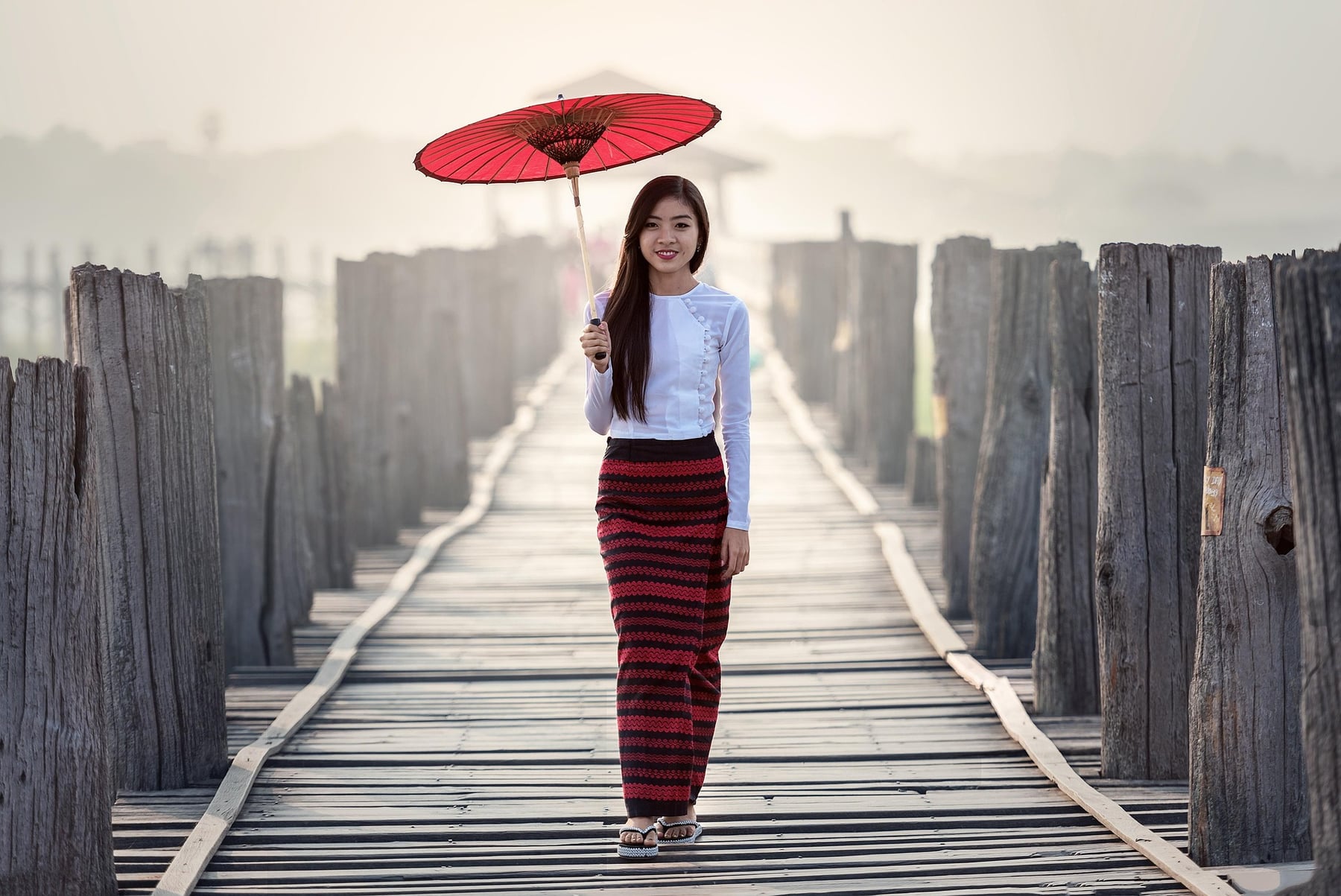
A young person may wear jeans during the week and choose a longyi for a wedding. Traditional fabrics may be paired with modern blouses and hairstyles. Colours and patterns change from one generation to another.
The longyi did not survive by remaining unchanged. It survived by changing with the people who continued to wear it.
And that makes it more than a traditional costume. It is a piece of Myanmar’s cultural history that is still being worn today.