
Sapphires & Other Gemstones: Myanmar's Colours Beneath the Earth
Blue sapphire, bright pink spinel and fresh green peridot reveal another side of Myanmar's gemstone heritage — a variety of colour held within one small part of the country.
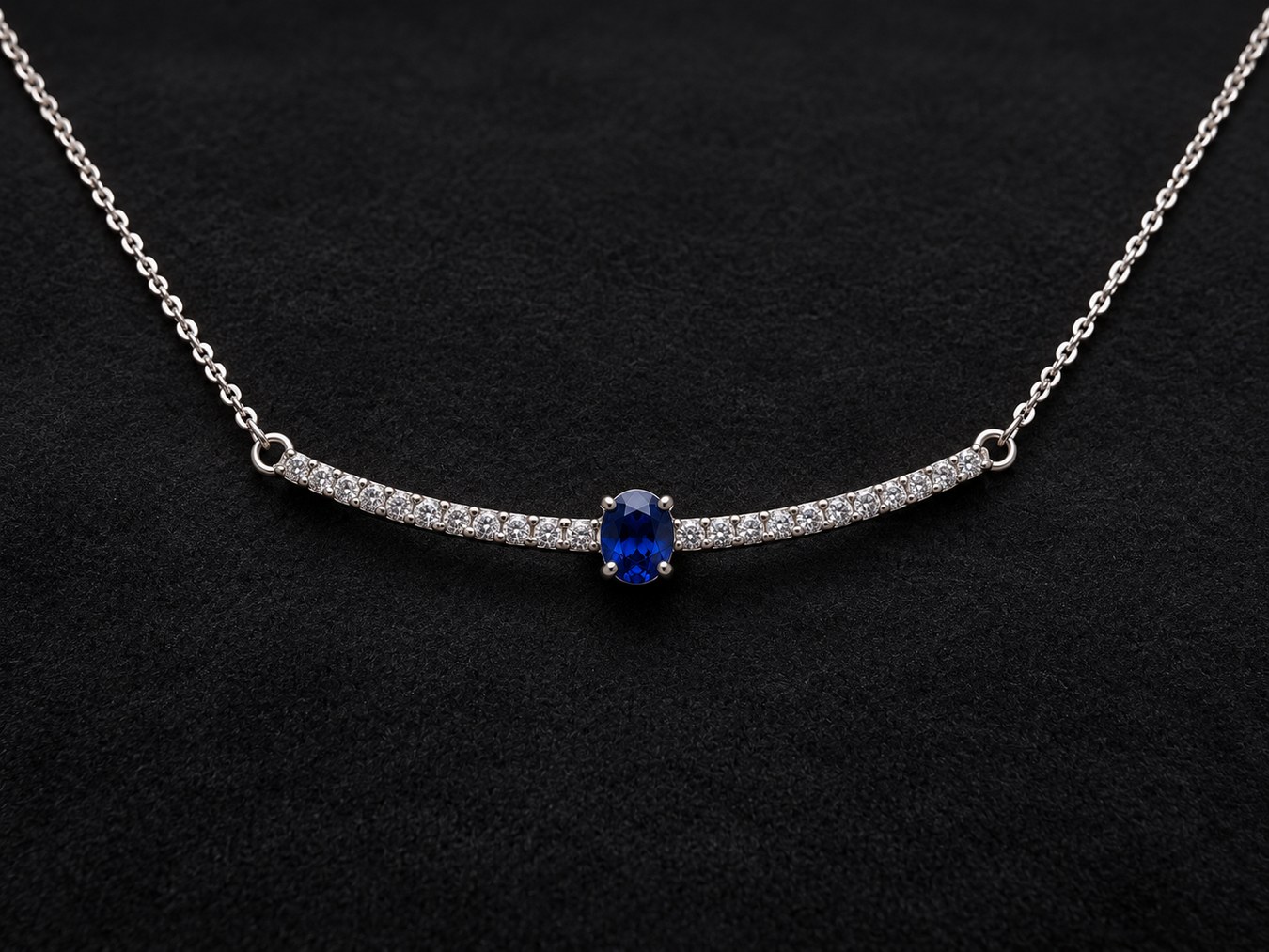
Blue sapphire, bright pink spinel and fresh green peridot reveal another side of Myanmar’s gemstone heritage. In the hills around Mogok, these stones occur alongside the rubies that made the region famous. Together, they show the remarkable variety held within this small part of the country.
The blue beauty of Myanmar sapphires
Mogok is one of the world’s oldest sapphire sources. Its finest blue stones are highly regarded among gem specialists, with colours ranging from pale icy blue and soft periwinkle to deep navy. Exceptional examples have a rich, intense blue, sometimes touched with violet. Sapphire-producing areas include Baw Mar near Kyatpyin and the surroundings of Pein-Pyit, northeast of Mogok.
Sapphire belongs to the same mineral species as ruby: corundum. Small amounts of iron and titanium give blue sapphire its colour. It is a striking thought that such tiny ingredients within a crystal can create a blue that holds the eye so completely.
A star within the stone
Some sapphires hold another surprise. When cut with a smooth, rounded top, they can reveal a star-shaped pattern under a direct light. This effect, called asterism, comes from light reflecting off tiny, aligned needle-like inclusions inside the stone. The star usually has six rays.
Fine star sapphires have been reported near Kin, in the western Mogok region. Their appeal invites a slower kind of looking: turning the stone, finding the light, and watching the star come into view.
Spinel, with a beauty of its own
Spinel is another important gem from Mogok. Its presence adds further colour to Myanmar’s natural heritage.
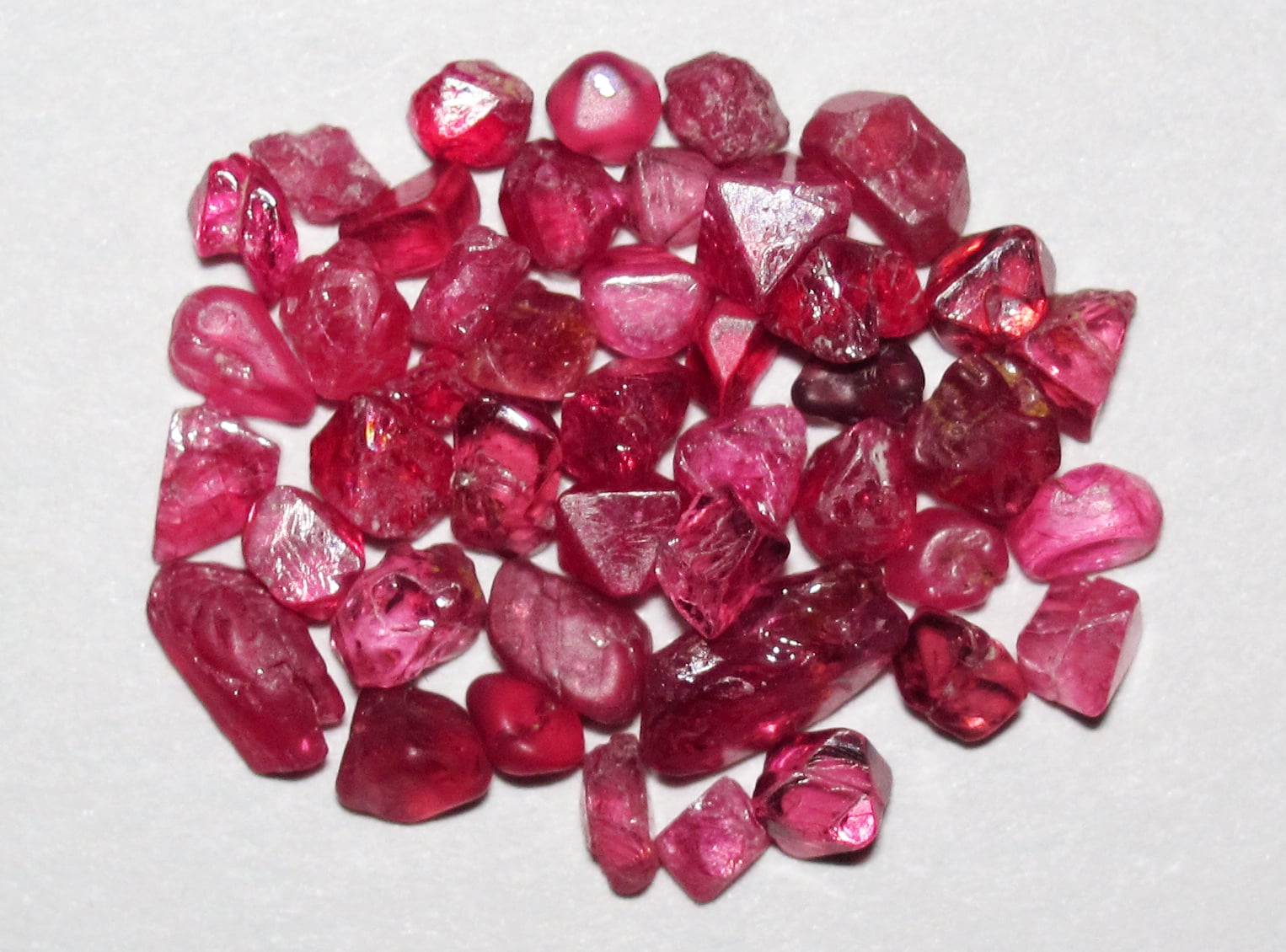
As a mineral, spinel can occur in vivid pink, red, purple, blue and other shades. Chromium gives red and pink varieties their colour. Some natural spinel crystals form an eight-sided shape resembling two small pyramids joined at their bases, already neatly shaped before a cutter touches them.
There is beauty in both stages: the crystal as it grew within the earth, and the finished gem whose carefully cut surfaces catch the light.
Peridot and the lesser-known treasures
Around Bernardmyo, north of Mogok, peridot deposits add green to the region’s gemstone palette. Mogok is also associated with rare collector minerals such as painite and johachidolite, names less familiar than ruby or sapphire but part of its extraordinary mineral variety.
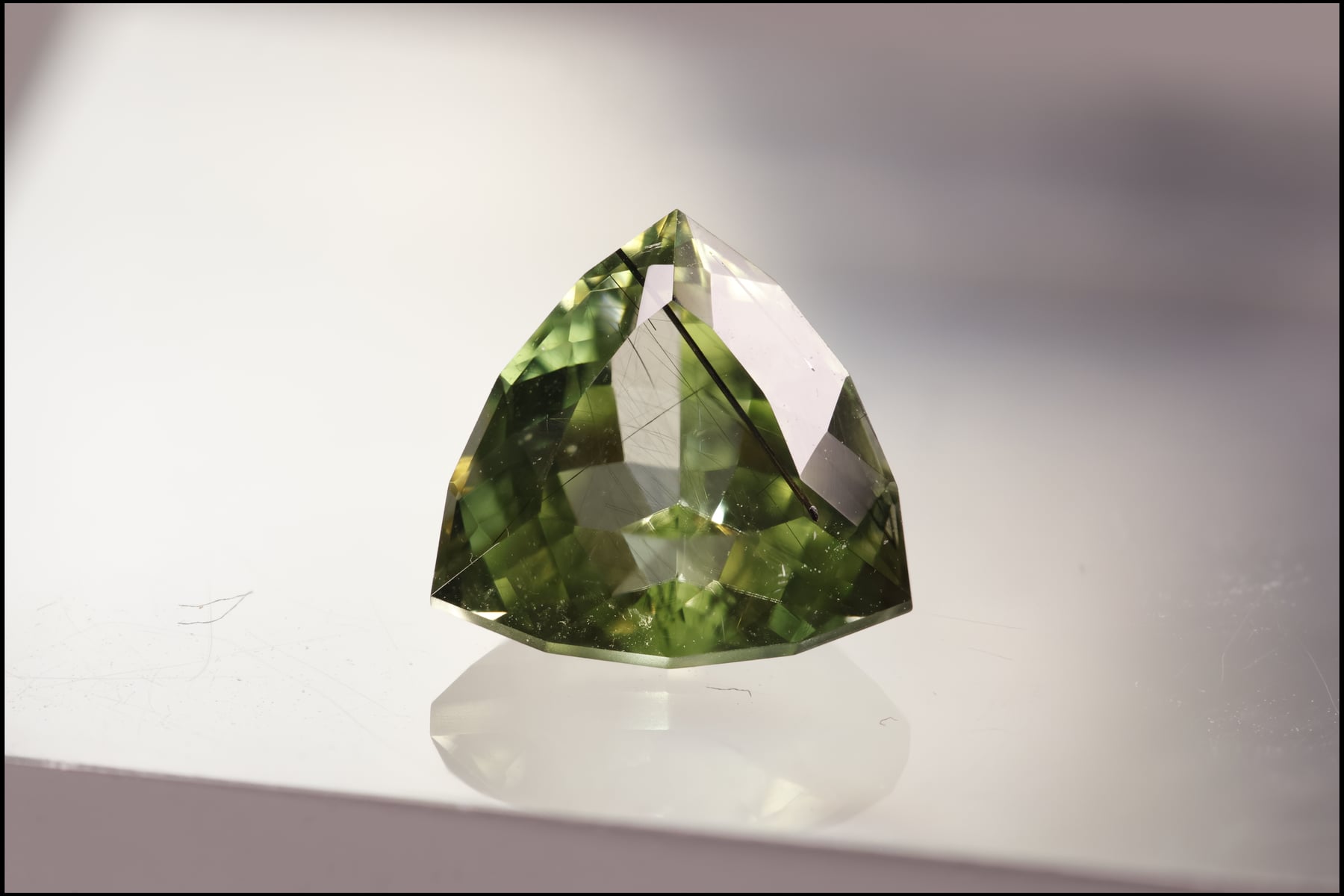
These lesser-known stones give the story room to grow. Myanmar’s gem heritage includes discoveries that interest mineral researchers and collectors, as well as stones selected for jewellery.
A heritage of observation and skill
A rough gemstone asks for careful attention. A cutter must consider its shape, colour and internal features before deciding how to work with it. A star sapphire offers a clear example: the right rounded cut helps reveal an effect that would otherwise be easy to miss.
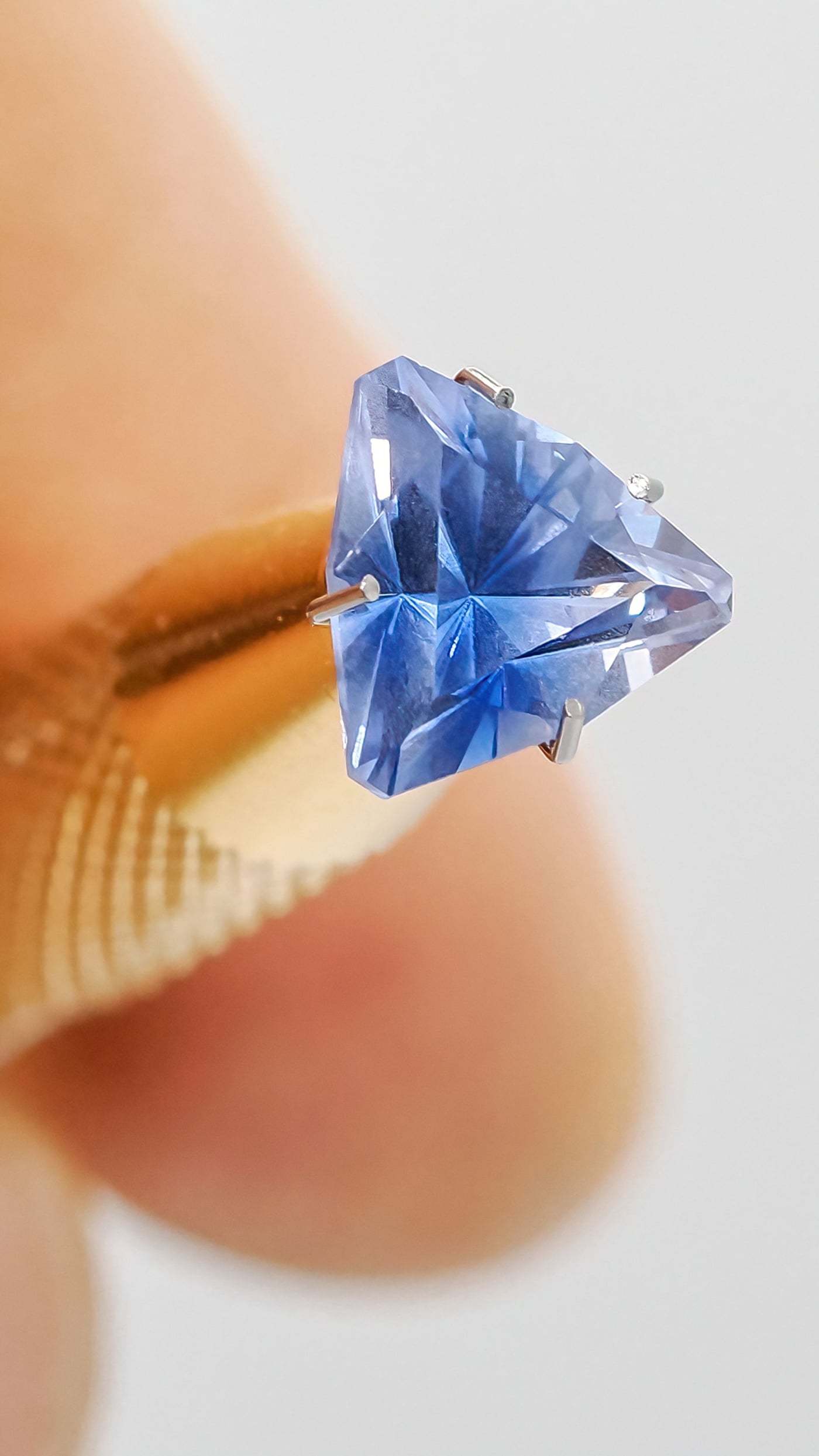
For Myanmar, these gems are a distinctive part of its natural heritage. Their story also belongs to the people who find, examine, cut and trade them. Looking beyond the finished jewel brings those connections into focus.
A blue sapphire or a pink spinel may be small enough to rest on a fingertip. Yet each offers a glimpse of the variety beneath Myanmar’s earth, and a reason to look a little closer.