Famous Jewellery Made with Myanmar Rubies and Jadeite
From Queen Elizabeth II's Burmese Ruby Tiara to the Sunrise Ruby and the Hutton-Mdivani necklace, these famous jewels carry Myanmar's rubies and jadeite far beyond the country's borders.
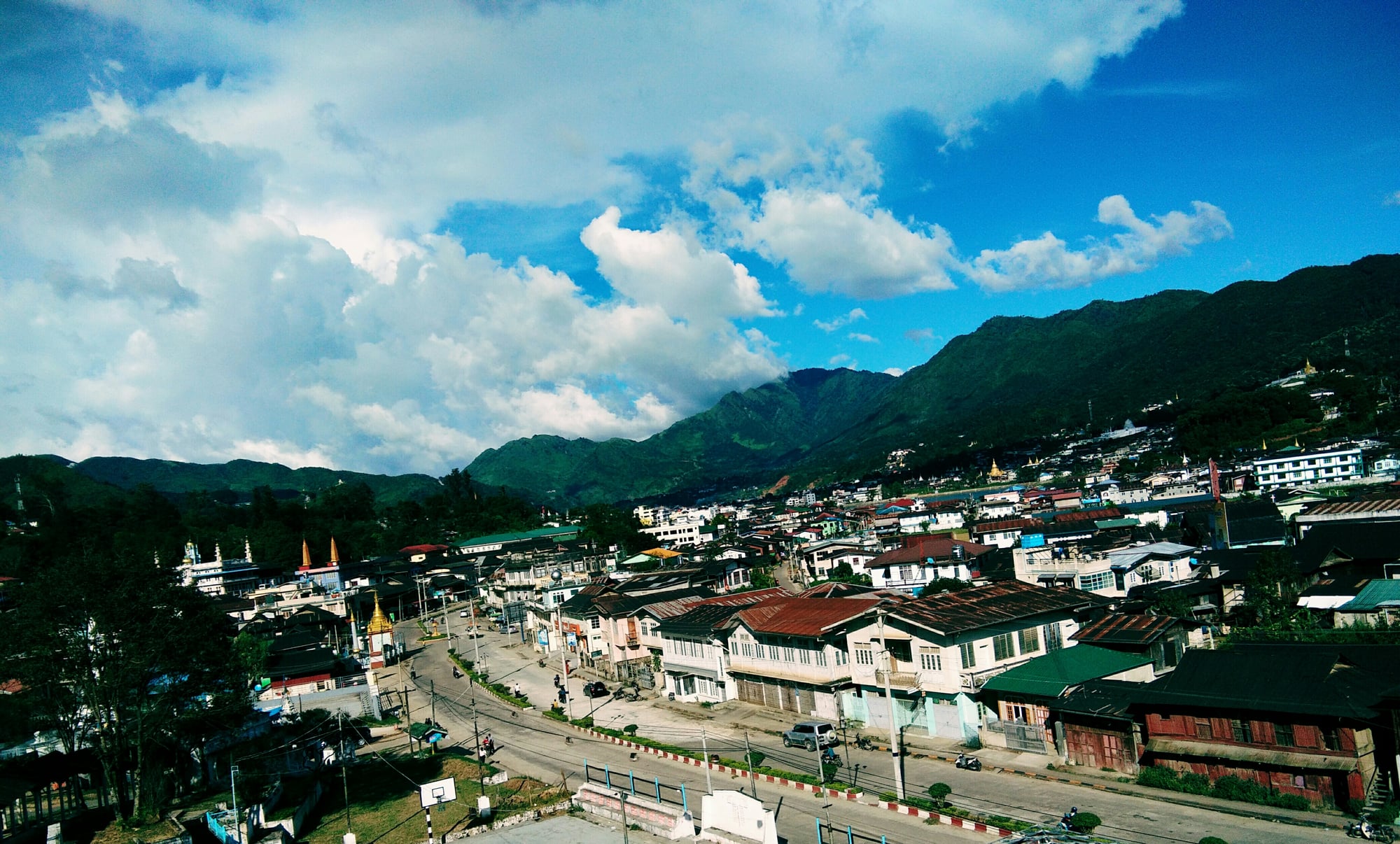
For centuries, the name Myanmar has travelled through the world of fine jewellery in the deep red of its rubies and the rich green of its jadeite. The Mogok region is especially associated with rubies, while Myanmar jadeite became prized by Chinese imperial courts and, later, by international jewellers.
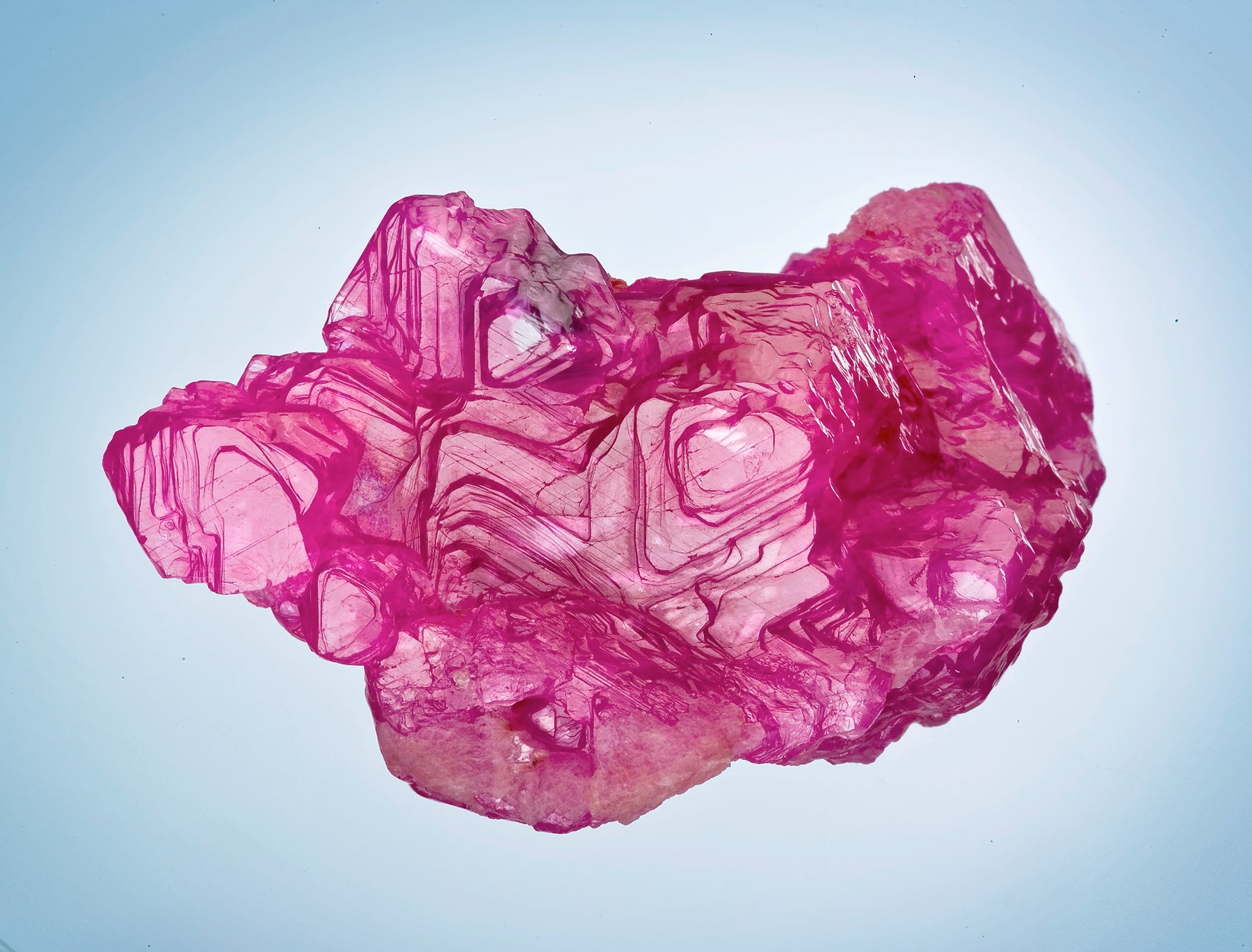
Some famous pieces have a direct gemological link: laboratory reports identify their stones as Burmese, the historic name used for gems from Myanmar. Other jewels are connected to Myanmar through their documented gift history or through the wider jadeite trade. That distinction matters. A jewel can carry a strong Myanmar story without every stone having a published mine-of-origin report.
The Burmese Ruby Tiara
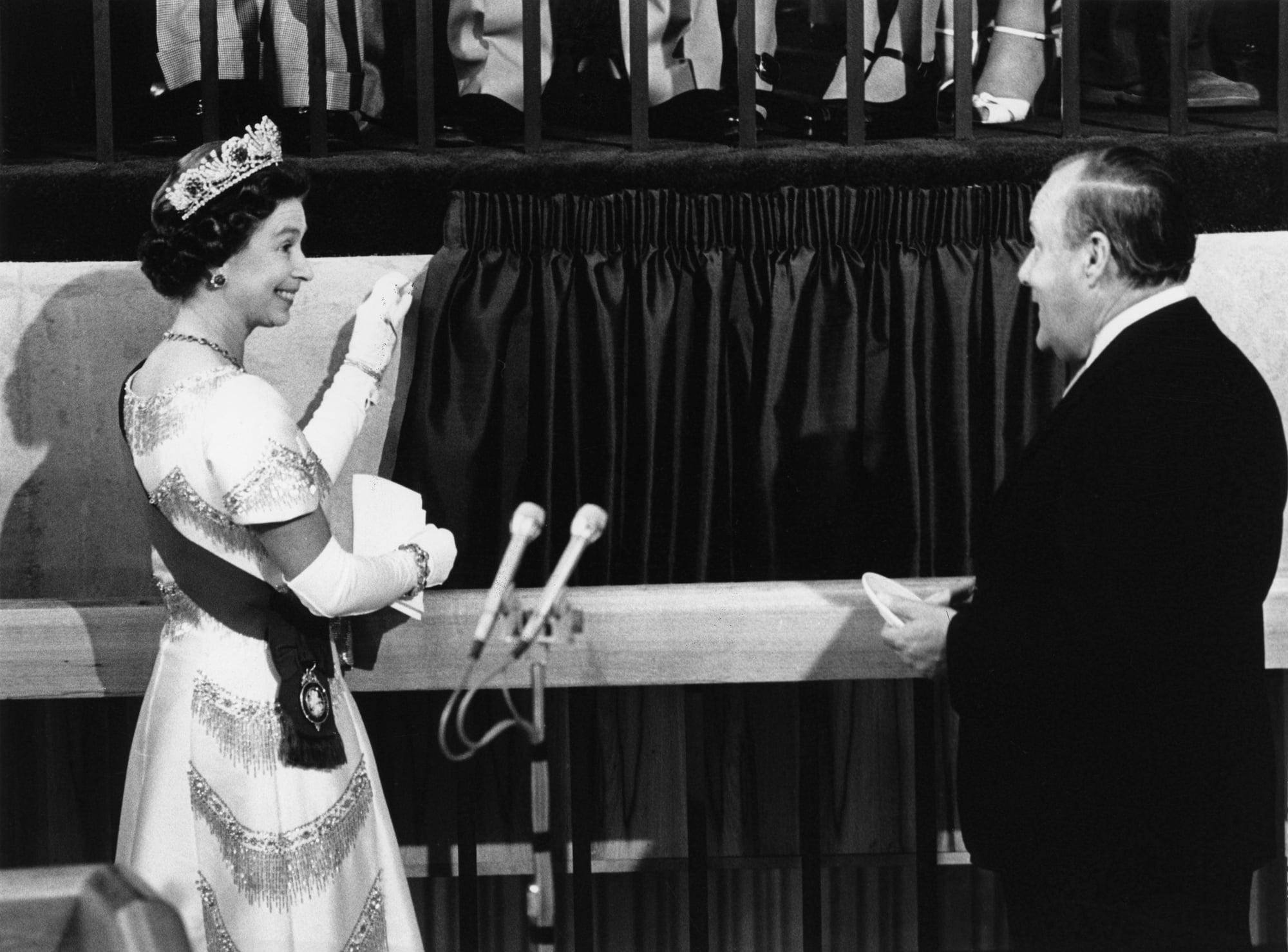
One of the best-known royal jewels connected to Myanmar is Queen Elizabeth II’s Burmese Ruby Tiara. In 1947, Princess Elizabeth received 96 rubies as a wedding gift from the people of Burma. In 1973, she commissioned Garrard to make a tiara incorporating those rubies with diamonds from the Nizam of Hyderabad Tiara. Its floral design forms Tudor roses.
The rubies’ story is part of the piece’s history: they were presented by the people of Burma. The tiara is often called the Burmese Ruby Tiara, though the gift record is not the same thing as an individual laboratory report establishing the mine of every stone.
The Sunrise Ruby
The Sunrise Ruby is a Cartier ring set with a 25.59-carat cushion-shaped ruby. Reports from both SSEF and Gübelin identify the ruby as Burmese, describe it as pigeon-blood red, and record no indications of heating. The ring is a striking example of why origin and treatment reports are important: they document the gem’s characteristics rather than relying only on its name or appearance.
The Queen of Burma ring
Cartier’s Queen of Burma is an Art Deco ring centred on a 23.66-carat ruby. Cartier sold the ring in 1937 to the Maharajah of Cutch. Reports from SSEF and Gübelin later identified the ruby as Burmese and found no indications of heating. The name can sound royal, but the ring’s documented history is tied to Cartier and the Indian princely states, as well as to a ruby from Myanmar.
The Red Emperor necklace
The Fai Dee Red Emperor is a ruby and diamond necklace assembled from 60 natural rubies. Sotheby’s catalogue records from the 2014 sale say the rubies were of Burmese origin, with no indications of heating; some were described in the trade as pigeon’s-blood red. The necklace shows how several rare stones can be brought together into one carefully matched jewel.
Elizabeth Taylor’s Cartier ruby jewels
Elizabeth Taylor’s Cartier ruby and diamond jewels were gifts from her then-husband Mike Todd in 1957. The suite included a necklace, bracelet and earrings. A laboratory report for the necklace classified its seven rubies as Burma (Myanmar) in origin and recorded no heat enhancement. Christie’s offered the pieces from Taylor’s collection in 2011.
The Hutton-Mdivani jadeite necklace
Myanmar is also closely associated with fine jadeite. The Hutton-Mdivani necklace, made by Cartier around 1933, is one of the best-known jadeite bead necklaces in the world. It has 27 large green beads and a ruby-and-diamond clasp. Barbara Hutton received it as a wedding gift from her father. Cartier later bought it at Sotheby’s Hong Kong auction in 2014 for HK$214.04 million.
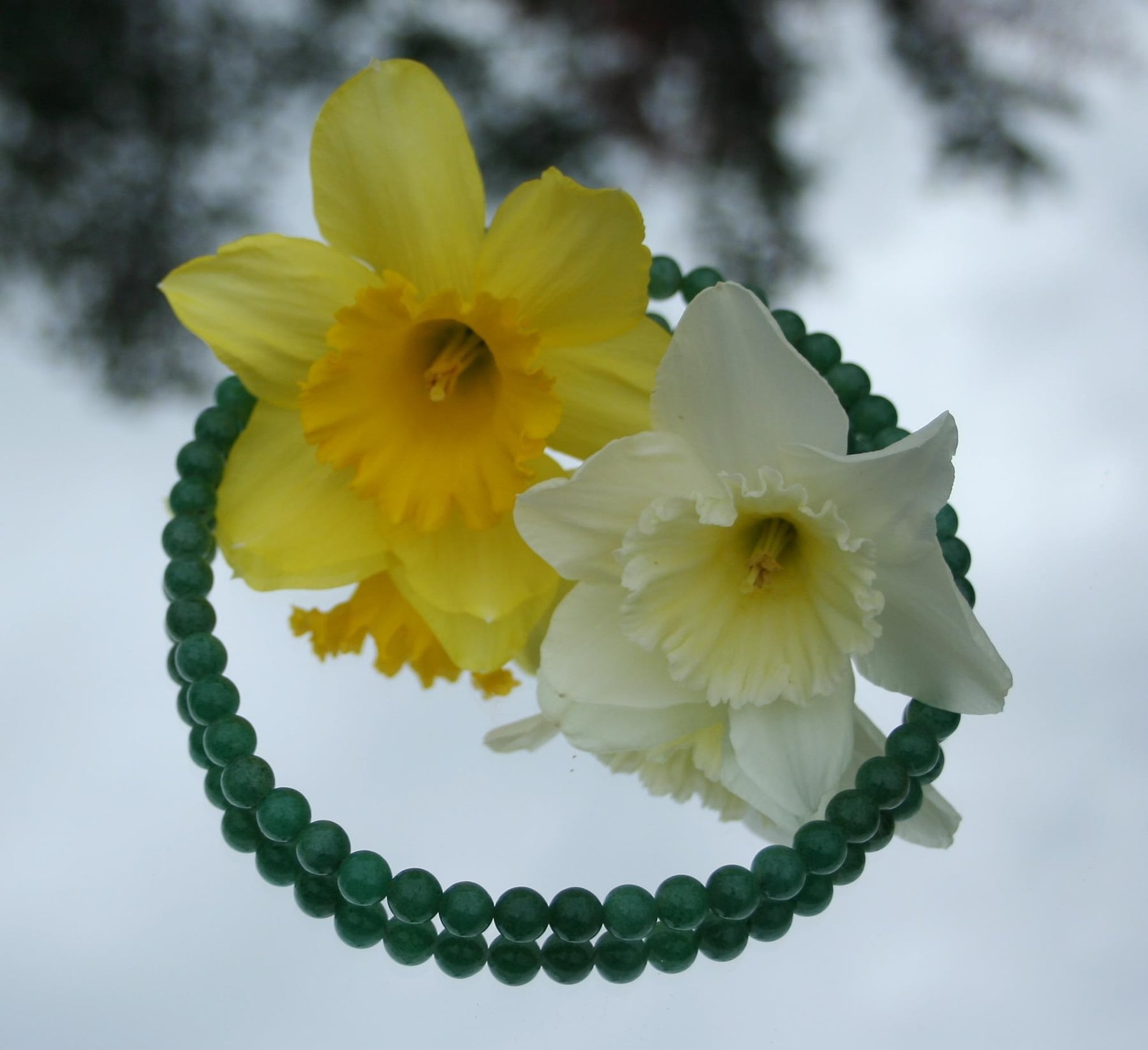
The necklace is a celebrated jewel in the history of jadeite jewellery and a reminder of Myanmar’s importance as a source of the stone. Sotheby’s notes that its beads’ early provenance is uncertain, so it is more accurate to connect the necklace to Myanmar’s jadeite tradition than to claim a documented mine for those particular beads.
More than a beautiful stone
These jewels are now held in royal, private or institutional collections, but their stories begin with material from the ground and the people who mined, traded, cut and set it. Their histories also show why careful wording matters: “Burmese ruby” may describe a laboratory-confirmed origin, while another jewel’s connection may rest on a gift record or on the broader history of Myanmar jadeite.
Together, these famous pieces show how Myanmar’s gems have shaped jewellery far beyond the country’s borders. Their colour catches the eye; their provenance gives each stone a longer story.