
Jade in Myanmar: Beauty Within the Stone
A small jade bangle and a pagoda covered in jade may seem worlds apart. In Myanmar, both tell a story about a stone that belongs to the country's landscape, craftsmanship and faith.
A small jade bangle and a pagoda covered in jade may seem worlds apart. In Myanmar, both tell a story about a stone that belongs to the country’s landscape, craftsmanship and faith.
Myanmar has long been recognised as a leading source of exceptional jadeite. The Gemological Institute of America describes its northern mines as the principal source of top-grade material. This reputation makes jade one of Myanmar’s most distinctive natural treasures, with a name known far beyond the country’s borders.
Where Myanmar’s jade begins
The heart of Myanmar’s jade country lies in Kachin State, in the north. The Hpakant–Tawmaw jade tract is particularly important, connecting the name Hpakant with a gemstone admired around the world. GIA’s field research documents the deposits, mining and trade of this region.
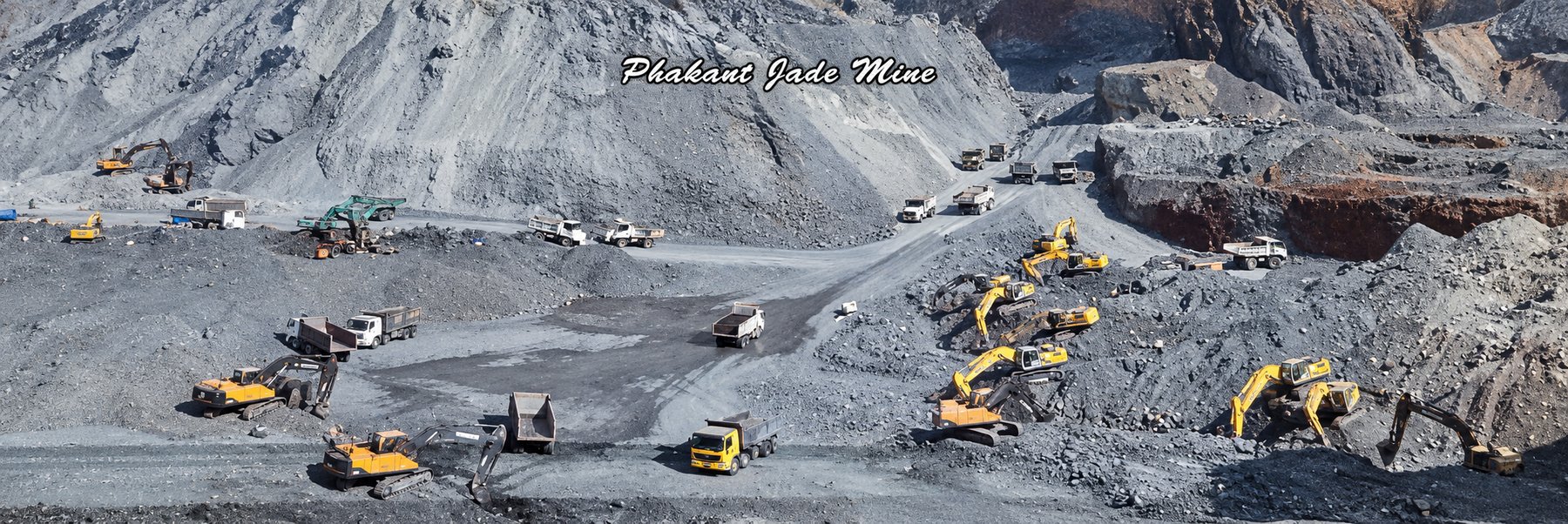
Much of this jade is drawn from vast open-pit mines around Hpakant, where heavy machinery has largely replaced the old hand methods of extraction. Excavators and dump trucks move enormous quantities of rock in search of jade-bearing boulders, reshaping the surrounding hills in the process.
A rough jade boulder pulled from this ground can conceal much of its beauty beneath a weathered surface. A small opening cut into the outer layer may reveal the colour inside — a glimpse of green that looks quite different from the surrounding rock. That contrast is part of jade’s fascination: what appears ordinary on the outside may hold something remarkable within.
Why Myanmar jade is so famous
Myanmar is especially celebrated for jadeite, one of the principal materials known as jade. Fine jadeite combines rich colour, a smooth texture and enough translucency for light to enter the stone. The most prized vivid green examples are often called “imperial jade”. Their rarity and appearance have helped build Myanmar’s international reputation.
But Myanmar’s jade story has more colours than green alone. Jadeite also occurs in lavender, white, yellow, reddish orange and darker shades. Colour may form soft patches or distinct streaks, giving artisans natural details to work with.
From the northern mines to Mandalay’s workshops
Mandalay has an important place in the journey from rough jade to finished objects. GIA records cutting workshops near jade markets in Mandalay, Hpakant, Lonkin and Mogaung, showing how the stone supports a chain of specialised work within Myanmar.
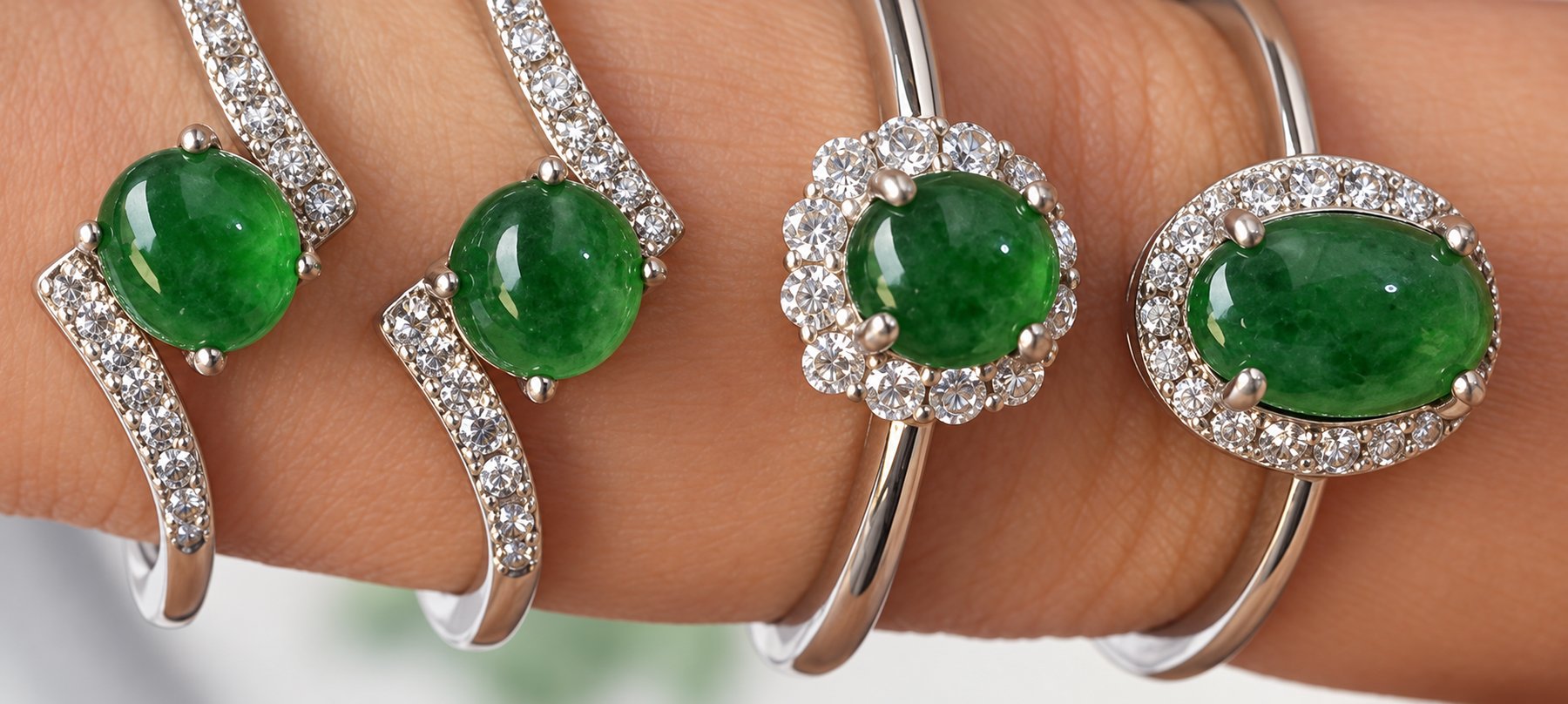
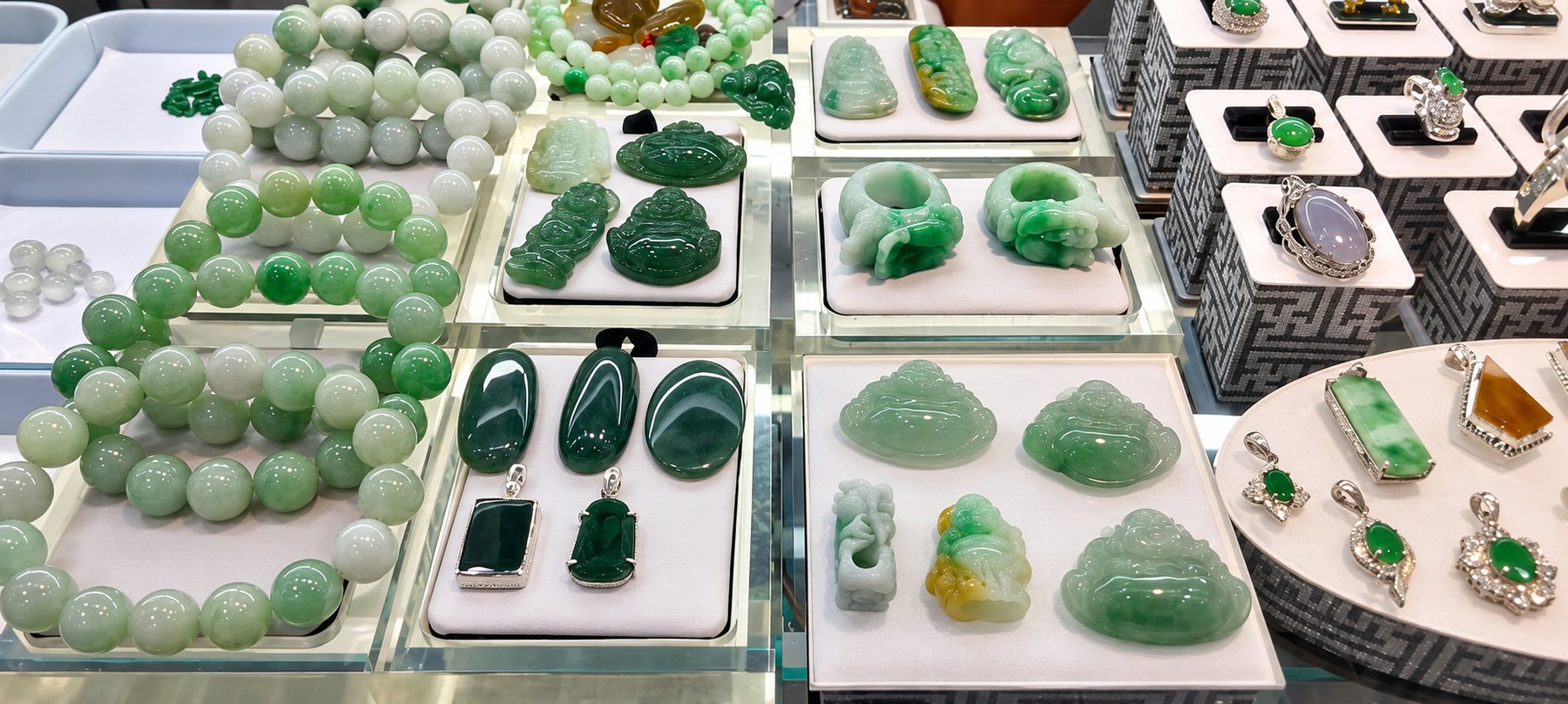
Artisans shape jadeite into beads, pendants, polished domes and bangles. Some bangles are carved from a single piece of stone. Their clean, continuous circle leaves little to distract from the jade itself, making the choice of material and the quality of the finish especially visible.
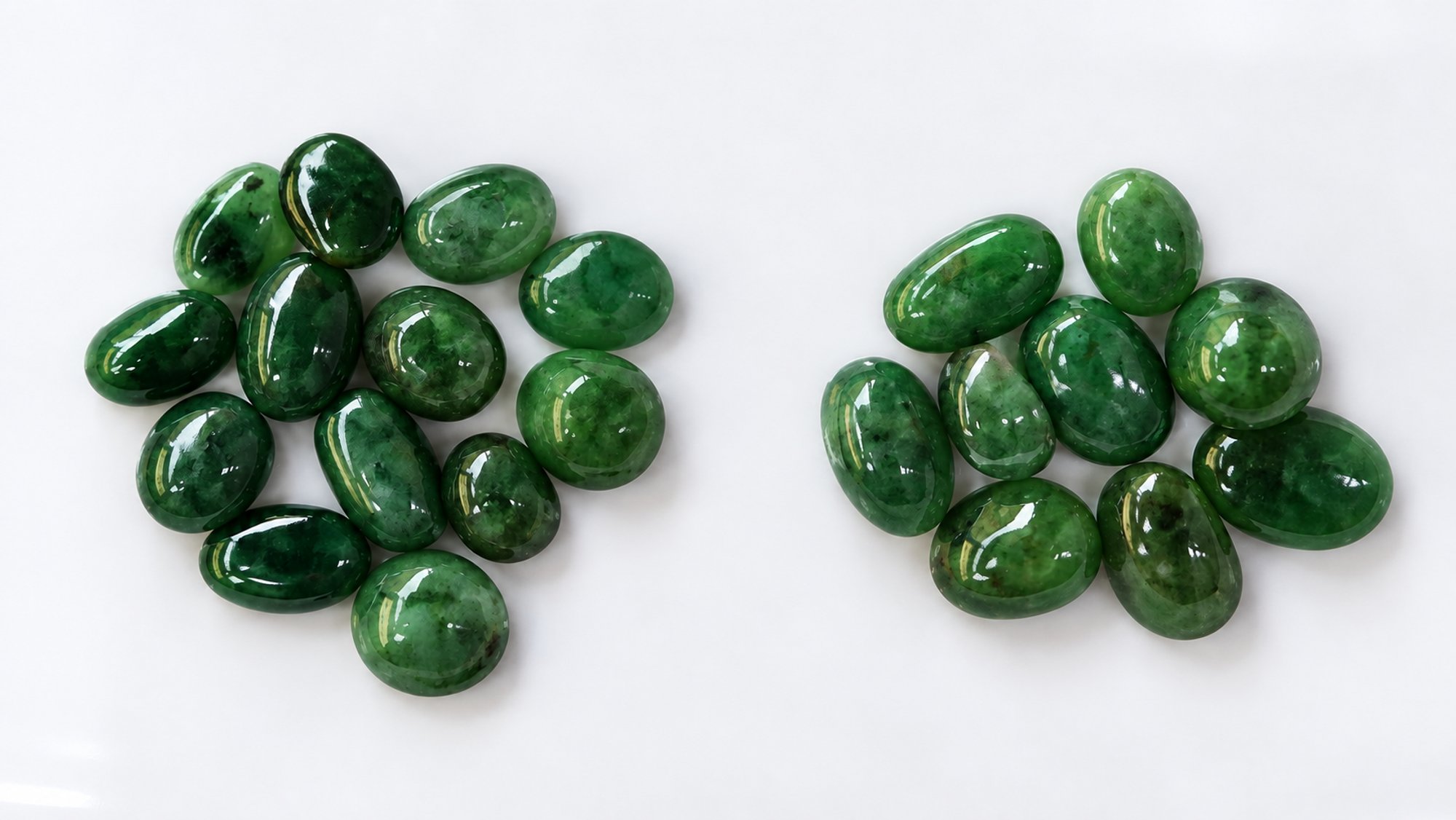
Beads present a different challenge again. Each one must sit comfortably beside the next in colour, texture, translucency and size, so a finished necklace or bracelet depends on finding enough closely matched material before a single bead is strung.
A pagoda dressed in jade
Near Amarapura, in Mandalay Region, jade takes on a much larger form. Varocana Kyauksein Zedi, commonly known as the Jade Pagoda, rises approximately 23 metres and is covered in jade.
Construction began in November 2012, and its inauguration ceremony took place on 5 June 2015. The pagoda and its grounds were donated by the jade-mining family of Soe Naing and Aye Aye Khaing. It is a modern religious landmark, bringing the stone into a setting of Buddhist devotion.
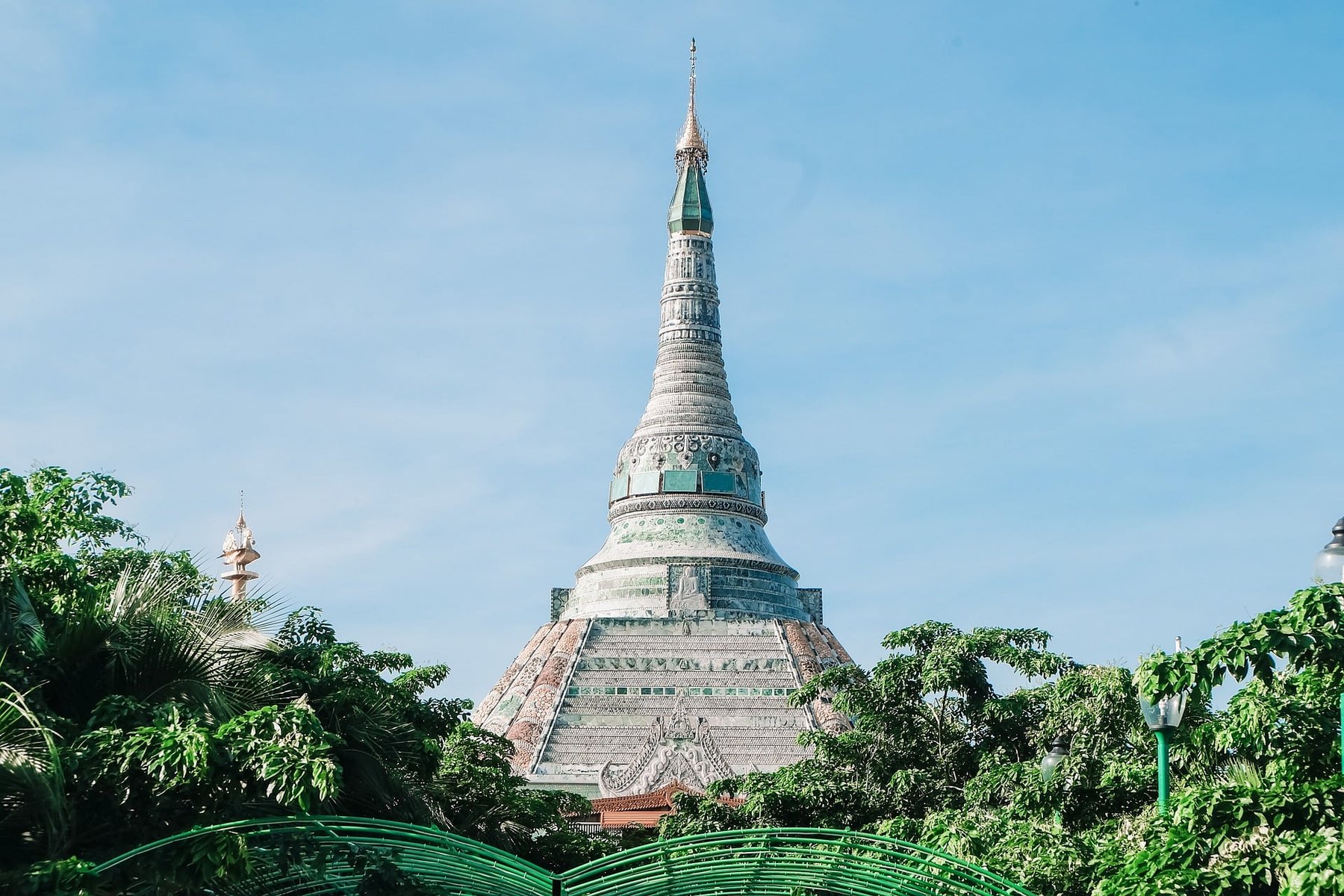
Across its surface, pale green, white and deeper tones form bands and decorative patterns. From a distance, the eye follows the pagoda’s rising shape. Closer up, attention shifts to the individual pieces and the care taken to arrange them. Here, a material often seen in small pieces of jewellery becomes part of an entire place of worship. Elsewhere, the same stone is sold by the piece, in every form a jeweller’s bench can give it.
A heritage rooted in Myanmar
Jade deserves a place in the story of Myanmar’s heritage because it connects the country’s natural wealth with the work and beliefs of its people. Its significance reaches from the jade-bearing land of Kachin State to the workshops and religious landmarks of Mandalay.
To appreciate it fully is to remember those places and the people whose lives and livelihoods are connected with the stone. Whether shaped into a simple bangle or arranged across a pagoda, jade carries a recognisable part of Myanmar’s story.