
Rubies of Myanmar: The Red Stones of Mogok
A polished ruby can rest on a fingertip, yet its story reaches from a marble hillside in Mogok, through centuries of legend and trade, to auction rooms and museum cases on the other side of the world.
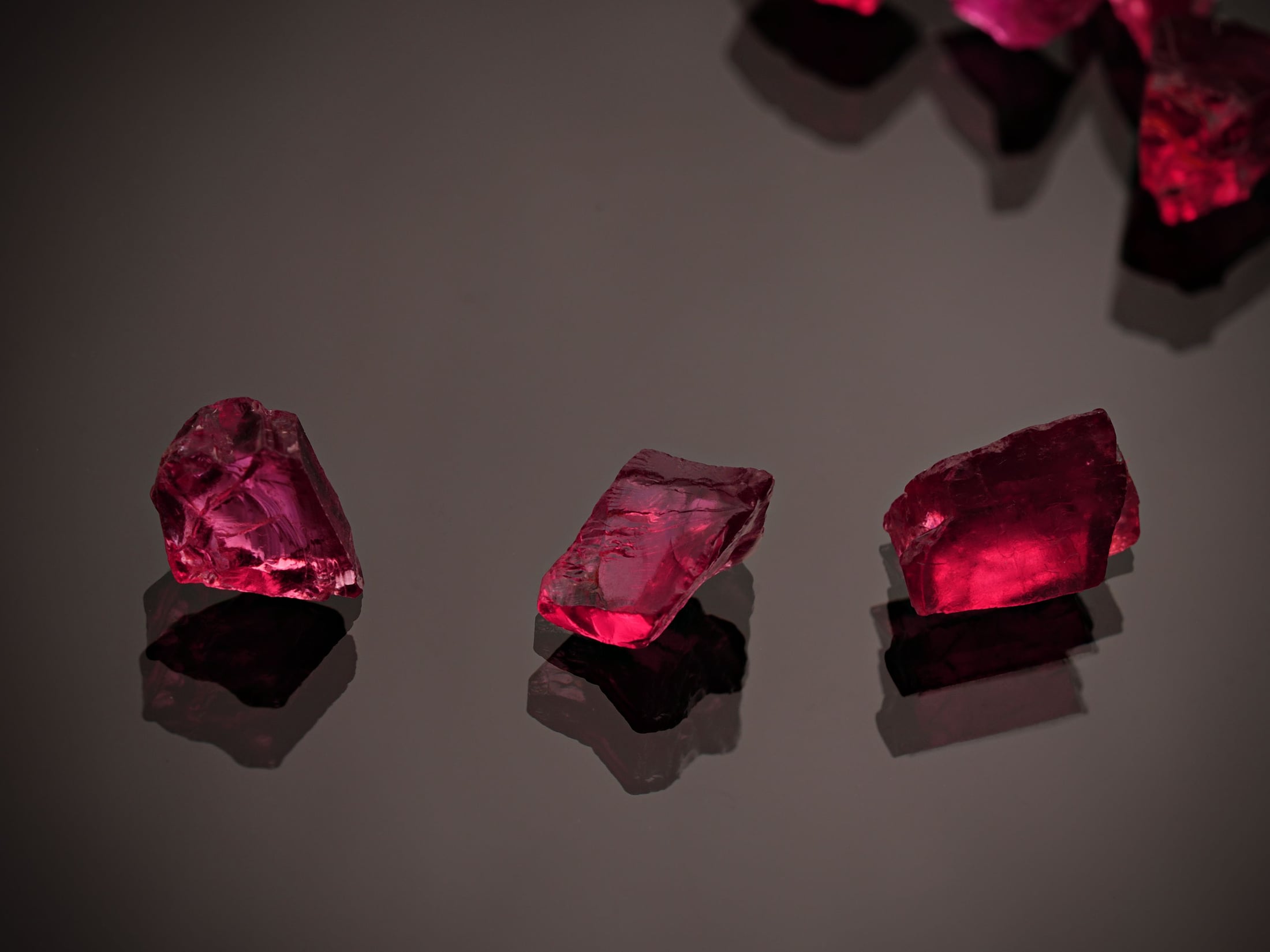
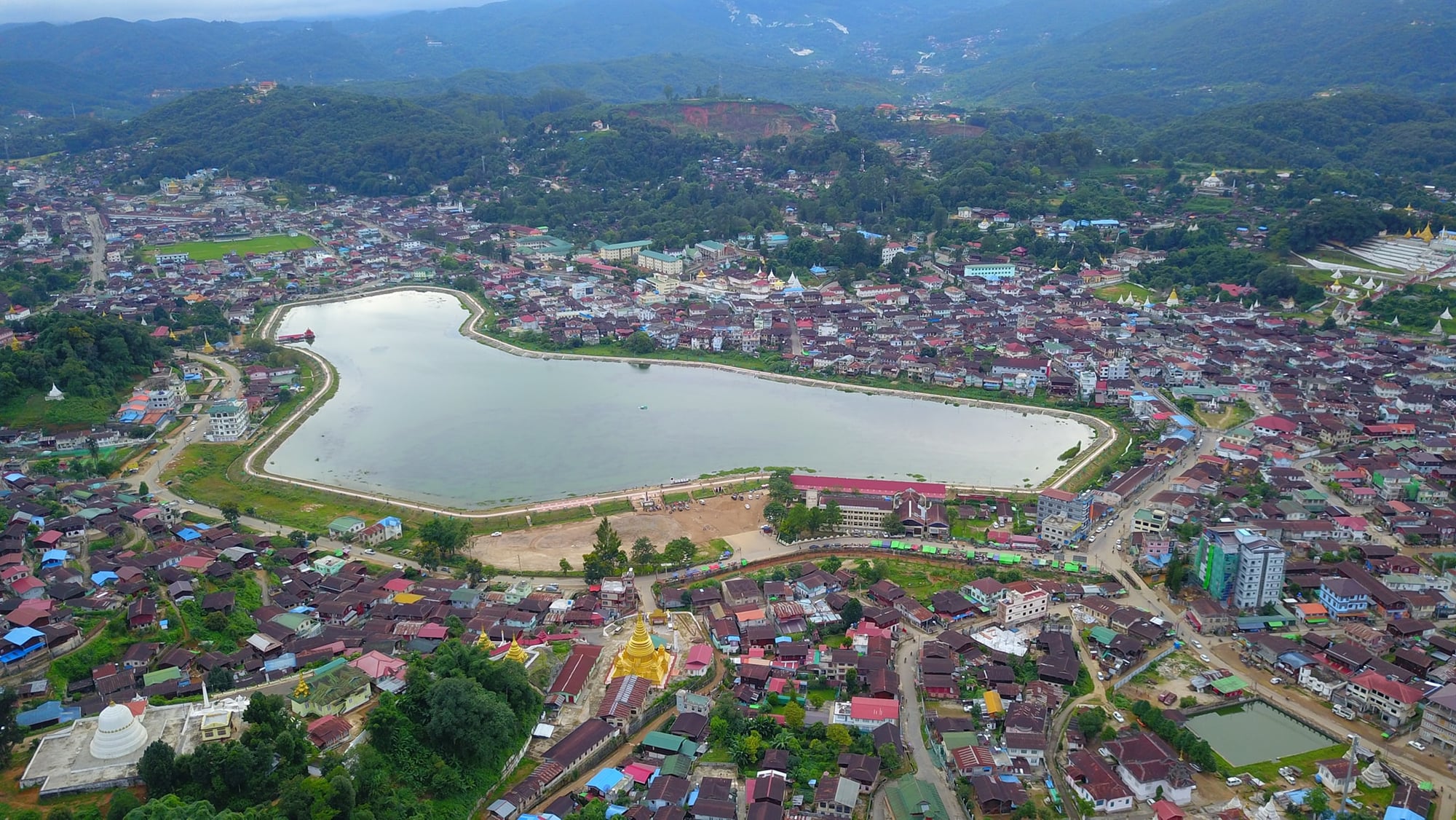
Some of the world’s finest and most famous rubies come from Myanmar. At the heart of that reputation is Mogok, a region of steep hills and valleys northeast of Mandalay, whose rubies have been admired for centuries. Long before these stones appeared in international auctions and celebrated jewellery collections, their story began in the earth beneath these hills.
A history stretching back centuries
Myanmar’s connection with rubies is an old one. According to the Gemological Institute of America, the country has been a ruby source since at least AD 600. Rubies also became part of local legend, with historical accounts describing warriors who believed the stones could protect them in battle. Such beliefs reveal how deeply these red gems entered the imagination, as symbols of strength as well as objects of beauty.
Early accounts by foreign visitors described Myanmar’s gem markets and the close relationship between its kingdoms and gemstone wealth. Under British colonial rule, mining expanded into large commercial operations, particularly in the late nineteenth and early twentieth centuries. Through these changing periods, Mogok’s name remained closely tied to its stones.
Why the red can seem to glow
Ruby is the red variety of corundum, the same mineral species as sapphire. Small amounts of chromium give it its colour, which can range from orangey red to purplish red.
Many celebrated Myanmar rubies formed in marble, where low iron content allows their red fluorescence to show strongly. Under ultraviolet light, including that present in sunlight, this fluorescence can add an extra brightness. A fine stone may appear to hold a little light within it.
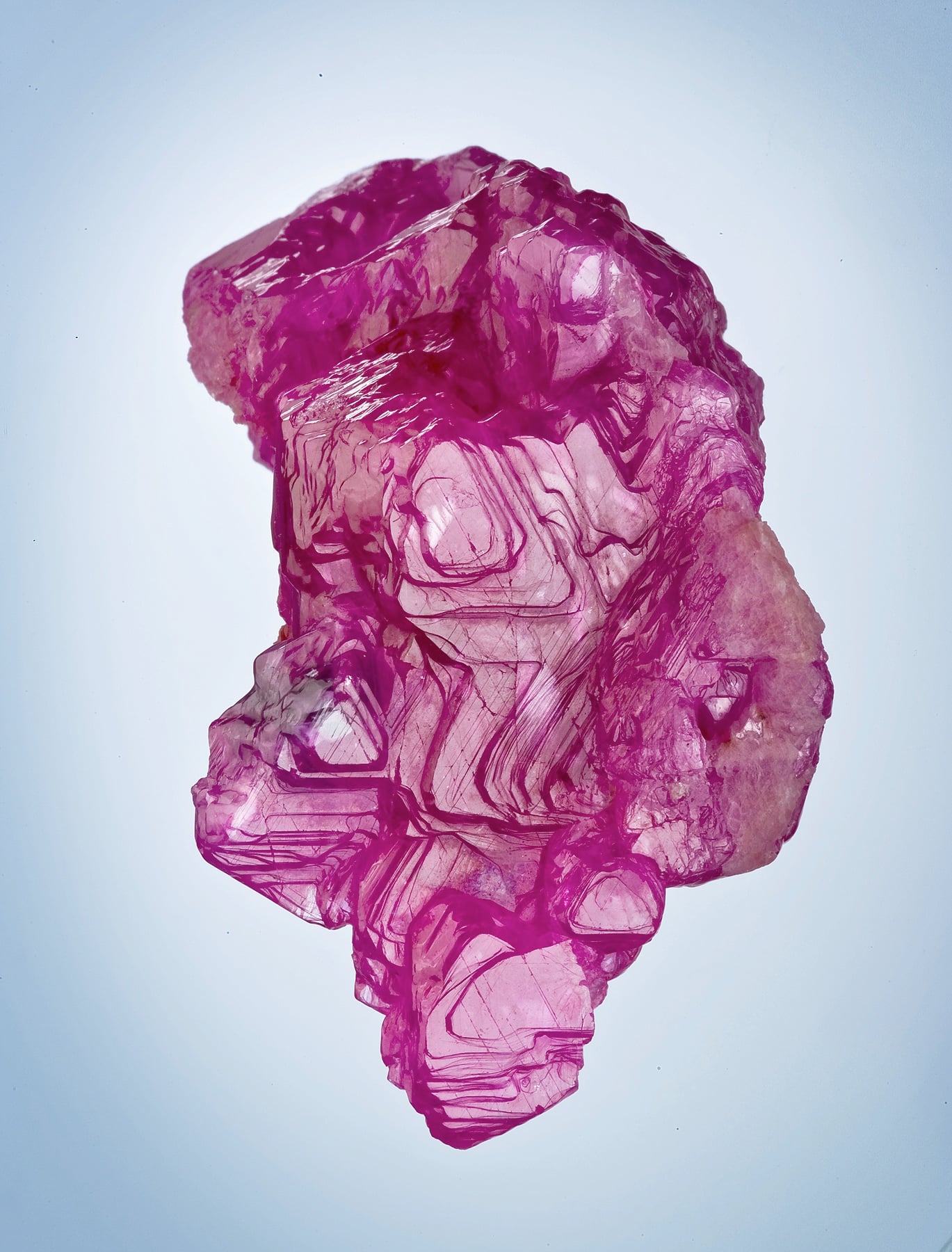
The expression “pigeon’s blood” is closely associated with fine Burmese rubies. Historically, it described a red to slightly purplish or pinkish red with a soft red fluorescence. It remains a trade description whose interpretation can vary. Myanmar’s finest examples have helped shape ruby’s reputation, although stones from the same source naturally differ in quality.
Myanmar rubies known around the world
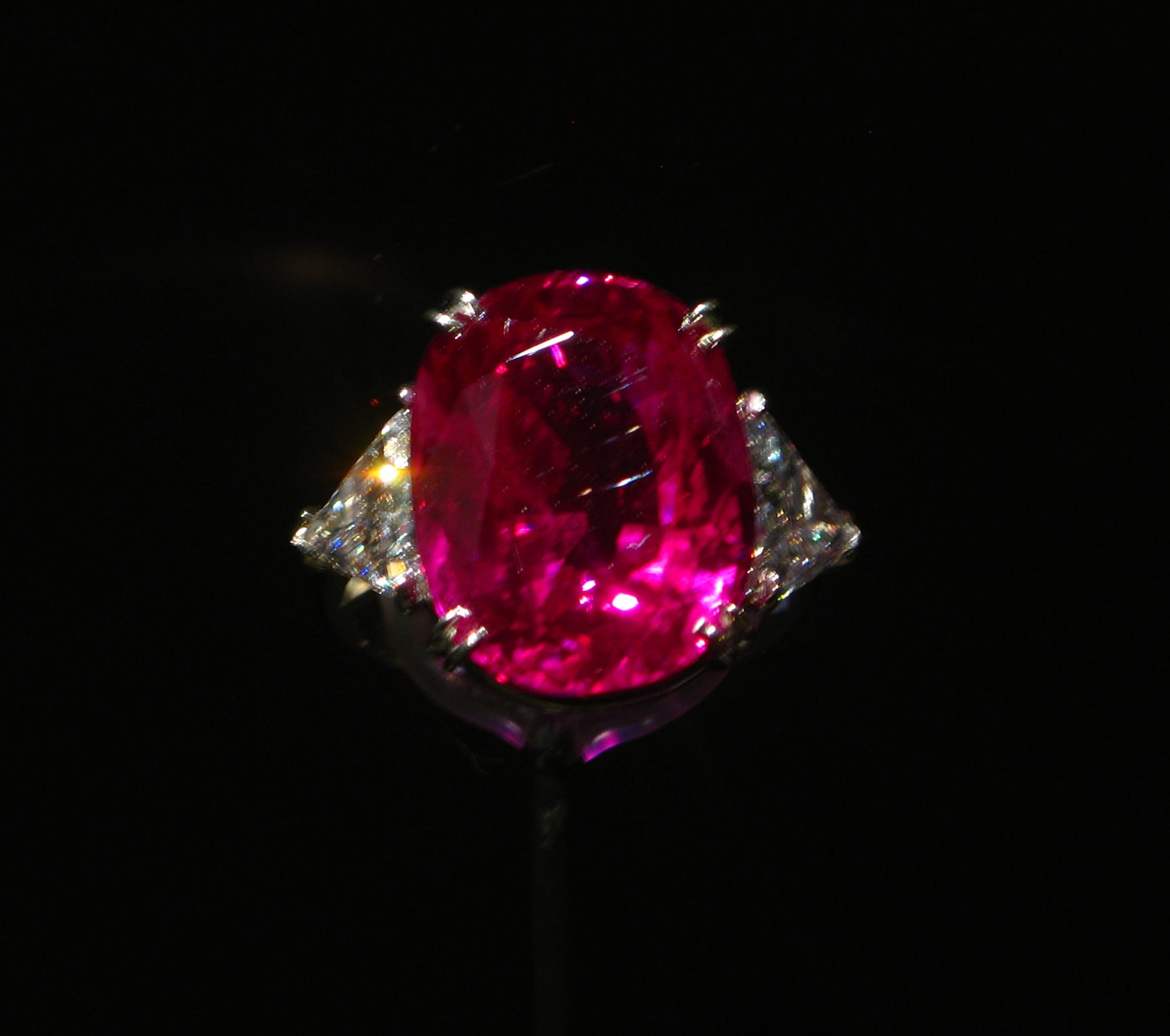
One celebrated example is the Sunrise Ruby, a 25.59-carat Burmese ruby set by Cartier between two diamonds. Named after a poem by Rumi, it combines a remarkable size with the rich colour associated with exceptional Burmese stones. In May 2015, it sold at Sotheby’s in Geneva for approximately US$30.4 million, setting a world auction record for a ruby at the time.
Another is the Carmen Lúcia Ruby, a 23.10-carat stone from Myanmar in the Smithsonian’s National Museum of Natural History collection. Donated by Dr Peter Buck in 2004, it offers a different setting in which to appreciate a remarkable Burmese gem: a museum collection where its natural beauty can be studied and shared.
Myanmar’s ruby story is still being written. In mid-April 2026, shortly after the traditional New Year festival, miners near Mogok uncovered a stone weighing 11,000 carats — roughly 2.2 kilograms of purplish-red ruby with yellowish undertones, moderate transparency and a notably reflective surface. It is the second-largest ruby yet recorded from the country by weight, surpassed only by a 21,450-carat stone found in 1996, though officials consider the new discovery more valuable for its superior colour and quality. Still uncut at the time of reporting, its full value has not been disclosed.
These stones are individual examples of the quality Myanmar can produce. Their fame has carried the country’s name far beyond its borders.
The place behind the precious stone
Mogok’s gemstone heritage also includes sapphires, spinel and peridot. The town and its surrounding mining areas have long connected the work of finding stones with the activity of buying and selling them.
A finished ruby may rest in a museum case or a carefully made ring, but its story begins much further away. Behind its polished surface are the hills where it formed, the labour involved in finding it, and the skill needed to reveal its colour. Remembering that journey gives the stone a beauty beyond its shine.