
Colonial Yangon: Stories Along the Old Streets
Tall windows, shaded balconies and rows of buildings softened by years of tropical rain — in downtown Yangon, beauty often sits above eye level.
Tall windows, shaded balconies and rows of buildings softened by years of tropical rain. In downtown Yangon, beauty often sits above eye level: an arch over a doorway, decorative plasterwork or a clock tower rising beyond the trees. Below, shops and tea stalls keep the streets connected to everyday life.
Known internationally as Rangoon during British rule, Yangon grew into a major colonial port and administrative centre after the British captured it in 1852. Its downtown streets were laid out in a grid near the river. The city’s expanding trade brought together Burmese, Indian, Chinese and other communities, each contributing to its character. These buildings belong to a history that includes commerce and cultural exchange, as well as colonial rule and the struggle for independence.
A red-brick landmark
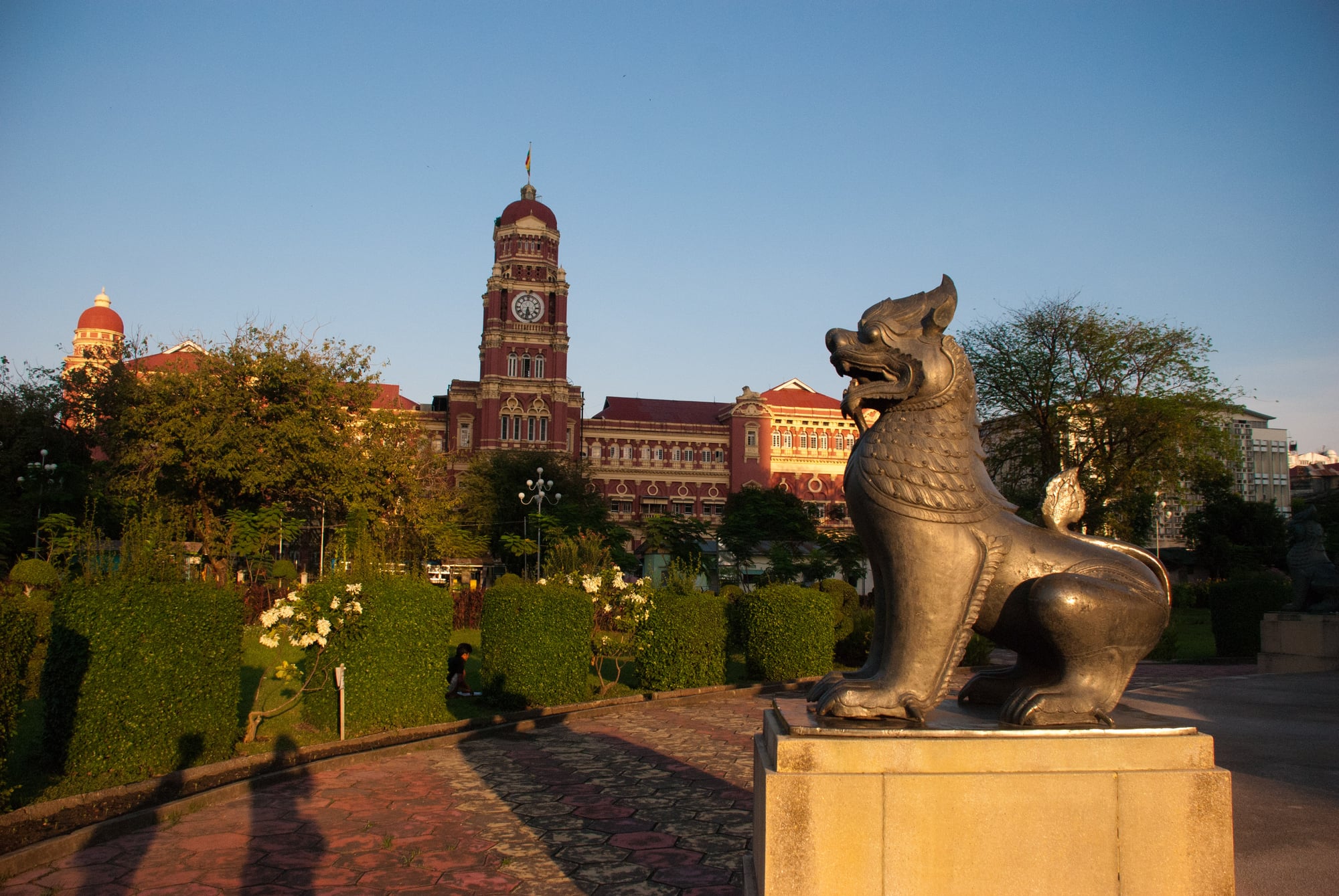
Near Maha Bandula Park, the former High Court is one of the most recognisable landmarks. Completed in 1911, its red brick exterior and clock tower give it a striking presence. Designed by James Ransome, it reflects the Indo-Saracenic architectural style used in several public buildings across British Asia.
A roofline of its own
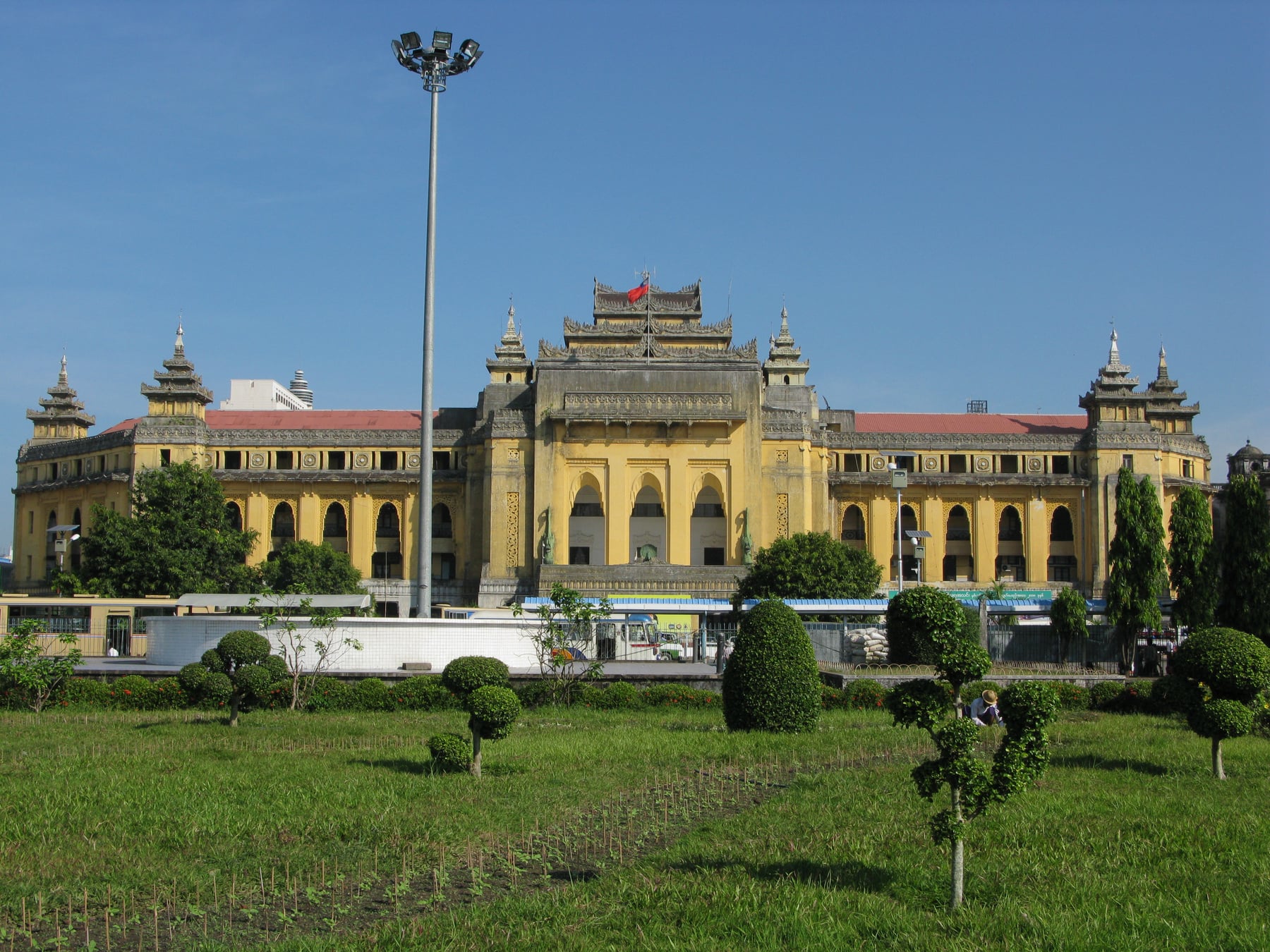
Nearby, Yangon City Hall tells a different architectural story. Completed in 1936 and designed by Burmese architect U Tin, it combines European building forms with traditional Burmese tiered roofs, known as pyatthat. Its roofline gives a distinctly local identity to a civic building constructed during the colonial period.
A post office with a former life
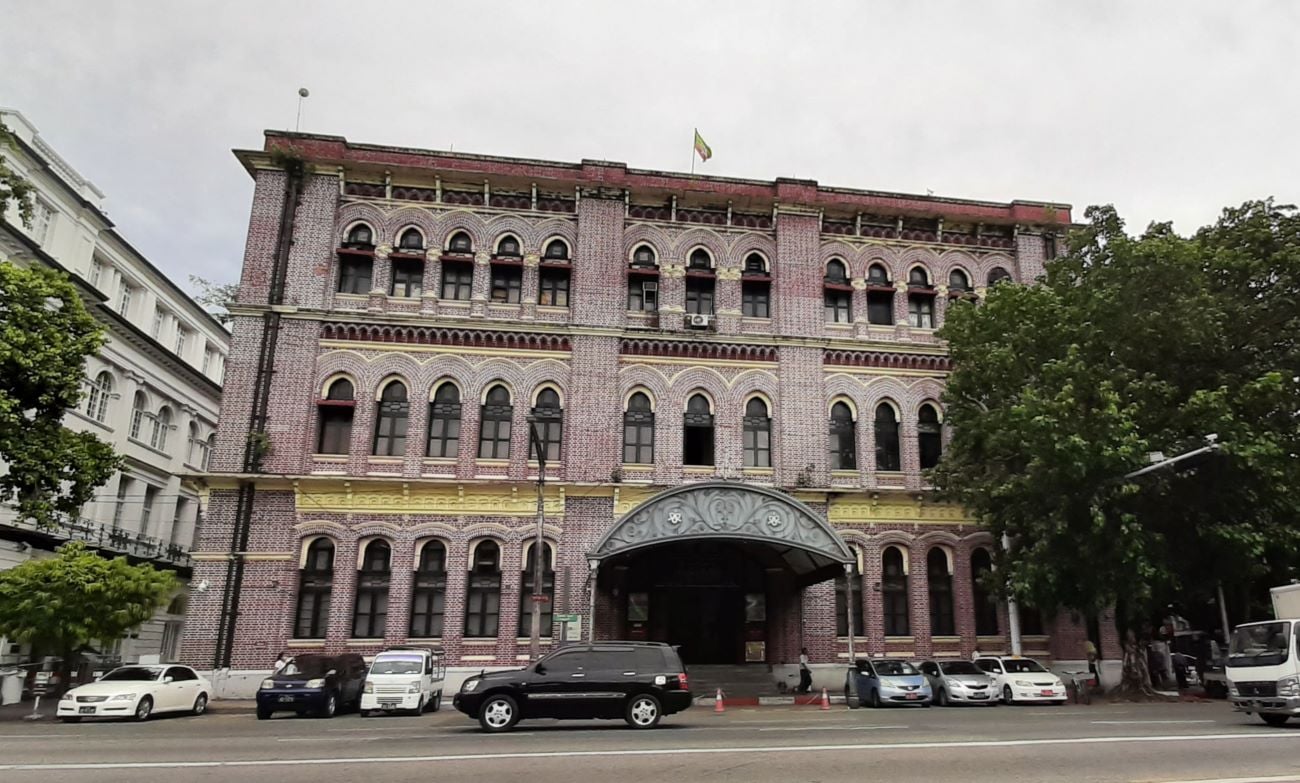
Along Strand Road, Yangon’s General Post Office holds another piece of the city’s history. Built in 1908, it originally housed the headquarters of Bulloch Brothers & Company, a Scottish rice trading firm. It became the General Post Office in 1936, giving a commercial building a new role in connecting people through letters and parcels. Its tall, pointed-arch windows and decorative plasterwork reward a closer look, preserving something of the port city it once served.
These buildings form an important part of Myanmar’s architectural heritage. Both the former High Court and the General Post Office are included on the Yangon City Heritage List. Their significance lies in the craftsmanship they preserve and the generations of people whose lives have passed through them.
Yangon’s beauty unfolds along busy streets and closely built neighbourhoods. Here, a weathered doorway or an old balcony can hold the eye as much as a grand public building. Preserving that character means caring for both the architecture and the everyday life around it.