
Bagan: Temples Across the Plain
In the early morning light, Bagan's temples rise above the trees and open fields, their brick walls turning a soft, warm red.
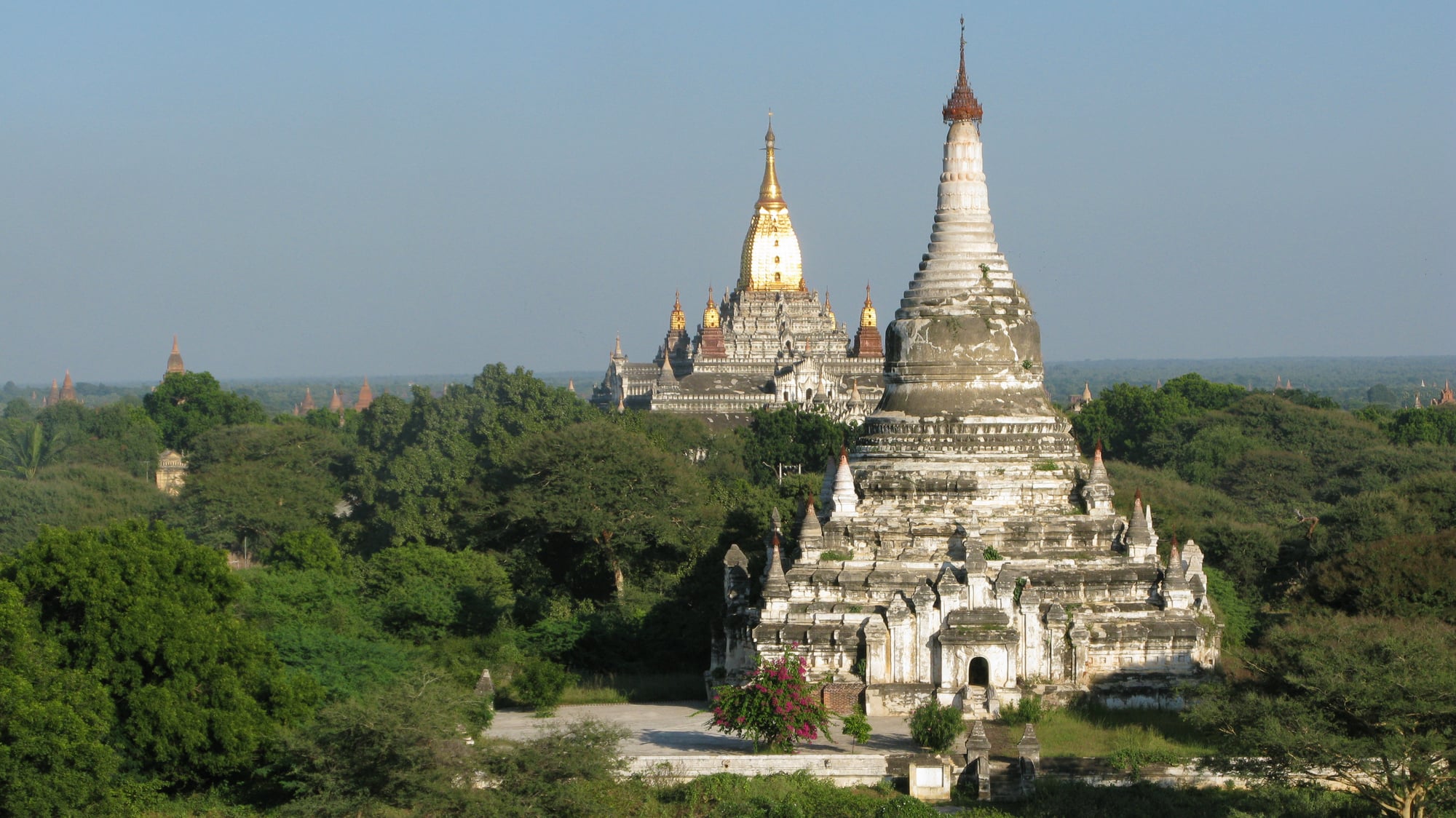
In the early morning light, Bagan’s temples rise above the trees and open fields, their brick walls turning a soft, warm red. Some stand tall against the sky; others sit quietly beside sandy paths. Towards evening, the fading light brings their outlines into focus, one after another across the plain.
Beside the Ayeyarwady River in central Myanmar, this landscape holds centuries of history. Bagan flourished as the capital of a powerful kingdom between the 11th and 13th centuries. Rulers and other donors commissioned temples, stupas and monasteries as expressions of Buddhist devotion and merit-making. Their generosity also supported the work of builders, sculptors and painters whose skills remain visible today.
A skyline of individual temples
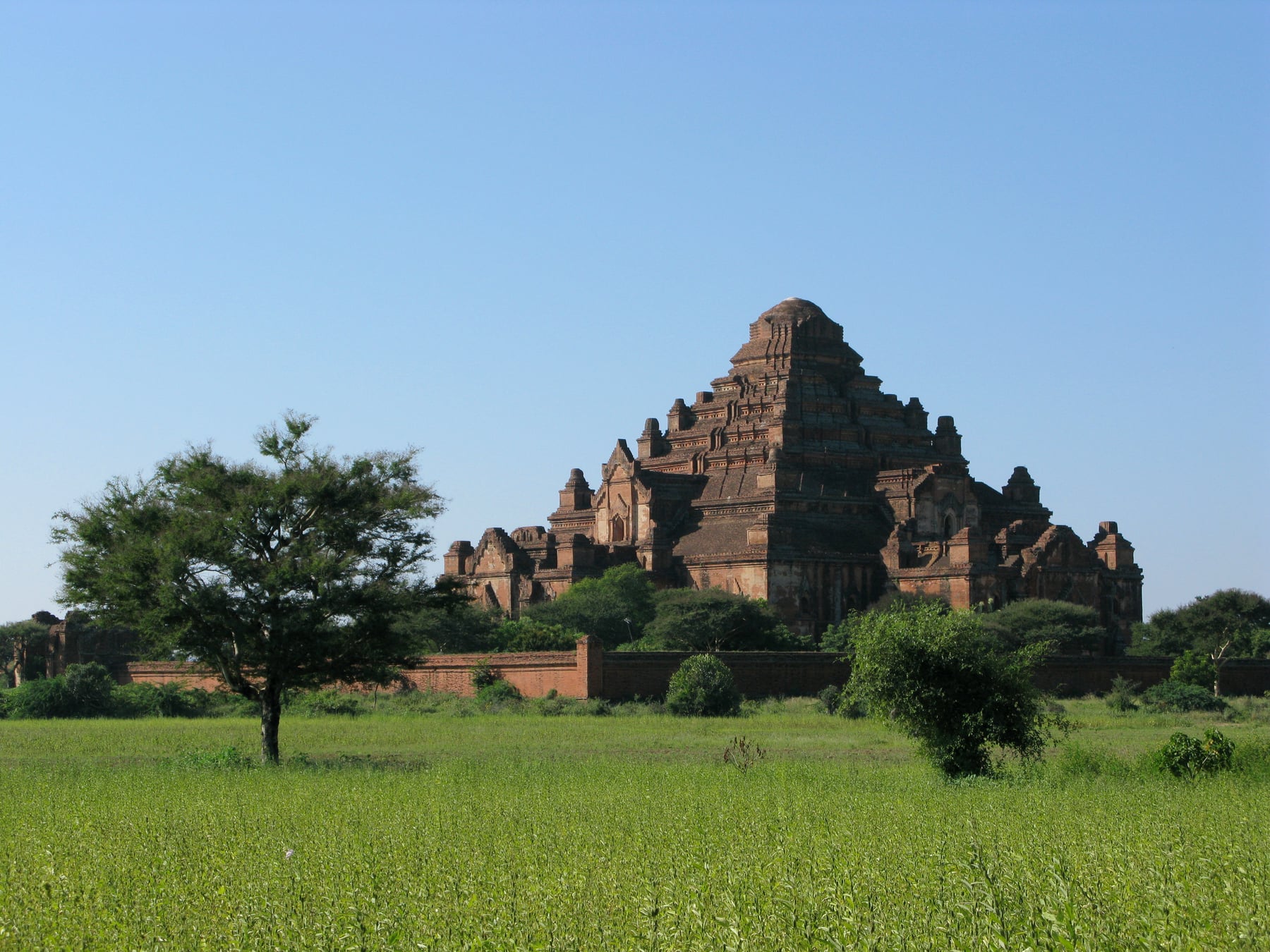
Each monument has its own character. Ananda Temple, built during King Kyansittha’s reign, is known for its balanced design and four standing Buddha images facing the cardinal directions. Dhammayangyi has a broad, imposing presence, while Thatbyinnyu rises high above many neighbouring temples. Together with countless smaller shrines, they give Bagan its distinctive skyline.
What the walls still hold
The beauty continues inside. In some temples, murals and sculptures preserve Buddhist stories and the artistic traditions of their time. Looking closely at a painted wall or a carefully formed arch brings attention back to the people who made these buildings, working brick by brick and detail by detail.
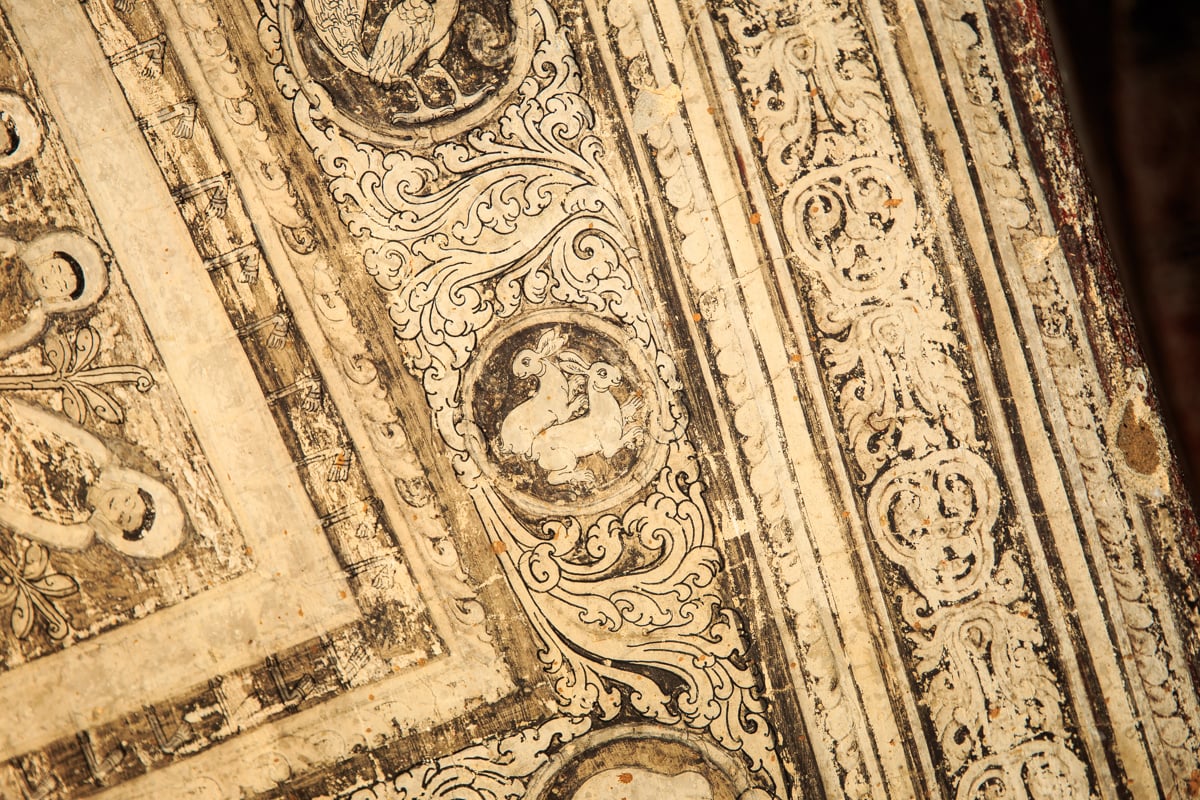
Bagan holds an important place in Myanmar’s national heritage. Its international significance was recognised in 2019, when it was inscribed on the UNESCO World Heritage List. It remains a living sacred landscape, where worship, pilgrimage and community life continue among the monuments. Earthquakes and earlier restoration work have also left their marks, making careful conservation essential.
Part of Bagan’s beauty is this closeness between past and present. Ancient temples share the landscape with fields, homes and people going about their day. Across the wide plain, history remains part of the place they call home.