
Theravada Buddhism: A Faith Woven into Everyday Life
For most people in Myanmar, Buddhism is not confined to monasteries and pagodas — it is woven quietly into the rhythm of everyday life.
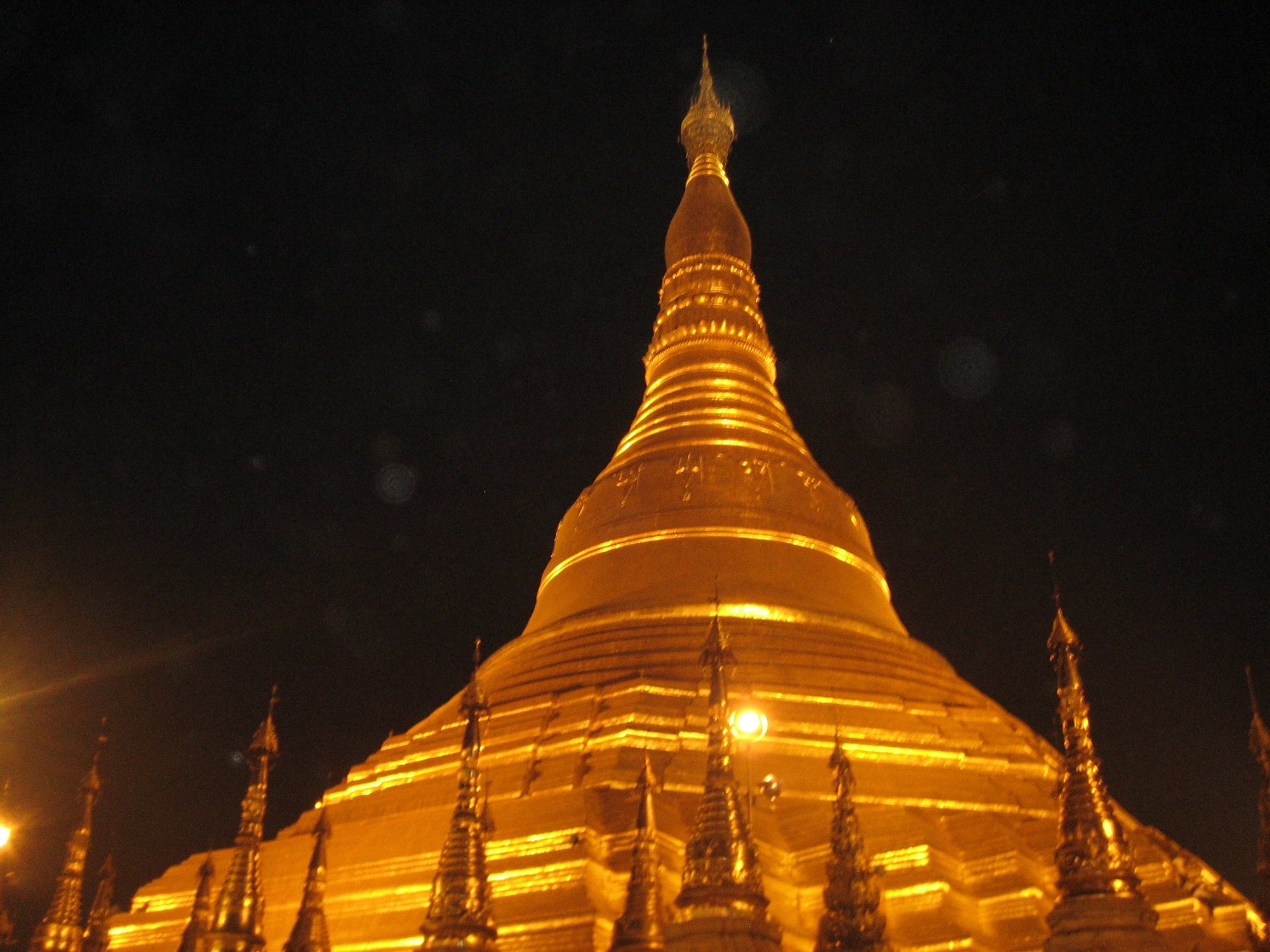
In Myanmar, Buddhism is more than a religion practised inside monasteries and pagodas. For many people, it is woven quietly into the rhythm of everyday life — in the offering of food to monks at dawn, the lighting of candles before a Buddha image, the turning of prayer beads, and the simple belief that kindness and generosity carry meaning beyond the present moment.
A dominant faith, rooted in history
Theravada Buddhism is the faith of nearly 88% of Myanmar’s population, making it the country’s dominant religion. Its roots in the region stretch back many centuries, becoming especially influential during the Bagan era in the 11th century under King Anawrahta.
That history can still be seen across the landscape today. Thousands of pagodas, monasteries and ancient Buddhist monuments rise from cities, villages and plains, with Bagan offering perhaps the most striking reminder of how deeply Buddhism has shaped Myanmar’s history, architecture and cultural identity.
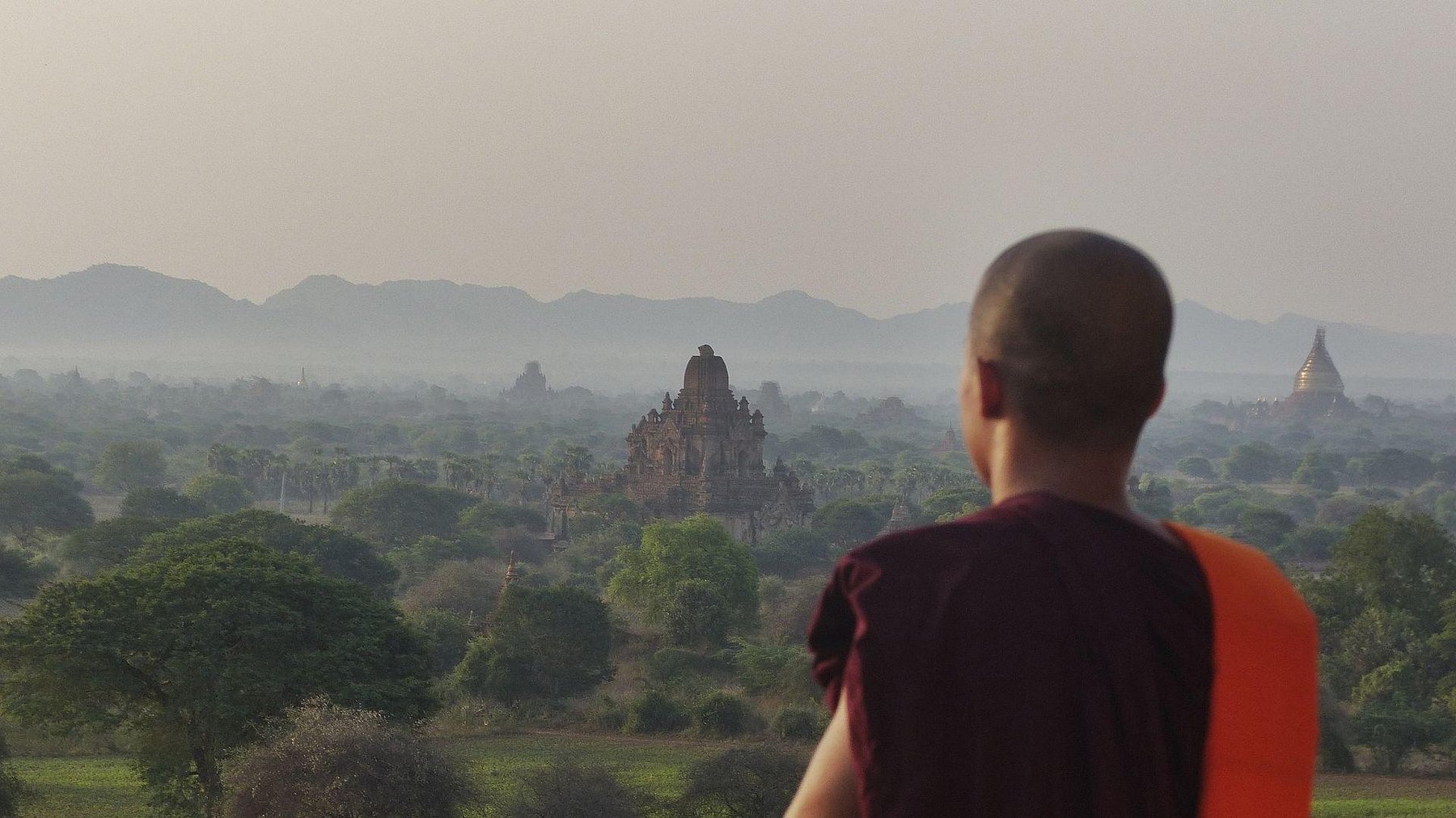
Woven into everyday gestures
But Buddhism in Myanmar is not only found in monuments.
It lives in everyday gestures.
Families visit pagodas together. People offer food and necessities to monks. Children may spend time in monasteries learning Buddhist teachings. During important moments in life, families make donations or perform acts of merit. Ideas such as compassion, generosity, respect for elders, mindfulness and the consequences of one’s actions have influenced social customs and personal values for generations.
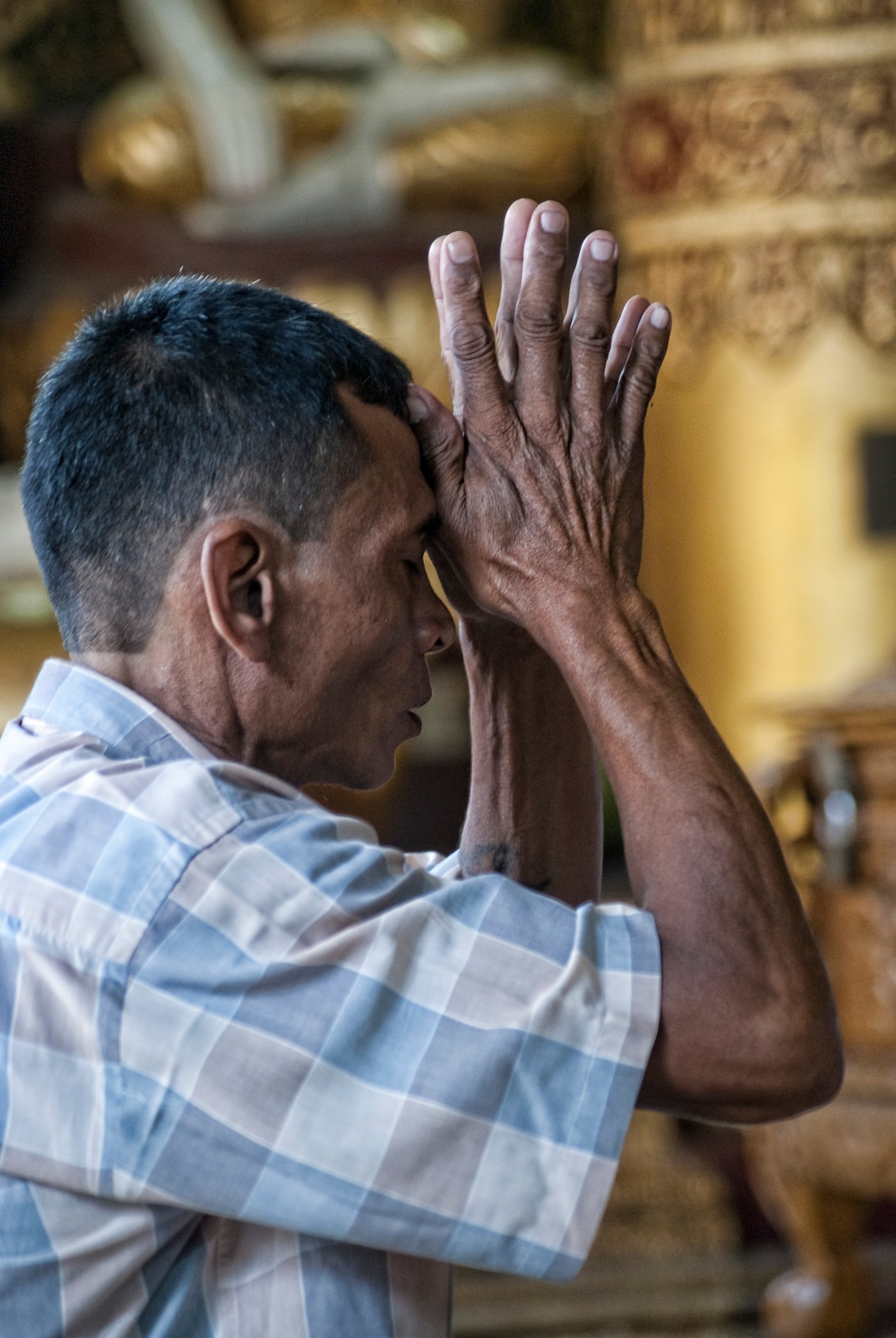
The Sangha, and the spirits alongside it
Monks and nuns also remain highly visible within communities. The Sangha, the Buddhist monastic community, has traditionally held a respected place in society, preserving and teaching the Buddha’s teachings while depending on lay communities for daily support.
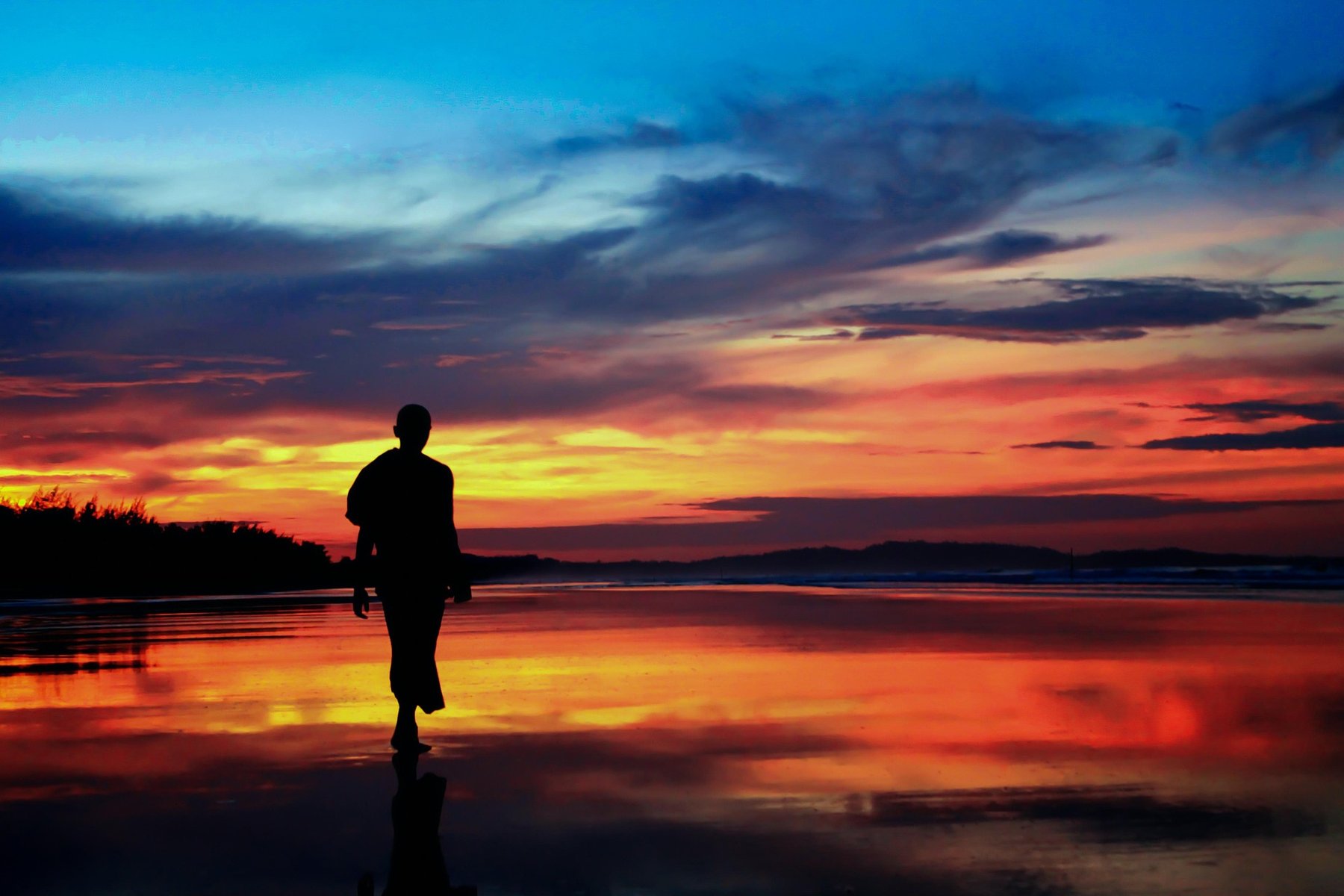
Myanmar Buddhism also carries distinctly local traditions. Alongside Theravada Buddhist practice, some people continue centuries-old beliefs in nats, or spirits associated with people, places and nature. Rather than always existing separately, these traditions have become intertwined in parts of everyday spiritual life.
Perhaps this is what makes Buddhism in Myanmar most interesting: it is both ancient and present. Its influence can be found in magnificent golden pagodas, but also in much smaller moments — a bowl of rice offered at sunrise, a quiet prayer before a journey, or a family choosing to do a good deed in memory of someone they have lost.
To understand Myanmar, it helps to look beyond the temples themselves. Buddhism is one of the threads connecting the country’s history, beliefs, architecture and everyday way of life.