
Hinduism in Myanmar: An Ancient Faith with Enduring Roots
Hinduism has been connected with Myanmar for more than a thousand years — a small minority faith today, but one whose cultural influence reaches much further than its numbers suggest.
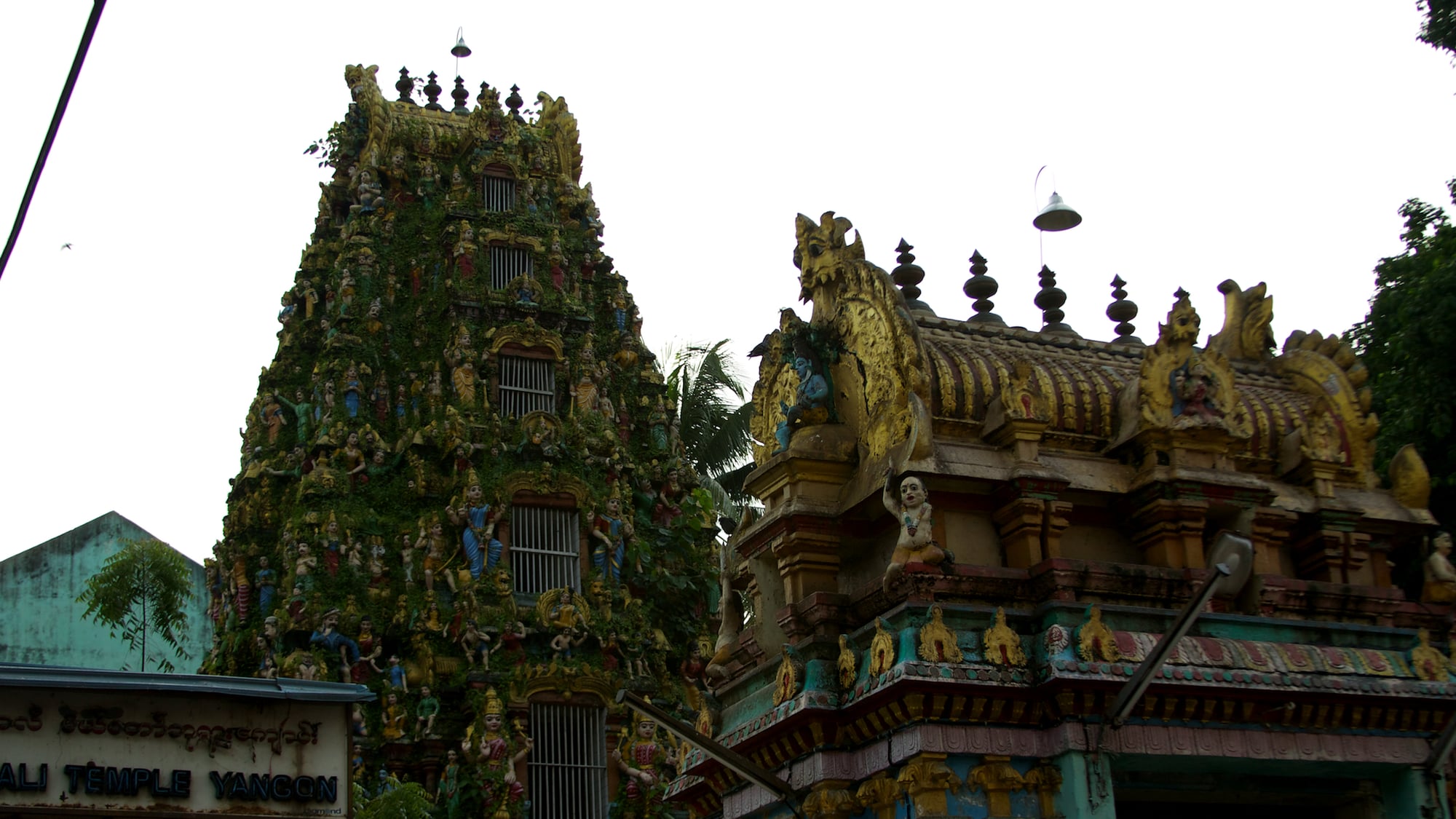
Hinduism has been connected with Myanmar for more than a thousand years. Today it is a small minority faith, practised by about 0.5% of the population, but its cultural influence reaches much further than its numbers suggest.
Ancient connections
Hindu beliefs reached the region through centuries of trade and cultural exchange with the Indian subcontinent. Long before modern Myanmar existed, Hindu and Buddhist ideas travelled together across Southeast Asia, influencing early kingdoms, literature, art and royal traditions.
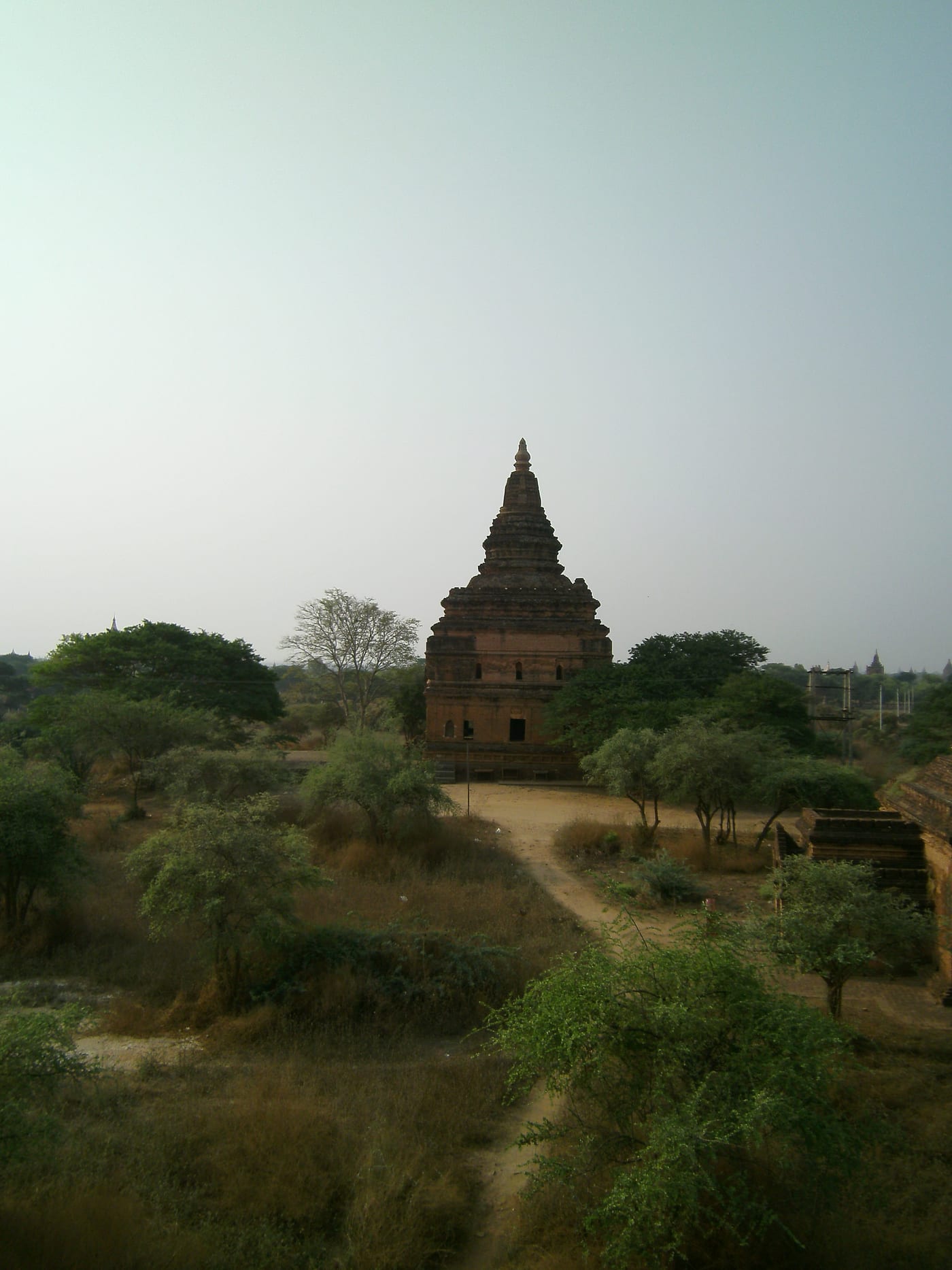
Traces of this history can still be seen at Bagan, where the 11th-century Nat Hlaung Kyaung Temple, dedicated to the Hindu god Vishnu, survives among the predominantly Buddhist monuments.
Myanmar’s Hindu population grew further during the 19th and early 20th centuries as people from different parts of India settled in the country. Over generations, many families established permanent roots, particularly in Yangon and Mandalay.
Faith, festivals and community
Hinduism in Myanmar includes different traditions and communities, with temples dedicated to deities such as Shiva, Vishnu, Krishna, Ganesha and Durga.
Religious festivals bring some of these traditions vividly into public life. Deepavali, the Festival of Lights, is celebrated by Hindu families with prayers, lamps, food and family gatherings. Other temple festivals are marked by colourful decorations, music and offerings.
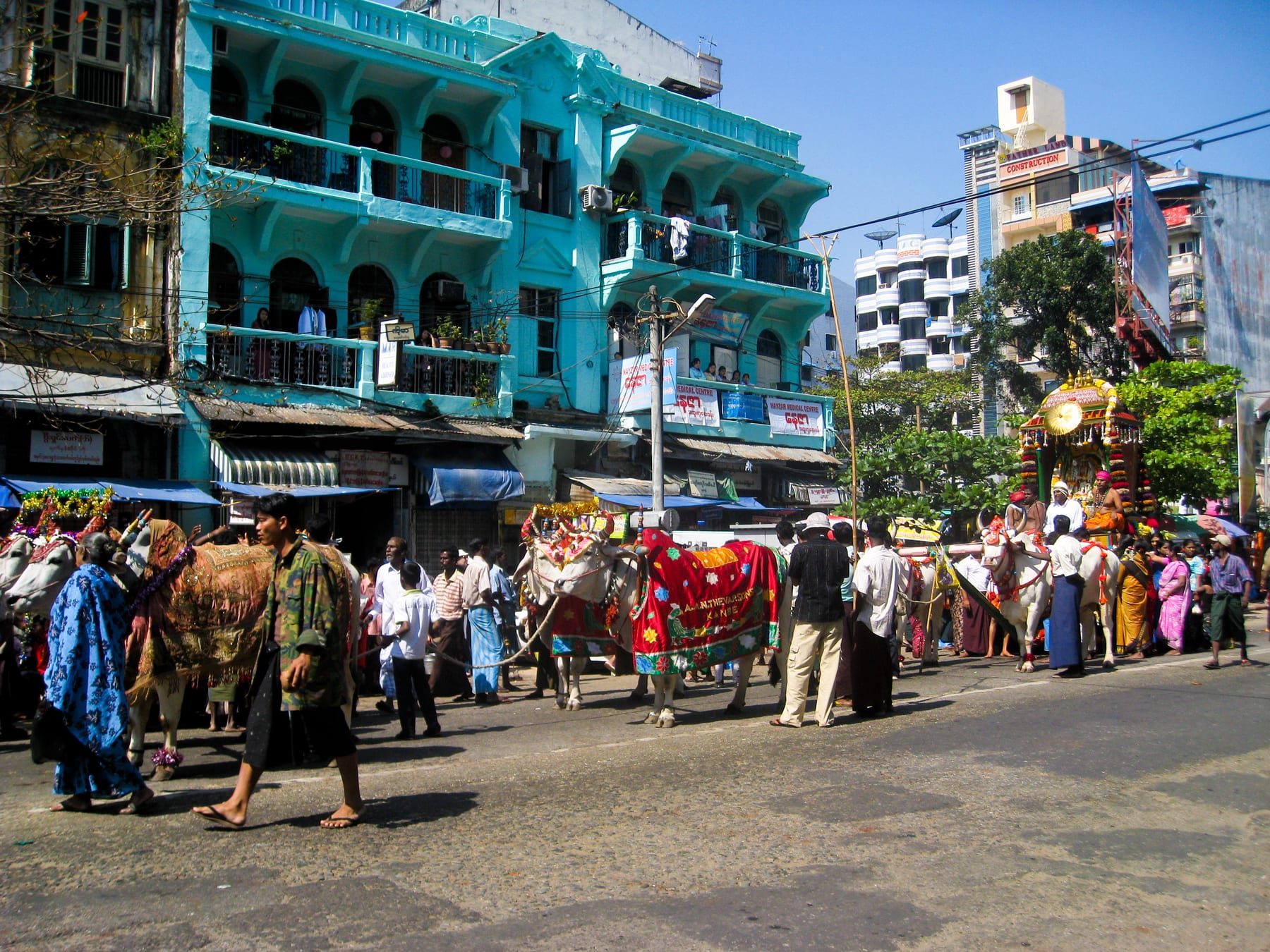
As with Myanmar’s other faith communities, Hindu life is often woven naturally into the wider neighbourhood. Hindu families work, study and live alongside Buddhist, Muslim and Christian neighbours while maintaining their own traditions.
From an ancient Vishnu temple at Bagan to the colourful Hindu temples of downtown Yangon, Hinduism is a small but enduring thread in Myanmar’s diverse tapestry of belief — one that has connected the country with the wider cultures of South and Southeast Asia for centuries.