
Islam in Myanmar: A Faith with Deep Roots
Islam is a minority faith in Myanmar, but its presence in the country stretches back many centuries.
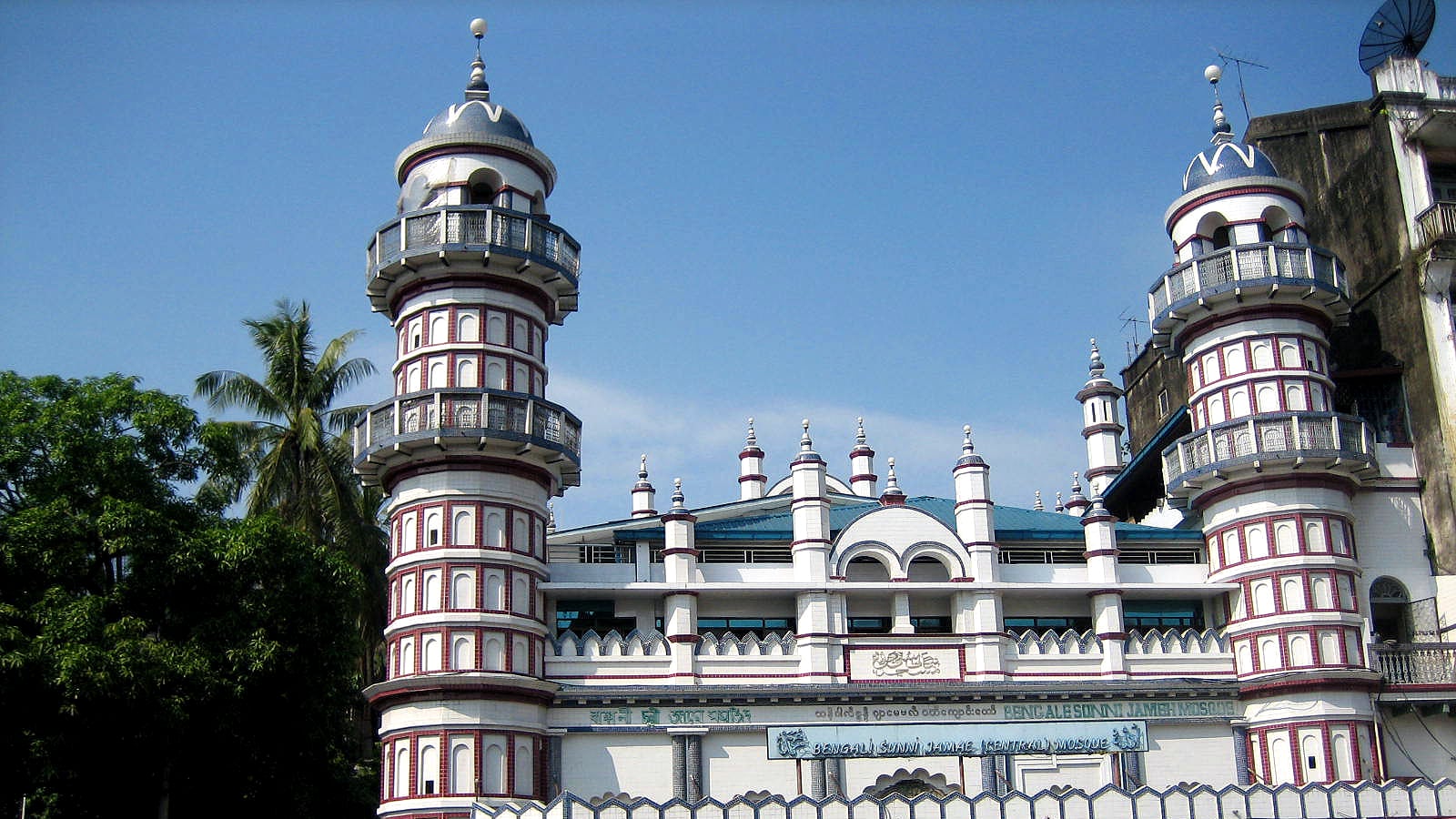
Islam is a minority faith in Myanmar, but its presence in the country stretches back many centuries.
According to the 2014 Census, Muslims made up about 4.3% of the population, with communities established across Yangon, Mandalay, Rakhine and other parts of the country.
A story that began centuries ago
Islam reached the region through ancient maritime trade routes connecting Myanmar with India, Bengal, Persia and the Middle East. Arab and Persian merchants visited ports along the coast, and over time some settled, married locally and established communities.
By the era of Myanmar’s historic kingdoms, Muslims were present as merchants, soldiers, administrators and royal advisers, gradually becoming part of the country’s social and cultural landscape.
Among notable Myanmar Muslims was Saya Gyi U Nu, also known as Mohamed Kassim (1762–1822), a respected scholar and writer who served during the reign of King Bodawpaya.
Another prominent figure was U Razak (Abdul Razak), an educator and politician who served as Minister of Education and National Planning alongside General Aung San. He was assassinated with Aung San and other cabinet members on 19 July 1947, now commemorated as Martyrs’ Day.
Faith in everyday life
Myanmar’s religious history has not always been peaceful, and Muslim communities have experienced periods of discrimination and communal tension. Yet these difficult chapters do not tell the whole story of everyday life.
In many communities, Muslim and Buddhist neighbours have lived alongside one another for generations — sharing streets, schools and markets, exchanging food, running businesses and helping one another through ordinary moments of life.
Differences in belief do not always mean distance between people. For many, peaceful coexistence comes through something much simpler: respecting a neighbour’s faith, forgiving differences, caring for one another and allowing each other to live with dignity.
Mosques, pagodas, churches and Hindu temples can sometimes be found only streets apart — different places of worship within communities that ultimately call the same country home.